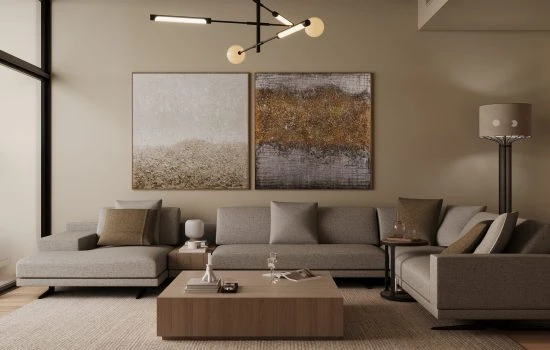

When it comes to villa design in Dubai, lighting plays a crucial role in transforming spaces, creating moods, and highlighting architectural features. The right lighting can elevate the elegance of any villa, making it a harmonious blend of functionality and aesthetics. From enhancing the visual appeal to setting the ambiance, lighting is a powerful tool that every homeowner should leverage to make their interiors shine.
In this article, we’ll explore how different lighting techniques can transform your villa interiors and provide practical tips to make the most of your lighting setup.
Why Lighting Matters in Villa Interiors
Lighting is more than just a source of illumination; it is an essential design element that can:
- Enhance Aesthetic Appeal: Proper lighting highlights textures, colors, and patterns, bringing out the best in your interior design.
- Define Spaces: By using varied lighting techniques, you can delineate different areas within open-plan spaces, such as living rooms, dining areas, and foyers.
- Set the Mood: Lighting influences the atmosphere of a room, from warm and cozy to bright and vibrant.
- Showcase Architectural Features: Strategic lighting draws attention to unique elements like high ceilings, archways, or intricate wall designs.
Types of Lighting and Their Uses
Understanding the types of lighting is the first step toward creating a well-lit villa interior:
1. Ambient Lighting
Ambient lighting is the primary source of illumination that ensures overall visibility. It creates a uniform level of light and serves as the foundation for other lighting layers.
- Best For: General illumination in living rooms, bedrooms, and dining areas.
- Tips: Use chandeliers, ceiling-mounted fixtures, or recessed lights to achieve soft, even lighting.
2. Task Lighting
Task lighting provides focused light for specific activities like reading, cooking, or working. It’s designed to reduce eye strain and improve functionality.
- Best For: Kitchens, study rooms, and dressing areas.
- Tips: Use pendant lights, under-cabinet lighting, or adjustable desk lamps for targeted illumination.
3. Accent Lighting
Accent lighting adds drama and highlights specific features, such as artwork, sculptures, or architectural details. It’s a great way to create visual interest and depth in a room.
- Best For: Focal points in living rooms, hallways, and staircases.
- Tips: Wall sconces, track lighting, and spotlights work best for accent lighting.
4. Decorative Lighting
Decorative lighting is more about style than function. It acts as a statement piece, adding character and charm to a room.
- Best For: Entryways, living rooms, and dining areas.
- Tips: Opt for bold fixtures like artistic pendant lights or intricate floor lamps.
Tips for Using Lighting to Transform Villa Interiors
1. Layer Your Lighting
A well-designed villa interior incorporates multiple layers of lighting. Combining ambient, task, and accent lighting creates depth and versatility in any space. This approach allows you to adjust the lighting to suit different moods and functions.
2. Highlight Architectural Features
Architectural elements like coffered ceilings, alcoves, and columns can be elevated with proper lighting. Use strip lights or recessed fixtures to accentuate these features subtly yet effectively.
3. Choose the Right Bulbs
The type of bulb you choose significantly impacts the ambiance of a room:
- Warm White (2700K-3000K): Perfect for creating a cozy and inviting atmosphere.
- Cool White (3500K-4100K): Ideal for task-oriented spaces like kitchens and offices.
- Daylight (5000K-6500K): Best for areas requiring high visibility, such as bathrooms.
4. Use Dimmer Switches
Dimmer switches allow you to control the intensity of light, making it easy to switch between bright illumination and soft, ambient lighting. This feature is especially useful in bedrooms and dining areas.
5. Incorporate Natural Light
Maximizing natural light not only reduces energy consumption but also enhances the overall ambiance of your villa. Large windows, skylights, and reflective surfaces can amplify the effect of natural light during the day.
6. Play with Shadows
Lighting isn’t just about illumination; it’s also about creating contrast. Position lights to cast soft shadows that add depth and intrigue to your interiors.
7. Use Statement Fixtures
Bold lighting fixtures can serve as focal points in a room. Whether it’s a sculptural chandelier or an oversized floor lamp, these pieces can make a dramatic impact.
Room-by-Room Lighting Guide
Living Room
- Use layered lighting to create a cozy and inviting space.
- Add a mix of overhead lights, floor lamps, and table lamps for flexibility.
- Highlight artwork or shelves with track lighting or spotlights.
Kitchen
- Combine bright overhead lights with under-cabinet task lighting for functionality.
- Pendant lights above the island add style and focused illumination.
Bedroom
- Opt for warm, soft lighting to promote relaxation.
- Use bedside table lamps or wall-mounted fixtures for reading.
- Consider cove lighting for a luxurious touch.
Bathroom
- Use bright, even lighting around mirrors for grooming tasks.
- Incorporate dimmable lights to create a spa-like atmosphere.
Outdoor Spaces
- Highlight pathways, gardens, and patios with landscape lighting.
- Use wall sconces or hanging lights to enhance the villa’s façade.
Final Thoughts
Lighting is a transformative element in villa design in Dubai, capable of turning ordinary spaces into extraordinary ones. By understanding the types of lighting and how to use them effectively, you can create interiors that are not only functional but also visually stunning.
Whether you’re designing a modern villa or a more traditional space, incorporating thoughtful lighting techniques can make all the difference. Take the time to plan your lighting design carefully, and watch as your villa comes to life in ways you never imagined.










Sign in to leave a comment.