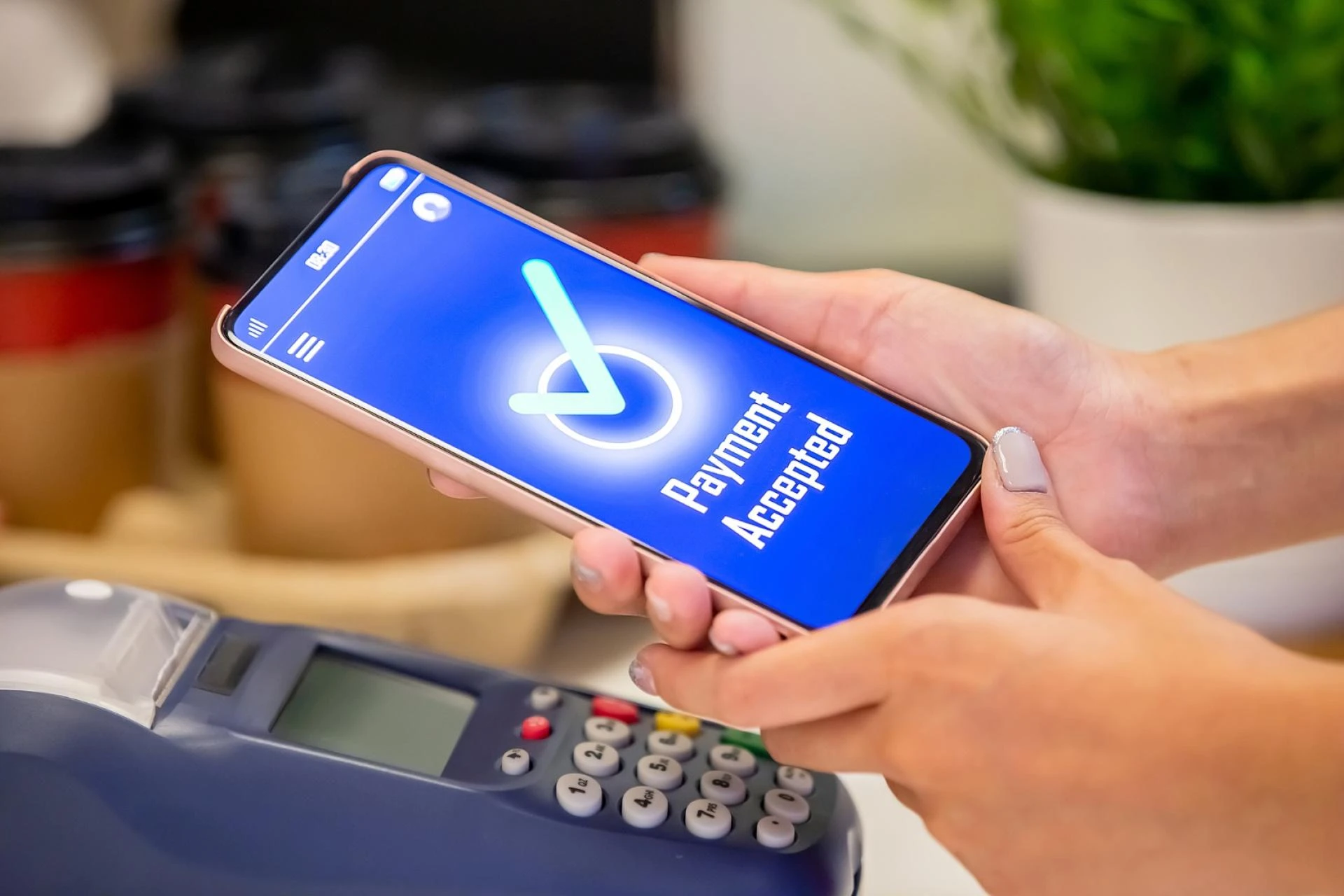

Mobile payment solutions have revolutionized the way businesses operate, offering unparalleled convenience and efficiency. As technology continues to evolve, the adoption of mobile payments has become increasingly essential for modern businesses. This article delves into the transformative impact of mobile payment solutions, exploring their benefits, challenges, and the future of business transactions.
The Rise of Mobile Payment Solutions
A Historical Overview
The journey of mobile payment solutions began with the advent of mobile phones and the internet. Initially, payments were made through SMS and WAP (Wireless Application Protocol). However, the real breakthrough came with the introduction of smartphones and the development of mobile payment apps. Today, mobile payment solutions encompass various technologies, including Near Field Communication (NFC), QR codes, and mobile wallets.
Current Trends in Mobile Payments
In recent years, there has been a significant surge in the use of mobile payment solutions. According to a report by Statista, the global mobile payment transaction volume is expected to reach $4.57 trillion by 2024. This growth is driven by increasing smartphone penetration, improved internet connectivity, and the rise of e-commerce.
Benefits of Mobile Payment Solutions for Businesses
Enhanced Customer Experience
Mobile payment solutions offer a seamless and convenient shopping experience for customers. By enabling quick and easy transactions, businesses can reduce wait times and improve customer satisfaction. Features like one-click payments and digital receipts further enhance the shopping experience.
Increased Sales and Revenue
The convenience of mobile payments can lead to higher sales and revenue. Customers are more likely to complete a purchase if the payment process is quick and hassle-free. Additionally, mobile payment solutions often come with integrated loyalty programs and personalized offers, encouraging repeat purchases.
Cost-Effectiveness
Mobile payment solutions can help businesses save on operational costs. Traditional payment methods, such as cash and card payments, often involve higher transaction fees and require physical infrastructure like point-of-sale (POS) terminals. In contrast, mobile payments typically have lower transaction fees and eliminate the need for physical hardware.
Improved Security
Security is a critical concern for both businesses and customers. Mobile payment solutions employ advanced security measures, such as tokenization and encryption, to protect sensitive data. Additionally, biometric authentication, such as fingerprint or facial recognition, adds an extra layer of security, reducing the risk of fraud.
Types of Mobile Payment Solutions
Mobile Wallets
Mobile wallets, such as Apple Pay, Google Wallet, and Samsung Pay, allow users to store their payment information securely on their smartphones. These wallets can be used for in-store purchases, online transactions, and even peer-to-peer payments.
QR Code Payments
QR code payments are popular in regions like Asia. Users scan a QR code displayed by the merchant using their smartphone to complete a transaction. This method is simple and quick, making it ideal for small businesses and street vendors.
NFC Payments
Near Field Communication (NFC) technology enables contactless payments. Users simply tap their smartphone or NFC-enabled device on a compatible POS terminal to complete the transaction. This method is widely used in retail stores, restaurants, and public transportation.
Virtual Terminals
Virtual terminals are online payment solutions that allow businesses to accept payments without a physical card reader. This is particularly useful for businesses that operate remotely or without a fixed location. By entering payment details into a secure online portal, transactions can be processed quickly and efficiently.
Challenges and Considerations
Security Concerns
Despite the advanced security features of mobile payment solutions, concerns about data breaches and fraud persist. Businesses must ensure they comply with industry standards and regularly update their security protocols to protect sensitive information.
Integration with Existing Systems
Integrating mobile payment solutions with existing business systems can be challenging. Businesses need to ensure compatibility with their accounting, inventory, and customer relationship management (CRM) systems. This may require significant investment in terms of time and resources.
Customer Adoption
While mobile payment solutions are gaining popularity, not all customers are comfortable with the technology. Businesses need to educate their customers about the benefits and ease of use of mobile payments. Offering incentives, such as discounts or rewards, can also encourage adoption.
The Future of Mobile Payment Solutions
Innovations on the Horizon
The future of mobile payment solutions looks promising, with several innovations on the horizon. Technologies like blockchain, artificial intelligence (AI), and the Internet of Things (IoT) are expected to further enhance the capabilities of mobile payments. For instance, blockchain can provide increased transparency and security, while AI can enable personalized payment experiences.
Impact on Various Industries
Mobile payment solutions are set to transform various industries. In retail, they can facilitate a seamless omnichannel experience, integrating online and offline sales channels. In the hospitality industry, mobile payments can streamline check-in and check-out processes. Additionally, sectors like healthcare and education can benefit from the convenience and efficiency of mobile payments.
Case Studies: Success Stories of Mobile Payment Adoption
Starbucks: A Pioneer in Mobile Payments
Starbucks is a prime example of successful mobile payment adoption. The Starbucks app allows customers to order and pay ahead, earning rewards with each purchase. This not only enhances customer experience but also drives customer loyalty. As of 2021, mobile payments accounted for over 25% of Starbucks\' total transactions.
Uber: Revolutionizing Transportation Payments
Uber revolutionized the transportation industry with its integrated mobile payment system. By linking payment methods to user accounts, Uber ensures a cashless and seamless experience for riders and drivers alike. This has significantly contributed to Uber\'s global success.
Walmart: Embracing Mobile Wallets
Walmart has embraced mobile wallets to enhance the shopping experience. The Walmart Pay app allows customers to make payments using their smartphones, eliminating the need for physical cash or cards. This has streamlined the checkout process and reduced wait times in stores.
Implementing Mobile Payment Solutions in Your Business
Assessing Your Business Needs
Before implementing a mobile payment solution, it is crucial to assess your business needs. Consider factors such as transaction volume, customer preferences, and budget. This will help you choose the most suitable payment solution for your business.
Choosing the Right Provider
Selecting the right mobile payment provider is essential for a smooth implementation. Evaluate providers based on factors like transaction fees, security features, and customer support. It is also important to consider the provider\'s reputation and track record.
Training Your Staff
Proper staff training is vital for the successful adoption of mobile payment solutions. Ensure your employees are familiar with the technology and can assist customers with any queries. Regular training sessions and updates can help keep your staff up-to-date with the latest features and security protocols.
Promoting Mobile Payments to Your Customers
To encourage customer adoption, promote your mobile payment options through various channels. Use social media, email marketing, and in-store signage to inform customers about the benefits of mobile payments. Offering incentives, such as discounts or loyalty rewards, can further boost adoption.
Conclusion
Mobile payment solutions have undeniably transformed the landscape of modern business transactions. They offer numerous benefits, including enhanced customer experience, increased sales, cost-effectiveness, and improved security. Despite challenges such as security concerns and integration issues, the future of mobile payments looks promising, with ongoing innovations set to further revolutionize the industry.
Businesses that embrace mobile payment solutions can stay ahead of the competition, providing their customers with a seamless and convenient payment experience. By assessing their needs, choosing the right provider, and promoting mobile payments to their customers, businesses can successfully implement this technology and reap its benefits.
For businesses seeking expert advice and reliable mobile payment solutions, The Payment HQ offers a range of services tailored to meet your needs.
FAQs
1. What are mobile payment solutions?
Mobile payment solutions are technologies that enable users to make financial transactions using their smartphones or other mobile devices. These solutions include mobile wallets, QR code payments, NFC payments, and virtual terminals.
2. How do mobile payment solutions benefit businesses?
Mobile payment solutions benefit businesses by enhancing customer experience, increasing sales and revenue, reducing operational costs, and improving security. They offer a quick and convenient payment method, which can lead to higher customer satisfaction and loyalty.
3. Are mobile payment solutions secure?
Yes, mobile payment solutions employ advanced security measures such as tokenization, encryption, and biometric authentication to protect sensitive data. However, businesses must ensure they comply with industry standards and regularly update their security protocols to mitigate potential risks.
4. How can businesses encourage customers to use mobile payments?
Businesses can encourage customers to use mobile payments by promoting the benefits and ease of use through various channels, such as social media, email marketing, and in-store signage. Offering incentives, such as discounts or loyalty rewards, can also boost adoption.
5. What is a virtual terminal?
A virtual terminal is an online payment solution that allows businesses to accept payments without a physical card reader. Businesses can enter payment details into a secure online portal to process transactions, making it particularly useful for remote or mobile operations.







Sign in to leave a comment.