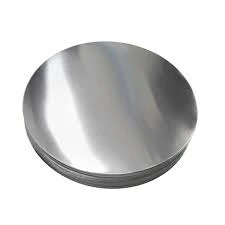

The surface finish of Stainless Steel 201 Plates, also known as SS 201 plates, plays a crucial role in their performance in various applications. The surface finish is determined by polishing, which involves grinding and buffing the surface of the plate to achieve the desired level of smoothness and shine.
One key factor affecting the performance of 201 BA stainless steel plates is corrosion resistance. Corrosion occurs when the surface of the plate comes into contact with a corrosive substance, such as water, salt, or acid. It can have a significant impact on its resistance to corrosion.
A smooth surface finish can reduce the plate's surface area exposed to the corrosive substance, which can help reduce the corrosion rate. In addition, a smooth surface finish can make it easier to clean the plate and remove any contaminants that could cause corrosion.
On the other hand, a rough or uneven surface finish can increase the plate's surface area exposed to the corrosive substance, which can accelerate the corrosion rate. A rough surface can also make it more difficult to clean the plate, leading to the buildup of contaminants that could cause corrosion.
Another factor that can be affected by the surface finish of 201 BA stainless steel plates is their appearance. A smooth, polished surface finish can give the plate a bright, shiny appearance, which can be desirable for certain applications, such as decorative or architectural uses. In contrast, a rough or uneven surface finish can give the plate a dull or matte appearance, which may need to be more visually appealing.
In addition to its impact on corrosion resistance and appearance, the surface finish of 201 BA stainless steel plates can also affect their durability and longevity. A smooth surface finish can reduce wear and tear on the plate, which can help to extend its lifespan. In contrast, a rough or uneven surface finish can create stress points on the plate, increasing the risk of cracking or other types of damage.
To ensure optimal performance and longevity of 201 BA stainless steel plates, it is important to carefully consider the surface finish during the manufacturing and installation process. In addition, proper maintenance and cleaning can help to preserve the surface finish and extend the lifespan of the plates.
When selecting the appropriate surface finish for 201 BA stainless steel plates, it is important to consider the specific application and environmental conditions. For example, if the plates are exposed to high moisture levels or corrosive substances, a smoother surface finish may be more appropriate to reduce the risk of corrosion.
Different surface finish levels are available for stainless steel plates, determined by the Ra (roughness average) value. The Ra value measures the average distance between the peaks and valleys on the surface of the plate, with lower values indicating a smoother surface finish.
For 201 BA stainless steel plates, a surface finish with a Ra value of around 0.5 micrometers is typically considered a good balance between appearance, corrosion resistance, and durability. However, the specific Ra value will depend on the application and the project's requirements.
The Polishing Process:
It is also important to consider the process of polishing when selecting the surface finish for 201 BA stainless steel plates. The polishing process can be achieved through mechanical or chemical means, and different methods can produce different surface finishes with varying Ra values.
Regular Maintenance to Preserve Performance and Appearance:
In addition to selecting the appropriate surface finish, it is important to properly clean and maintain 201 BA stainless steel plates to preserve their performance and appearance. Regular cleaning with mild detergents and avoiding harsh abrasives can help to prevent damage to the surface finish and reduce the risk of corrosion.
In summary, the surface finish of 201 BA stainless steel plates can significantly impact their performance, durability, and appearance. By carefully selecting and maintaining the surface finish, optimizing these plates' corrosion resistance, durability, and longevity is possible, making them valuable assets in a wide range of applications.









Sign in to leave a comment.