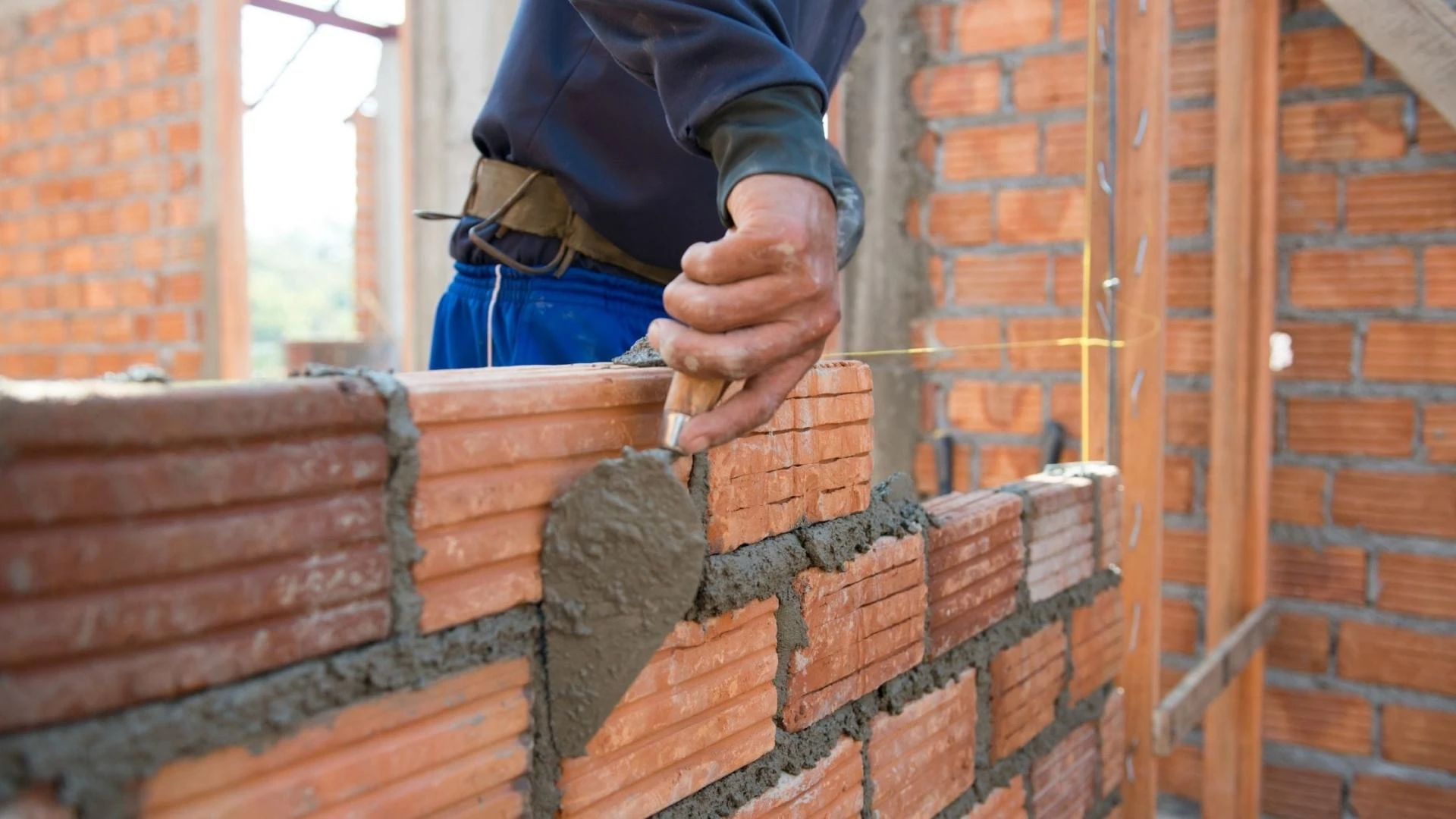

Accurate estimating in masonry construction is a critical component for the success of any project. It forms the foundation for budgeting, resource allocation, and project timelines, ensuring that the project is completed efficiently, within scope, and on budget. Whether you are building a residential home, commercial building, or large infrastructure project, the role of accurate estimating cannot be overstated.
In this article, we will explore why accurate estimating is essential in masonry construction projects, the challenges faced during the estimating process, and best practices that can help improve accuracy in project estimates.
What is Estimating in Masonry Construction?
Estimating in masonry construction refers to the process of calculating the materials, labor, time, and costs associated with completing a project. The estimator takes into account the scope of the project, the design plans, specifications, and various other factors to predict the costs involved in delivering the completed work.
In masonry construction, estimating typically includes:
- Material Quantities: Calculating the amount of bricks, stones, concrete, mortar, reinforcement, and other materials required for the project.
- Labor Costs: Estimating the number of workers needed, their hourly rates, and the time required to complete various tasks.
- Equipment and Tool Costs: Factoring in the costs of machinery, tools, and scaffolding.
- Time Estimates: Determining the duration of each phase of the masonry work, such as foundation laying, wall construction, and finishing.
A well-prepared estimate provides a clear picture of the project's financial and logistical requirements, which serves as a roadmap for the entire construction process.
Why Accurate Estimating is Crucial in Masonry Projects
1. Budget Control
Accurate estimating is essential for maintaining control over the project budget. Construction projects are notorious for cost overruns, and inaccurate estimates are one of the leading causes of these issues. If an estimator underestimates the materials required or misjudges the time needed to complete certain tasks, the project can quickly become more expensive than originally anticipated. On the other hand, overestimating costs can result in unnecessarily high bids, making a project less competitive and potentially losing clients or business.
By having an accurate estimate from the beginning, project stakeholders can allocate resources efficiently, avoid financial strain, and ensure that the project stays on track financially. An accurate estimate helps both the contractor and the client make informed decisions on the project.
2. Resource Planning and Allocation
Accurate estimating allows for proper planning and allocation of resources. This includes not only material quantities but also human resources and machinery. For example, in masonry, the amount of cement, mortar, and bricks can vary based on the type of structure being built, so having an accurate estimate helps avoid wastage, shortages, and delays.
Planning also includes scheduling labor. Having the right number of skilled laborers available at the right time ensures smooth progress, reducing the risk of idle workers or excessive overtime. Resource allocation is particularly important when working with multiple subcontractors, as delays from one team can affect the entire construction process.
3. Time Management
In construction, time is money. Accurate estimating helps project managers create realistic timelines for the completion of each phase of the project. When estimates are inaccurate, it can lead to underestimating the time required for certain tasks, which can result in project delays.
For example, masonry work often requires curing times for materials like concrete, which can affect the overall schedule. If these delays are not accounted for in the estimate, the construction team might be forced to cut corners to meet deadlines, potentially compromising the quality of the work.
With accurate time estimates, project managers can set realistic milestones and deadlines for masonry work, ensuring that each phase is completed on time and within budget.
4. Risk Mitigation
Masonry construction projects carry inherent risks, such as unexpected weather conditions, material shortages, or unforeseen site conditions. Accurate estimating helps mitigate these risks by building in contingencies and providing a safety buffer for unexpected costs.
For instance, by overestimating material quantities slightly, contractors can ensure that they have enough supplies on hand to handle any unforeseen shortages or fluctuations in material prices. Additionally, understanding the scope of work in detail allows for better preparation to handle any unexpected obstacles during the project.
5. Client Confidence and Trust
For masonry contractors, accurate estimating can be a competitive advantage. Clients are more likely to trust contractors who provide detailed and well-supported estimates. Accurate estimates reflect professionalism and a clear understanding of the project requirements.
A transparent estimate gives clients the confidence that the contractor has a clear plan for completing the project on time and within budget. It also helps to build trust, as clients feel assured that there will be no hidden costs or unexpected delays.
Challenges in Accurate Estimating
Estimating masonry projects comes with its set of challenges. Here are some common obstacles that estimators face:
1. Complex Project Scope
The scope of masonry projects can vary greatly depending on the size, complexity, and location. For instance, a custom stonework project will require more detailed estimates than a standard brick wall. Variations in designs, building materials, and structural elements can all impact the accuracy of the estimate.
2. Material Variability
The cost of materials such as bricks, stones, or cement can fluctuate based on market conditions, availability, and the type of material chosen. Estimators must stay informed about the current prices to ensure that the estimates remain accurate throughout the project lifecycle.
3. Labor Variability
Labor costs can be challenging to estimate accurately because they depend on local wage rates, availability of skilled labor, and potential overtime requirements. Furthermore, the level of expertise needed for certain masonry tasks can influence the labor cost, with highly skilled masons demanding higher rates.
4. Unforeseen Site Conditions
Masonry work often involves working with existing structures or foundations, which may present unforeseen challenges such as hidden damage or unexpected conditions. Without a thorough site assessment, estimators may miss factors that could impact costs, such as the need for additional repairs or materials.
Best Practices for Accurate Estimating in Masonry
To ensure accuracy in masonry project estimates, consider the following best practices:
1. Detailed Project Assessment
Before making any estimates, conduct a thorough assessment of the project. Review the architectural drawings, specifications, and any other relevant documents. Inspect the site to identify potential issues and gain a better understanding of the project’s scope.
2. Use Estimating Software
Modern estimating software can streamline the process, help calculate quantities accurately, and provide real-time updates on material costs. These tools are equipped with databases that contain material prices and labor rates, which can significantly improve the accuracy of the estimate.
3. Factor in Contingencies
Include a contingency allowance in your estimate to account for unforeseen costs and delays. A good rule of thumb is to add 5% to 10% to the overall estimate to cover potential risks.
4. Break Down the Estimate
Rather than providing a lump-sum estimate, break down the costs into categories like materials, labor, equipment, and overhead. This will give a clearer picture of the financial requirements and allow for easier adjustments if needed.
5. Review and Double-Check
Before finalizing the estimate, review it for any discrepancies or overlooked costs. A fresh pair of eyes can catch mistakes that might have been missed.
Conclusion
Accurate masonry estimating services in construction is more than just a financial tool; it is a critical part of ensuring that projects are completed successfully. By providing clarity on costs, timeframes, and resource requirements, accurate estimating helps mitigate risks, control budgets, and enhance client trust. As such, it is vital for contractors and estimators to stay informed, use reliable tools, and practice thorough assessments to ensure the success of every masonry construction project.










Sign in to leave a comment.