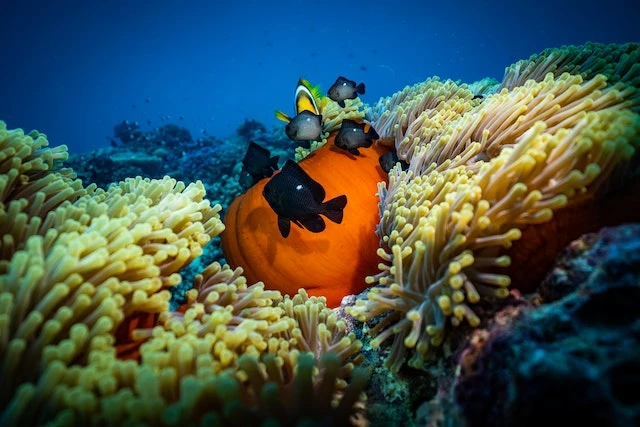

Biodiversity, often referred to as the variety of life on Earth, encompasses an incredible array of species, ecosystems, and genetic variations that coexist and interact to form the intricate web of life. Biodiversity conservation and the protection of wildlife are not just moral imperatives but critical necessities for maintaining the health and functionality of ecosystems. In this article, we will delve into the significance of biodiversity conservation and wildlife protection for ecosystem health and explore the far-reaching consequences of their decline.
Ecosystem Stability
Biodiverse ecosystems are inherently more stable and resilient in the face of various disturbances. A greater variety of species means that ecosystems can better absorb shocks, such as disease outbreaks, climatic fluctuations, or invasive species introductions. When one species is adversely affected, others can step in to perform similar functions, preventing the collapse of the entire system. Protecting wildlife plays a key role in preserving this stability.
Nutrient Cycling
Different species play distinct roles in nutrient cycling within ecosystems. For instance, decomposers break down organic matter into nutrients that plants can use for growth. If certain species disappear due to lack of protection, nutrient cycling can be disrupted, leading to imbalances in the availability of essential nutrients for plant growth. This can result in decreased productivity and overall health of the ecosystem.
Pollination and Reproduction
Biodiversity and wildlife protection are vital for pollination, a process crucial for the reproduction of many plant species. Pollinators like bees, butterflies, and birds transfer pollen between flowers, enabling the production of fruits and seeds. Without adequate pollination facilitated by protected wildlife, the reproductive capacity of plants diminishes, leading to reduced food sources for animals and humans alike.
Pest Regulation
Natural predators help control populations of pests and herbivores. In diverse ecosystems with well-protected wildlife, predators keep these populations in check, preventing overgrazing and damage to plants. Loss of predator species due to lack of protection can result in unchecked growth of pests, leading to reduced agricultural yields and disruption of ecosystem dynamics.
Erosion Control
Plant diversity, often supported by wildlife protection, plays a critical role in preventing soil erosion. Different plant species have varying root structures that help bind the soil and prevent it from being washed away by rainfall. In areas with reduced biodiversity and wildlife protection, soil erosion becomes more common, leading to the loss of fertile topsoil and degradation of land.
Medicinal Resources
Biodiverse ecosystems, including the wildlife they host, serve as a treasure trove of potential medicinal resources. Many plant and animal species contain compounds that have the potential to treat various diseases. The loss of these species due to lack of wildlife protection could mean missed opportunities for discovering life-saving drugs and treatments.
Cultural and Aesthetic Value
Biodiversity and wildlife hold immense cultural and aesthetic value. Many cultures around the world have deep connections with certain species or landscapes, and these connections contribute to the richness of human life. Additionally, diverse and thriving ecosystems, supported by wildlife protection efforts, provide recreational and aesthetic benefits, promoting mental well-being.
Climate Regulation
Forests, wetlands, and oceans, often home to diverse wildlife populations, are significant carbon sinks, helping to regulate the Earth's climate by absorbing and storing carbon dioxide. Biodiverse ecosystems with well-protected wildlife tend to be more effective at sequestering carbon, making their preservation crucial for mitigating the impacts of climate change.
Genetic Diversity
Biodiversity, including the genetic diversity within species protected by wildlife conservation efforts, allows species to adapt to changing environmental conditions over time. Loss of genetic diversity can reduce a species' ability to evolve and survive in the face of evolving challenges.
Conclusion
The conservation of biodiversity and the protection of wildlife are not only essential for the well-being of individual species but also for the overall health of ecosystems and the planet as a whole. The interconnectedness of species, ecosystems, and the services they provide create a delicate balance that must be preserved to ensure a sustainable future. By prioritizing the protection of wildlife and biodiversity, we can work toward effective conservation strategies that safeguard the health of our ecosystems and the prosperity of both natural environments and human societies.






Sign in to leave a comment.