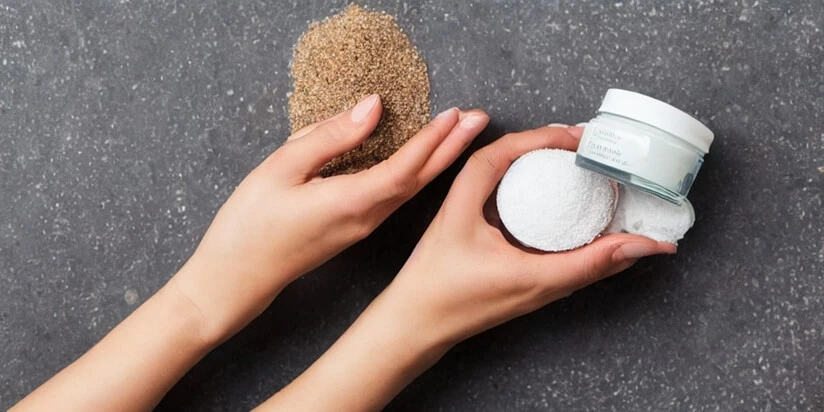

Exfoliation is a crucial step in any skincare routine, yet it is often overlooked or undervalued. Exfoliation is the process of removing dead skin cells from the surface of the skin. There are two types of exfoliants, physical and chemical. Physical exfoliants include scrubs and brushes, while chemical exfoliants include acids and enzymes. The importance of exfoliation lies in its ability to improve skin texture and tone, unclog pores, stimulate collagen production, enhance product absorption, and promote an even skin tone. It's important to note that not all exfoliants are created equal and it's best to consult a skincare professional or a dermatologist to find out which type of exfoliant is best for your skin type.
Removes Dead Skin Cells
Exfoliation is essential for removing dead skin cells from the surface of the skin. According to the American Academy of Dermatology, the average person's skin cells take about 28 days to fully mature and shed. When these dead skin cells build up, they can make the skin look dull, dry, and flaky. Exfoliating regularly helps to remove these dead skin cells, revealing the healthy, radiant skin underneath. This results in improved skin texture and tone, making the skin look brighter, smoother, and more youthful. Physical exfoliants, such as scrubs, work by physically removing dead skin cells through gentle abrasion while chemical exfoliants, such as alpha-hydroxy acids (AHAs) and beta-hydroxy acids (BHAs) works by dissolving the glue-like substance that holds dead skin cells together.
Unclogs Pores and Reduces Acne
Exfoliation can also help to unclog pores, which can be especially beneficial for people with oily or acne-prone skin. According to a study published in the Journal of Clinical and Aesthetic Dermatology, people with acne have a higher concentration of dead skin cells in their pores than people with clear skin. By exfoliating regularly, you can help to remove these dead skin cells and unclog pores, which can reduce the risk of developing new pimples and blackheads. Chemical exfoliants, such as salicylic acid, are particularly effective at unclogging pores as they can penetrate deep into the pores to remove impurities and excess sebum. Regular exfoliation can also reduce the appearance of pores, making them less noticeable.
Stimulates Collagen Production and Anti-Aging
Exfoliation can also stimulate collagen production in the skin. Collagen is a protein that gives the skin its elasticity and firmness. As we age, collagen production decreases, leading to wrinkles and fine lines. According to a study published in the Journal of Dermatological Science, glycolic acid, a popular chemical exfoliant, can stimulate collagen production in the skin by up to 68%. By exfoliating regularly, you can help to boost collagen production, resulting in improved skin elasticity and firmness. It's important to note that over-exfoliation can cause irritation and dryness, leading to a decrease in collagen production. So, it's best to exfoliate in moderation and to use products that are formulated for your skin type.
Promotes an Even Skin Tone and Reduces Dark Spots
Exfoliation also enhances the absorption of skincare products. According to a study published in the International Journal of Cosmetic Science, exfoliating before applying skincare products can increase the penetration of those products by up to 909%. This means that your skincare products will be more effective when applied to exfoliated skin. When the dead skin cells are removed, the active ingredients in your skincare products can penetrate deeper into the skin, resulting in better results. This is particularly important for products such as serums and moisturizers, which can provide deeper hydration and nourishment to the skin.
Brightens and Improves Complexion
Exfoliation can also promote an even skin tone by removing dark spots and hyperpigmentation. According to a study published in the Journal of the American Academy of Dermatology, chemical exfoliants, such as hydroquinone and kojic acid, can be effective in reducing the appearance of dark spots and hyperpigmentation. Exfoliating regularly can also help to prevent new dark spots from forming by preventing the build-up of dead skin cells.
Conclusion
In conclusion, exfoliation is a crucial step in any skincare routine. It removes dead skin cells, unclogs pores, stimulates collagen production, enhances product absorption, and promotes an even skin tone. It's important to consult a skincare professional or a dermatologist to find out which type of exfoliant is best for your skin type. Remember to exfoliate in moderation, as over-exfoliation can cause irritation and dryness. Incorporating exfoliation into your skincare routine can lead to healthier, clearer, and more youthful-looking skin.




















Sign in to leave a comment.