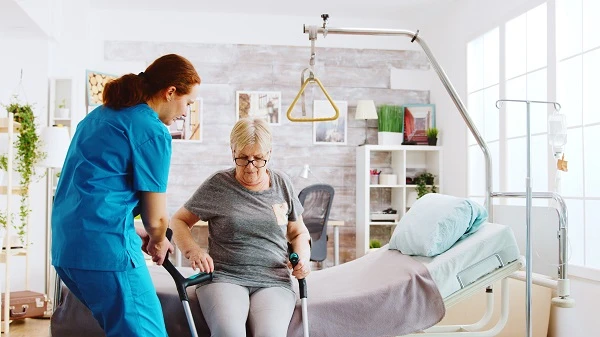

As individuals age, their healthcare needs and daily living requirements often change. Many seniors prefer to maintain their independence and stay in the comfort of their own homes rather than transitioning to assisted living facilities or nursing homes. In-home senior care plays a crucial role in meeting the unique needs of older adults, ensuring their well-being, and enhancing their overall quality of life.
This article explores the significance of in-home senior care and how it positively impacts the lives of seniors and their families.
Independence And Familiarity
One of the key advantages of in-home senior care is the preservation of independence and familiarity. Seniors can continue to live in the place they call home, surrounded by their cherished memories, personal belongings, and the community they are familiar with. By receiving care at home, older adults can maintain a sense of control over their lives and make decisions about their daily routines, activities, and preferences.
Personalised Care
In-home senior care offers personalised care plans tailored to the unique needs of each individual. Caregivers work closely with seniors and their families to develop a comprehensive care plan that addresses physical, emotional, and social well-being. This personalised approach ensures that seniors receive the specific assistance and support they require, whether it's help with daily activities, medication management, mobility assistance, or companionship.
Safety And Fall Prevention
Safety is a primary concern for seniors living at home. In-home senior care focuses on creating a safe environment to prevent accidents and falls. Caregivers assess the home for potential hazards, install safety equipment like grab bars and non-slip mats, and offer guidance on proper mobility and fall prevention techniques. By minimising risks, in-home care promotes a secure living space, reducing the chances of injuries and hospitalizations.
Companionship And Emotional Support
Loneliness and social isolation can have detrimental effects on a senior's mental and emotional well-being. In-home senior caregivers not only provide essential assistance but also offer companionship and emotional support. They engage in meaningful conversations, participate in activities, accompany seniors to appointments or outings, and help foster social connections. This companionship plays a vital role in combating feelings of loneliness, promoting mental stimulation, and enhancing overall happiness.
Medication Management And Health Monitoring
Managing medications can become overwhelming for seniors, especially if they have complex medication regimens. In-home caregivers assist in medication management, ensuring that medications are taken correctly and on time. They also monitor seniors' health conditions, observe any changes in symptoms, and communicate with healthcare professionals. This proactive approach helps prevent medication errors, enhances medication adherence, and contributes to better overall health outcomes.
Nutrition And Meal Support
Proper nutrition is essential for seniors' overall health and well-being. In-home caregivers assist with meal planning, grocery shopping, and meal preparation, taking into account dietary restrictions and preferences. They ensure that seniors receive nutritious meals and sufficient hydration, promoting better physical health and preventing malnutrition. Additionally, caregivers can provide feeding assistance if needed, ensuring that seniors can enjoy their meals comfortably and safely.
Household Management
Daily household tasks can become challenging for seniors due to physical limitations or health conditions. In-home senior care extends support beyond personal care to include light housekeeping, laundry, and organising. By taking care of these tasks, caregivers enable seniors to focus on their well-being, hobbies, and interests. A clean and organised home environment contributes to a sense of peace, comfort, and improved overall quality of life.
Respite For Family Caregivers
In-home senior care not only benefits seniors but also provides much-needed respite for family caregivers. Family members who take on the responsibility of caregiving often experience physical and emotional strain. In-home care allows them to take breaks, tend to their own needs, pursue personal commitments, or simply recharge. Knowing that their loved ones are in capable hands reduces stress and allows for a healthier caregiver-family dynamic.
Conclusion:
In-home senior care plays a pivotal role in enhancing the quality of life for older adults. By providing personalised care, promoting independence, ensuring safety, offering companionship, and managing various aspects of daily life, in-home caregivers in Dallas Tx contribute to the overall well-being and happiness of seniors. The ability to age in place, surrounded by familiar surroundings and loved ones, positively impacts their physical, emotional, and social health. In-home senior care not only supports seniors but also provides peace of mind and respite for their families. Embracing the importance of in-home senior care can lead to a fulfilling and enriched life for older adults in their golden years.











Sign in to leave a comment.