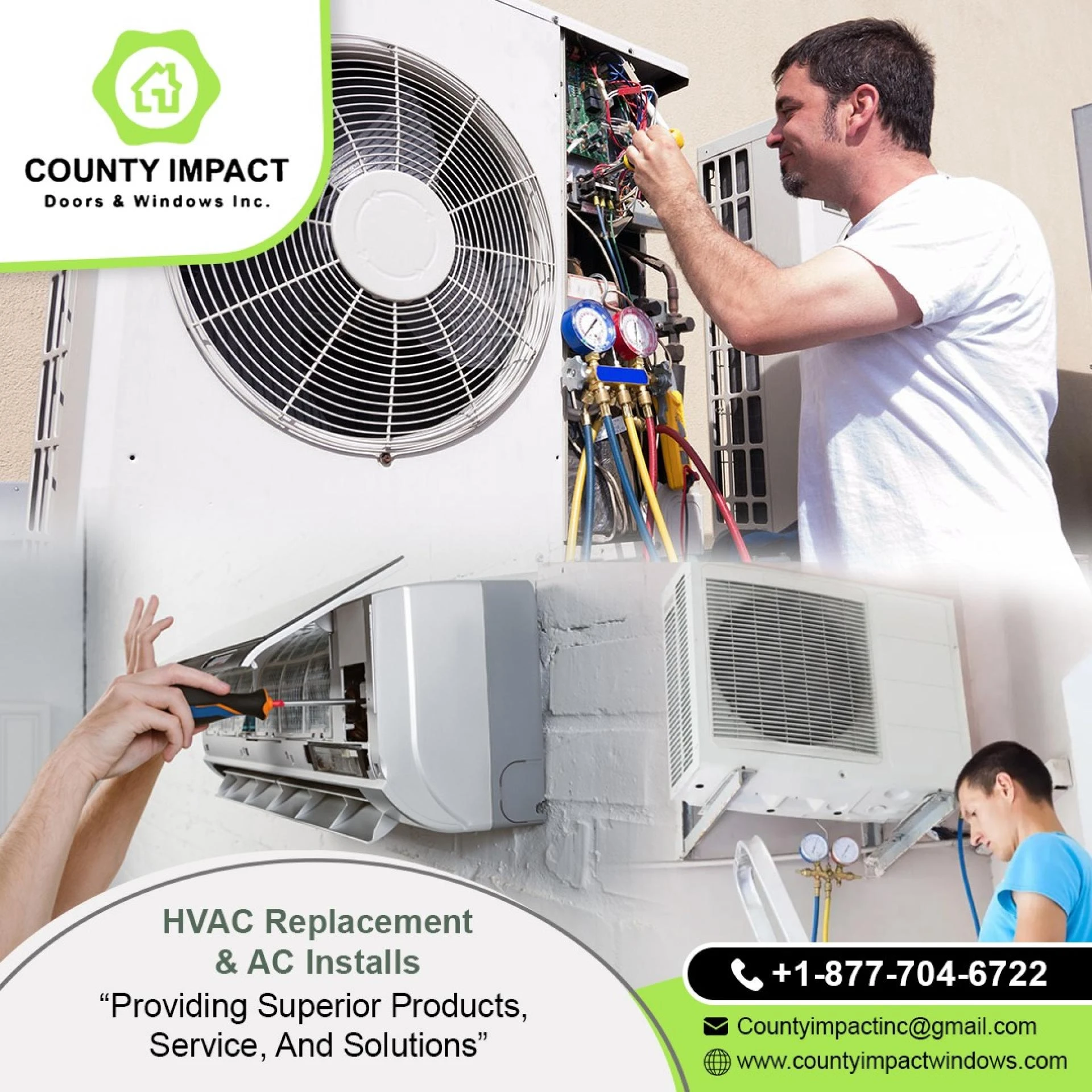

Regarding HVAC system installation, one crucial aspect that often gets overlooked or underestimated is proper sizing. Imagine investing in a brand-new, state-of-the-art HVAC system, only to discover that it struggles to keep your home comfortable or raises excessive energy bills. Unfortunately, this scenario is all too common, and the culprit is often an improperly sized HVAC system. Proper sizing is the foundation of an efficient and effective heating, ventilation, and air conditioning system, and its importance cannot be overstated.
The Consequences of Improper Sizing While HVAC System Installation
Inadequate Heating and Cooling: When an HVAC system is undersized, it will struggle to meet your home's heating or cooling demands. During hot summer days or chilly winter nights, the system may run continuously yet fail to maintain the desired indoor temperature. That leads to discomfort and frustration for homeowners, defeating the purpose of having an HVAC system installation in the first place.Increased Energy Consumption: Conversely, an oversized HVAC system can be just as problematic. Oversizing can cause the system to cycle on and off frequently, a phenomenon known as short cycling. This rapid cycling consumes excessive energy and puts unnecessary strain on the equipment, potentially leading to premature wear and tear.Reduced Lifespan of Equipment: Both undersized and oversized systems face additional stress, which can significantly shorten the lifespan of the HVAC equipment. Regular breakdowns, increased maintenance needs, and the need for premature replacements are common consequences of improper sizing, all of which can prove costly in the long run.Higher Operating Costs: A properly sized HVAC system installation operates more efficiently, ensuring that you get the best performance for your energy dollars. In contrast, an improperly sized system will waste energy and cause utility bills to skyrocket.Poor Air Quality: HVAC systems help regulate indoor air quality by removing pollutants and allergens from the air. However, when the system is too large for the space, it can't effectively remove humidity, leading to a damp and uncomfortable environment that fosters mold and mildew growth.Key Factors in Determining Proper Sizing
Heat Load Calculation: Conducting a heat load calculation is the foundation of determining the appropriate size for your HVAC system installation. This process considers factors like the climate, size and orientation of your home, insulation levels, windows, and doors, as well as the number of occupants and activities. Climate Considerations: The climate in your area plays a significant role in determining the size of your HVAC system. A perfectly sized system for a mild climate might be inadequate for extreme heat or cold, leading to inefficiency and discomfort.Ductwork Design: Properly sized ductwork is essential to ensure the conditioned air flow smoothly throughout your home. Undersized ducts can cause pressure imbalances, while oversized ducts may lead to decreased airflow and uneven heating or cooling.Equipment Efficiency Ratings: It's crucial to consider the efficiency ratings of the HVAC equipment you choose. Higher-rated systems might be more expensive upfront, but they can save you substantial energy bills over their lifespan.Home AC Installation: What To Know?
Assessing Your Cooling Needs:Understanding the cooling requirements of your home based on its size, layout, and insulation.Determining the best type of Home ac installation system for your needs, such as central air conditioning, ductless mini-split, window units, or portable ACs. Choosing the Right AC Unit:Exploring different AC unit options, including energy-efficient models and those with advanced features like smart thermostats.Evaluating the SEER (Seasonal Energy Efficiency Ratio) ratings to make an informed decision about the unit's energy efficiency. Hiring a Professional HVAC Contractor:The importance of working with a licensed and experienced HVAC contractor for a seamless and safe installation.Tips for selecting a reliable contractor and checking their credentials. Sizing Your AC System Properly:Conducting a load calculation to ensure the AC unit is appropriately sized for your home.The consequences of an undersized or oversized system and how to avoid these common pitfalls. Preparing Your Home for Installation:Clearing the installation area and ensuring easy access for the HVAC team.Checking and upgrading the electrical system to handle the AC's power requirements.Conclusion:
Proper sizing is the cornerstone of a successful HVAC system installation. Consulting with a qualified HVAC professional and conducting thorough heat load calculations will ensure your system is appropriately sized for optimal home performance, energy efficiency, and comfort. Don't let improper sizing turn your HVAC investment into a costly and disappointing venture.








Sign in to leave a comment.