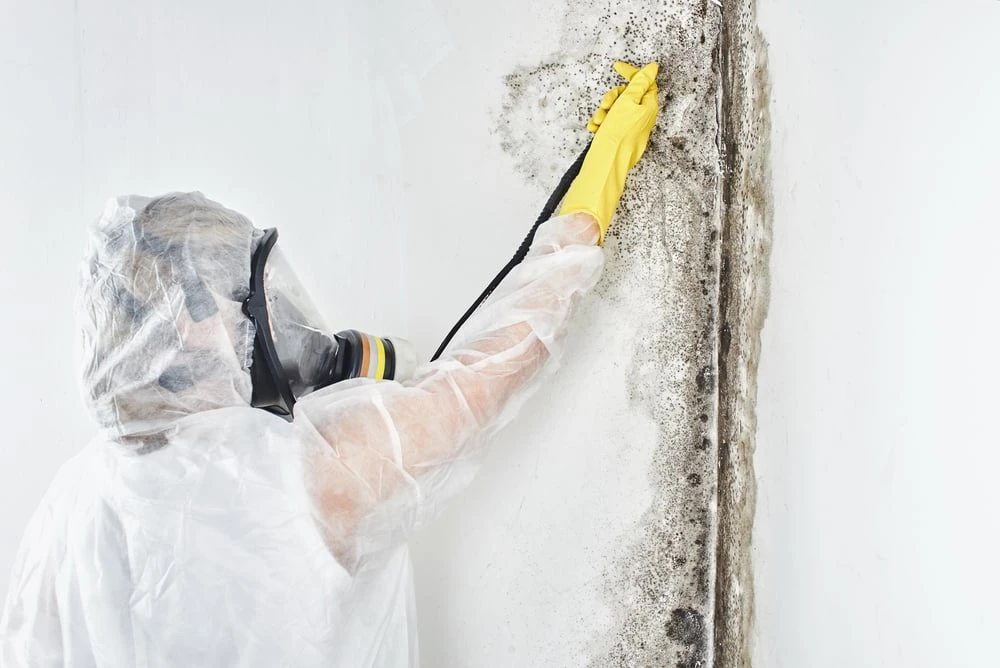

Mold growth in the home can be a serious health hazard, and proper ventilation is one of the most important steps you can take to prevent it. As a mold prevention specialist, I want to share with you why proper ventilation is so critical for keeping your family safe and healthy.
The first key factor to consider when talking about preventing mold growth is moisture control. Moisture accumulates wherever there’s poor air circulation—in basements, attics, bathrooms or other areas that are prone to dampness. When this happens, it creates an ideal environment for mold spores to settle in and multiply quickly. And if left unchecked, these colonies of mold can cause serious damage both to your property and your health.
Finally, effective ventilation also plays an important role in temperature regulation inside the home. This helps keep warm, moist air from building up in certain rooms where conditions could become favorable for mold growth. Properly ventilated environments create a much healthier atmosphere indoors by controlling humidity levels and encouraging airflow throughout the house all year round.
In my next article we'll discuss how best to achieve optimal indoor air quality through proper ventilation strategies such as using exhaust fans, opening windows regularly and strategically placed vents. For now though let's focus on what makes good ventilation essential for keeping harmful molds out of our homes completely!
Definition Of Mold
Mold is an airborne fungus that can be found in almost any environment. It's a nuisance, both visually and health-wise; it produces allergens, irritants and toxins that have the potential to cause serious health problems. Mold spores are everywhere - indoors and out – however, when these spores find the right combination of temperature, food source, oxygen and moisture they become active and begin growing. Left unchecked, this growth can spread quickly across surfaces within your home or business.
It’s important to understand what mold looks like so you know how to identify it if it appears in your living space: some molds appear as fuzzy patches on damp walls while others form long strands with web-like patterns. They range in color from black to greenish gray but may also take on pink or purple tones depending on their species.
The key to preventing mold growth lies in controlling its four essential ingredients: a food source (such as wood), adequate temperatures (above 40°F/4.5°C), oxygen supply, and moisture. By managing these elements properly, it's possible to keep mold at bay before it becomes a problem for you or your family’s health. Transitioning into the next section about causes of mold growth without saying 'step' allows for more fluidity between sections--it's clear that understanding what mold is helps us understand why and how it grows.
Causes Of Mold Growth
The presence of excess moisture is one of the key factors that leads to mold growth. Poor ventilation and high humidity can create an ideal environment for fungi and bacteria to thrive, leading to a rapid increase in mold levels within a home or building. Because it only takes 24 hours for mold spores to begin growing, proper ventilation becomes crucial in preventing their spread.
When air exchange isn't adequate, the relative humidity rises over 60% which encourages the development of mold colonies. Another important factor is surface temperature; when surfaces are too cool due to lack of sunlight, condensation occurs on these cold surfaces making them prone to microbial growth. Moreover, if areas remain damp even after cleaning with water, then this could also be an indicator of potential mold growth as well as other harmful substances such as mildew and dust mites.
Crucially, reducing indoor humidity through proper ventilation will help keep your home safe from dangerous fungal contaminants. Ventilation systems should be designed so they provide enough fresh air but not so much that drafts occur - both scenarios can cause problems. To maintain optimal conditions inside your home or office space make sure you regularly inspect windows and doors for gaps where outside air might enter and adjust settings accordingly. By ensuring good airflow throughout all living spaces you'll be able to significantly reduce the risk of developing any type of airborne illness caused by mold exposure.
Inadequate ventilation increases health risks associated with mold exposure such as asthma attacks, allergic reactions, fatigue, headaches and respiratory illnesses like bronchitis and pneumonia.
Health Risks Associated With Mold
Mold growth can lead to a variety of health risks, making it important to ensure proper ventilation in order to prevent its development. People exposed to mold can suffer from symptoms such as coughing, sneezing, and skin or eye irritation. In some cases, long-term exposure may result in asthma attacks. Mold can also cause infections in those with weakened immune systems due to illnesses like cancer or HIV/AIDS. It is particularly dangerous for infants, elderly people, and pregnant women who are more vulnerable to the toxins produced by certain types of mold.
It's essential for anyone living in an area prone to moisture buildup and mold growth to take active steps toward preventing it. Proper ventilation helps reduce humidity levels in areas where water accumulates, thus decreasing the likelihood that mold will develop. Regular cleaning and maintenance of surfaces prone to forming condensation also help keep mold away.
By taking the necessary precautions against mold formation, individuals can protect themselves from its adverse effects on their health and well-being. With these measures in place, one can feel secure knowing they have done everything possible towards avoiding potential problems down the road. Now that we understand why it’s so important to maintain proper ventilation when attempting to avoid mold growth, let’s move on to exploring ways of identifying problematic areas within a home or building structure that might be harboring unwanted substances such as fungi and bacteria.
Identification Of Problematic Areas
It’s been said that a stitch in time saves nine, and this adage is especially true when it comes to mold prevention. Identifying the areas of your home or business where ventilation might be inadequate is key to preventing mold growth before it has the chance to take hold. As any experienced mold prevention specialist will tell you, spotting these trouble spots early on can save tremendous amounts of money - not to mention headaches - down the line.
The first step in identifying problem areas is being aware of potential causes and recognizing warning signs. Poorly ventilated areas are often found near windows and doors; they may also occur near plumbing fixtures, bathrooms, kitchens, unheated crawl spaces, along exterior walls, and even at basement-level floors. In each case, look for visible condensation on cold surfaces like window frames; discolored patches on ceilings or walls which could indicate water damage behind drywall; musty odors indicating microbial growth; as well as peeling paint or wallpaper due to humidity levels being too high.
When examining an area suspected of having ventilation issues, try to determine what kind of space it is: does it contain utilities or have special needs? For example, a bathroom requires more attention than other places since its enclosed nature changes air exchange dynamics significantly - moisture build up won't dissipate easily if there isn't adequate airflow from outside sources. Each situation should be assessed individually so that the most effective form of preventive maintenance can be implemented promptly.
By heeding these guidelines and taking proactive steps towards assessing problematic areas one can make significant strides towards mitigating risks associated with mold development before they become unmanageable problems. With such foresight comes peace of mind knowing that all proper precautions were taken – leading into the next section about ventilation requirements for different spaces.
Ventilation Requirements For Different Spaces
Proper ventilation helps to prevent mold growth in any space, but there are specific requirements for different spaces. It's important to consider the size of a room and what activities take place in it when determining how much air exchange is necessary. Here's an overview of the general types of ventilation needed:
* Bedrooms:
* Open windows as often as possible during warmer months
* Install exhaust fans with timers to allow for regular circulation throughout the day
* Ensure that bathrooms connected to bedrooms have appropriate exhaust fan and window setup
* Kitchens:
* Install range hoods over stoves or cooktops and ensure they vent outdoors
* Use kitchen fans regularly while cooking, especially if using high heat appliances like ovens or grills
* Basements/Crawlspaces:
* Keep humidity levels low by installing dehumidifiers or other moisture-control systems
* Make sure vents provide sufficient air flow between outdoor areas and living spaces
Having proper ventilation in all areas of your home is essential for good indoor air quality and protection against mold growth. To maximize its effectiveness, it’s best to find ways to improve air circulation within each room.
Ways To Improve Air Circulation
Mold growth can be prevented through proper ventilation. Air circulation plays a major role in maintaining optimal indoor air quality, which is essential for preventing mold from developing. To ensure adequate air flow and prevent moisture buildup indoors, there are several ways to improve air circulation:
Method |Description
Opening Windows |Open windows regularly throughout the day to allow fresh outdoor air into the room and replace stale indoor air. This helps reduce humidity levels and prevents condensation that could lead to mold growth. |
|Using Ceiling Fans & Exhaust Fans |Ceiling fans help circulate warm or cool air around a room while exhaust fans pull out hot, humid air from bathrooms and kitchens. These devices can help create an airflow pattern that will keep the area dry and free of potential mold spores. |
|Air Purifiers/Dehumidifiers/Humidifiers |These types of appliances provide additional control over temperature, humidity and airborne particles within a space by removing excess moisture in the environment or adding more if needed. They should always be used according to manufacturer's instructions to maintain optimum conditions for preventing mold growth. |
By following these simple steps, it’s possible to effectively manage humidity levels and prevent dehydration-related issues such as mold growth within your home or business premises. Improving ventilation is key for creating an inhospitable environment for harmful microorganisms like molds, so taking proactive measures now can save you trouble later on down the road. With this knowledge in hand, we're ready to move onto exploring other important aspects related to environmental control - namely how controlling relative humidity levels is also critical for protecting against unwanted microbial activity..
Humidity Control Measures
Proper ventilation is essential for preventing mold growth. By improving air circulation, we can reduce the risk of mold developing in our homes and buildings. However, controlling humidity levels is also important to prevent mold from growing. Keeping relative humidity between 30-50% is key to reducing chances of moisture buildup and potential mold growth.
Installing a dehumidifier or humidifier can be an effective way to control indoor air quality by maintaining optimal humidity levels throughout the year. Dehumidifiers are especially useful during summer months when higher temperatures lead to more water vapor in the home’s atmosphere. Humidifiers work best during colder months when dry winter weather drops relative humidity too low. Both devices help keep indoor air at comfortable levels while promoting good health and discouraging unhealthy microbial growth like mold spores.
Regular maintenance on these appliances helps them run efficiently and continue providing clean air indoors with little effort required from the user. Properly caring for your dehumidifier or humidifier will ensure they operate optimally as part of your overall protection against airborne contaminants such as dust mites, bacteria, viruses, pollen, pet dander and yes - even mold! With careful management of both airflow and humidity levels, you can create a healthy environment free of harmful pathogens and allergens that cause respiratory irritation and other illnesses due to poor indoor air quality. To further protect your family’s wellbeing, it’s important to practice proper cleaning and disinfection techniques regularly.
Cleaning And Disinfection Techniques
Cleaning and disinfecting surfaces regularly is like painting a beautiful picture on an old canvas, as it helps prevent mold growth. It's important to use an appropriate cleaning product for the surface material you're working with; some materials may require special products or techniques. Additionally, make sure that once the surface has been cleaned, it is thoroughly dried so no moisture remains – this could lead to more mold in the future! When disinfecting areas where there might be mold present, use a bleach-based solution at least 10 percent of strength but never mix ammonia with chlorine because doing so creates toxic fumes. After using these solutions, allow them to sit on the surface for several minutes before wiping away any excess liquid and allowing the area to dry completely.
Once all surfaces have been properly cleaned and disinfected, they should then be monitored daily for signs of new microbial activity. If anything suspicious appears, take immediate action by following up with another round of cleaning and disinfection per the previously mentioned instructions. Remember that prevention is key when it comes to avoiding mold growth in your home or business environment. With proper maintenance and regular inspections, you can keep your space safe from potential health hazards associated with mold infestations.
Preventative Maintenance Tips
Mold growth can be prevented with proper ventilation. Effective preventative maintenance starts by understanding the importance of controlling humidity and airflow in your home. Here are a few simple tips to help keep mold at bay:
Keep windows open or use fans when showering, cooking or doing laundry to reduce moisture buildup. Install exhaust fans in kitchens and bathrooms, and make sure they're operating properly. Ensure that all air ducts and vents are clean and unobstructed so that fresh air circulates efficiently throughout the house.It is also important to inspect areas where water may accumulate such as around sinks, bathtubs, showers, toilets, window frames, etc., for any signs of leaks or water damage on a regular basis. Repair any problems immediately before they become bigger issues down the line which could lead to costly repairs later on due to mold infestation. Regularly check rooms with high humidity levels like garages and basements for any visible signs of mold growth or musty odors indicative of unseen mold spores lurking beneath surfaces such as drywall or wallpaper.
If you find yourself unable to control the issue through preventive measures alone it might be time to call in professional services available who specialize in assessing potential problem areas and providing effective solutions for resolving existing mold infestations quickly and safely.
Professional Services Available
It's ironic that the only way to prevent mold growth is by doing something as simple and straightforward as proper ventilation, yet so many people fail to do it. If you find yourself one of these individuals who need this service but don't know where to start, there are professionals out there ready and willing to help!
| Professionals | Services Offered |
| HVAC Technicians | Design & Install Proper Ventilation Systems |
| Home Inspectors | Identify Existing & Potential Issues with Air Quality/Mold Growth in Homes or Buildings |
| Environmental Consultants | Develop Strategies for Minimizing Mold Exposure Risk & Remediation Efforts |
Professional services offer a variety of solutions designed specifically for your needs. From designing and installing custom ventilation systems, identifying existing issues with air quality and mold growth, to developing strategies for minimizing both short-term and long-term exposure risk - experienced specialists have the knowledge and skills necessary to assist property owners in creating safe environments free from potential health risks associated with poor indoor air quality.
By taking advantage of professional services offered on the market today, we can ensure our living spaces are properly ventilated while significantly reducing the chances of developing airborne illnesses due to mold contamination. It's an easy solution that pays off in more ways than one!








Sign in to leave a comment.