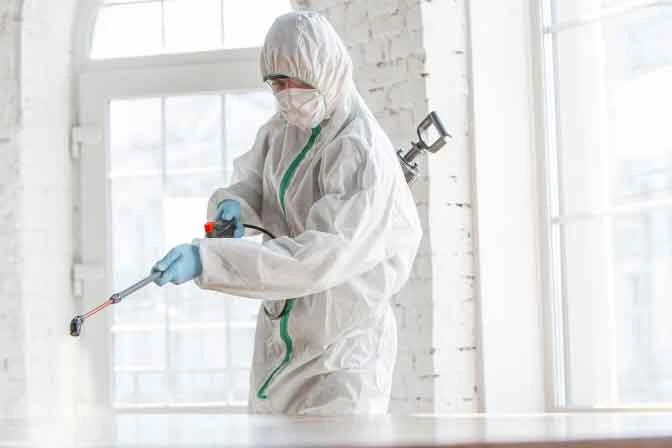

Sanitizing is a critical practice that plays a vital role in safeguarding our health and preventing the spread of infections. Whether it's in our homes, workplaces, or public spaces, maintaining cleanliness and practicing effective sanitization measures is paramount. In this blog post, we will delve into the significance of sanitizing and explore why it should be an integral part of our daily routines.
Preventing the Spread of Germs and Infections
One of the primary reasons for sanitizing is to minimize the transmission of germs and infectious agents. Harmful pathogens, such as bacteria, viruses, and fungi, can linger on surfaces and objects, posing a risk to our well-being. By regularly sanitizing surfaces, we can eliminate or reduce the number of these microorganisms, thus lowering the chances of contracting infections.
Promoting Personal Health and Hygiene
Maintaining personal hygiene is essential for overall health and well-being. Regular hand sanitization, especially before eating or after using the restroom, helps prevent the transfer of germs from our hands to our bodies. It is a simple yet effective way to protect ourselves and others from common illnesses like colds, flu, and gastrointestinal infections.
Protecting Vulnerable Individuals
Sanitizing is particularly crucial in settings where vulnerable individuals are present, such as hospitals, nursing homes, and childcare facilities. People with compromised immune systems, the elderly, and young children are more susceptible to infections. By practicing rigorous sanitization protocols, we can create safer environments and protect those who are more susceptible to illnesses.
Maintaining Clean and Healthy Environments
Regular sanitization not only ensures personal health but also helps in creating clean and healthy environments. Shared spaces like offices, schools, and public transportation are prone to the accumulation of germs. By disinfecting surfaces and frequently touched objects, we can minimize the risk of cross-contamination, creating safer spaces for everyone.
Combating Emerging Infectious Diseases
In recent years, the world has witnessed the devastating impact of emerging infectious diseases like COVID-19. The pandemic has highlighted the significance of sanitization on a global scale. Proper hand hygiene, sanitizing surfaces, and wearing masks have been crucial in slowing the spread of the virus. By continuing to prioritize sanitization, we can build resilience against future outbreaks and protect ourselves from unknown pathogens.
Building Confidence and Trust
Sanitizing not only protects physical health but also instills confidence and trust in our surroundings. Whether it's a restaurant, hotel, or any public space, knowing that sanitization measures are in place creates a sense of security. It reassures individuals that their well-being is a priority and encourages them to engage in activities without constant worry.
Conclusion
Sanitizing is a fundamental practice for maintaining personal health, preventing the spread of infections, and creating safe environments. By integrating sanitization routines into our daily lives, we can protect ourselves, our loved ones, and the broader community from the threat of harmful pathogens. Let us make sanitizing a habit, embracing its importance as a powerful tool for safeguarding our well-being. Know more about certified pest control and sanitizing services in Delhi NCR.










Sign in to leave a comment.