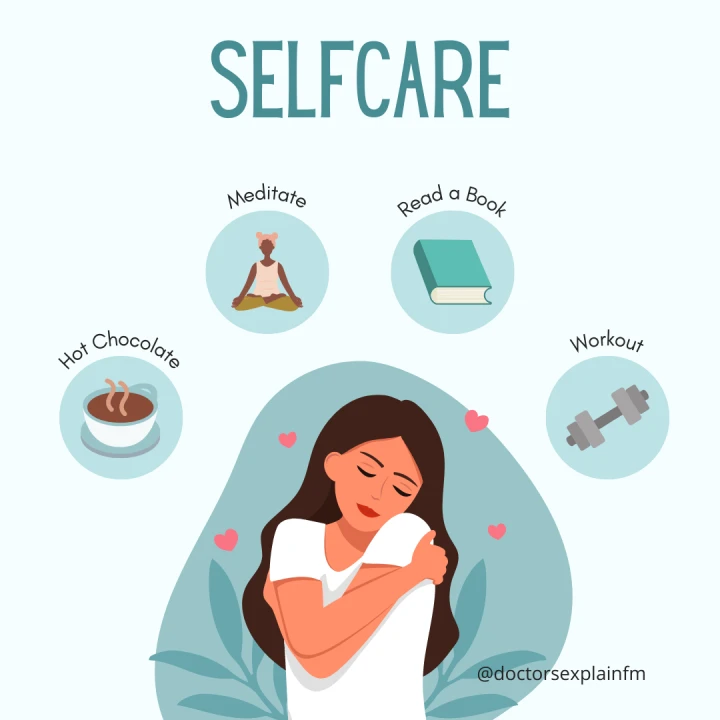

Self-care is a crucial aspect of maintaining overall well-being and happiness. In today\'s fast-paced world, it\'s easy to neglect self-care in favor of work, responsibilities, and the demands of everyday life. However, prioritizing self-care is essential for both physical and mental health.
Understanding the Importance of Self-care
Mental Health Benefits
Taking time for self-care can significantly improve mental health. Engaging in activities that promote relaxation and stress relief, such as meditation, yoga, or spending time in nature, can reduce symptoms of anxiety and depression. Additionally, self-care practices help cultivate a positive mindset and increase resilience in the face of challenges.
Physical Health Benefits
Self-care is also essential for maintaining physical health. Activities like exercise, proper nutrition, and adequate sleep contribute to overall wellness and reduce the risk of chronic illnesses. Prioritizing self-care ensures that your body is functioning optimally, allowing you to live life to the fullest.
Different Types of Self-care
Self-care encompasses various aspects of well-being, including physical, emotional, mental, and spiritual health.
Physical Self-care
Physical self-care involves taking care of your body\'s needs, such as getting enough sleep, eating nutritious foods, staying hydrated, and engaging in regular exercise. It also includes practices like grooming and attending to medical appointments.
Emotional Self-care
Emotional self-care focuses on nurturing your emotional well-being. This may involve expressing your feelings, setting boundaries in relationships, seeking support from loved ones, and engaging in activities that bring you joy and fulfillment.
Mental Self-care
Mental self-care involves activities that stimulate your mind and promote cognitive health. This can include reading, learning new skills, engaging in creative hobbies, and practicing mindfulness and relaxation techniques.
Spiritual Self-care
Spiritual self-care is about nurturing your inner life and connection to something greater than yourself. This may involve meditation, prayer, spending time in nature, or participating in religious or spiritual practices that resonate with you.
Strategies for Implementing Self-care in Daily Life
Incorporating self-care into your daily routine doesn\'t have to be complicated. Here are some strategies to help you prioritize self-care:
Establishing Routine
Create a daily or weekly schedule that includes dedicated time for self-care activities. Treat these appointments with yourself as non-negotiable, just like any other commitment.
Setting Boundaries
Learn to say no to things that drain your energy or don\'t align with your priorities. Setting boundaries allows you to protect your time and focus on activities that are meaningful to you.
Practicing Mindfulness
Mindfulness involves being fully present in the moment and paying attention to your thoughts, feelings, and sensations without judgment. Incorporating mindfulness practices into your day, such as meditation or deep breathing exercises, can help reduce stress and increase self-awareness.
Overcoming Barriers to Self-care
Despite its importance, self-care can sometimes feel challenging to prioritize. Here are some common barriers and how to overcome them:
Time Constraints
Feeling like you don\'t have enough time for self-care is a common obstacle. However, even small, consistent efforts can make a difference. Look for opportunities to incorporate self-care into your existing routine, such as taking short breaks throughout the day or waking up slightly earlier to meditate or exercise.
Guilt
Some people feel guilty or selfish for prioritizing their own needs over others\'. It\'s essential to recognize that self-care isn\'t selfish—it\'s necessary for your well-being. Remind yourself that taking care of yourself enables you to show up as your best self for those you care about.
Prioritization
When life gets busy, self-care often gets pushed to the bottom of the to-do list. However, making self-care a priority is essential for long-term health and happiness. Identify the activities that nourish your body, mind, and spirit, and make time for them consistently.
Self-care Activities for Different Lifestyles
Self-care looks different for everyone, depending on their unique circumstances and preferences. Here are some self-care ideas tailored to different lifestyles:
Busy Professionals
- Take short breaks throughout the workday to stretch, breathe deeply, or go for a walk.
- Delegate tasks when possible to reduce feelings of overwhelm.
- Set boundaries around work hours and prioritize time for relaxation and leisure activities outside of work.
Parents
- Schedule regular self-care time when someone else can watch the kids, whether it\'s a partner, family member, or babysitter.
- Engage in activities that recharge you, whether it\'s reading a book, taking a bath, or pursuing a hobby.
Students
- Practice time management and prioritize self-care alongside academic responsibilities.
- Take study breaks to rest and recharge, such as going for a walk or practicing mindfulness.
The Link Between Self-care and Productivity
Contrary to popular belief, self-care isn\'t selfish or indulgent—it\'s an essential aspect of maintaining productivity and effectiveness. When you prioritize self-care, you\'re better equipped to handle stress, stay focused, and make sound decisions. Investing in your well-being ultimately pays off in terms of increased energy, creativity, and overall performance.
Conclusion
In conclusion, self-care is a vital component of a healthy and fulfilling life. By prioritizing your physical, emotional, mental, and spiritual well-being, you can cultivate resilience, reduce stress, and enhance your overall quality of life. Remember that self-care is not a luxury—it\'s a necessity. So take the time to nurture yourself and prioritize what truly matters.
FAQs About Self-care
- What are some simple self-care activities I can incorporate into my daily routine?
- Simple self-care activities include taking short walks, practicing deep breathing exercises, journaling, or enjoying a cup of tea.
- How can I overcome feelings of guilt when prioritizing self-care?
- Remind yourself that self-care is essential for your well-being and enables you to show up as your best self for others. Set boundaries and communicate your needs openly with loved ones.
- Is self-care only for individuals with ample free time?
- No, self-care is for everyone, regardless of how busy or hectic their schedule may be. It\'s about prioritizing your well-being and making time for activities that nourish your body, mind, and spirit.
- What should I do if I\'m struggling to incorporate self-care into my routine?
- Start small and be gentle with yourself. Identify one or two self-care activities that resonate with you and commit to doing them regularly. Gradually build upon these habits as you see fit.
- How can self-care benefit my relationships and overall quality of life?
- Prioritizing self-care allows you to recharge and replenish your energy, making you better equipped to handle the demands of daily life and nurture meaningful connections with others.











Sign in to leave a comment.