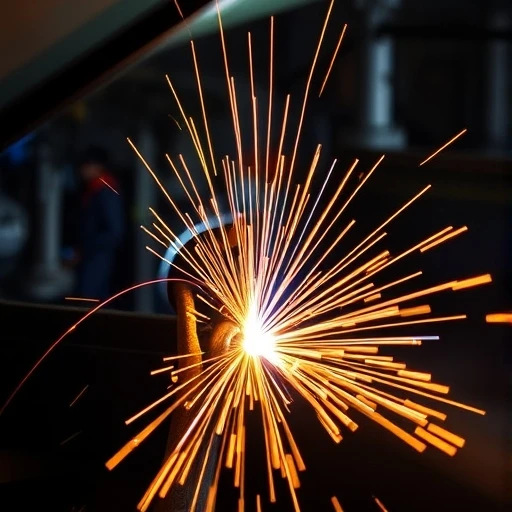
Welding is the backbone of numerous industrial processes, from constructing buildings to fabricating machinery. A key component in welding is the welding electrode, a consumable or non-consumable material that conducts current to form an arc between the electrode and the workpiece. The choice of welding electrodes significantly impacts the quality, efficiency, and durability of the weld. Below, we delve into the importance of welding electrodes and their key benefits for ensuring efficient welding in industries.
1. Ensuring Strong and Durable Welds
The primary purpose of welding is to join materials securely, and the quality of the weld depends heavily on the type of electrode used. Welding electrodes are designed to create robust bonds that can withstand high stress, wear, and environmental factors.
For example, in construction and infrastructure projects, strong and durable welds are critical for structural integrity. Electrodes made from materials like low-hydrogen iron powders or stainless steel ensure that the welds meet the required strength standards, reducing the risk of failures or defects.
2. Compatibility with Various Materials
Industries use a wide range of metals and alloys, and welding electrodes are available in various compositions to suit specific materials. Choosing the right electrode ensures compatibility, preventing issues like cracking or weak joints.
For instance:
· Carbon steel electrodes are widely used in construction and general fabrication.
· Aluminum electrodes are ideal for lightweight applications in the aerospace or automotive industries.
· Nickel-based electrodes are preferred in industries like chemical processing for their corrosion resistance.
· This compatibility ensures that industries can achieve optimal results regardless of the material being welded.
3. Enhanced Efficiency in Welding Processes
Welding electrodes are engineered to simplify the welding process, increasing efficiency and reducing operator fatigue. Coated electrodes, such as those with flux coatings, create a protective shield during welding, minimizing contamination and improving arc stability.
This leads to smoother, more consistent welds with fewer defects, reducing the need for rework. Additionally, modern electrodes are designed for high deposition rates, enabling faster welding and increasing productivity in high-demand environments like shipbuilding or heavy machinery fabrication.
4. Superior Resistance to Environmental Stress
Industrial welds often face exposure to harsh conditions, including high temperatures, moisture, chemicals, and mechanical stress. Welding electrodes provide coatings and properties that enhance the weld’s resistance to these challenges.
For example, in marine industries, electrodes designed for underwater welding offer excellent resistance to corrosion, ensuring that welds remain intact even in saline environments. Similarly, electrodes for high-temperature applications, such as in power plants, maintain their integrity under thermal stress.
5. Versatility across Welding Techniques
Welding electrodes cater to a variety of welding techniques, including shielded metal arc welding (SMAW), gas tungsten arc welding (GTAW), and gas metal arc welding (GMAW). The versatility of electrodes allows industries to select the most suitable technique for their specific needs.
For instance:
· SMAW electrodes are commonly used for maintenance and repair due to their portability and ease of use.
· GTAW electrodes provide precision for intricate tasks like welding thin materials or detailed work in aerospace industries.
· This adaptability ensures that industries can achieve high-quality results, regardless of the welding method or project requirements.
6. Cost-Effective Solutions for Long-Term Applications
Welding electrodes play a vital role in reducing operational costs by enhancing weld quality and minimizing failures. High-quality electrodes lead to fewer defects, less rework, and reduced material wastage.
Additionally, specialized electrodes designed for specific environments can prevent long-term issues such as corrosion or fatigue, lowering maintenance costs. In industries like oil and gas, where downtime can lead to significant losses, using the right electrodes ensures efficiency and cost-effectiveness over the lifecycle of the equipment.
Conclusion
Welding electrodes are more than just consumables; they are essential tools that determine the success and longevity of industrial welding projects. By ensuring strong bonds, enhancing efficiency, and providing resistance to environmental stress, welding electrodes contribute significantly to industrial productivity and reliability.
Choosing the right welding electrode is critical for achieving consistent and high-quality results. As industries continue to evolve, advanced electrode technologies will play a pivotal role in meeting the demands of modern welding applications. Investing in quality welding electrodes is not just a necessity—it’s a strategic decision to ensure the success and efficiency of industrial operations.
How to Identify High Quality Welding Products for Your Workshop


























Sign in to leave a comment.