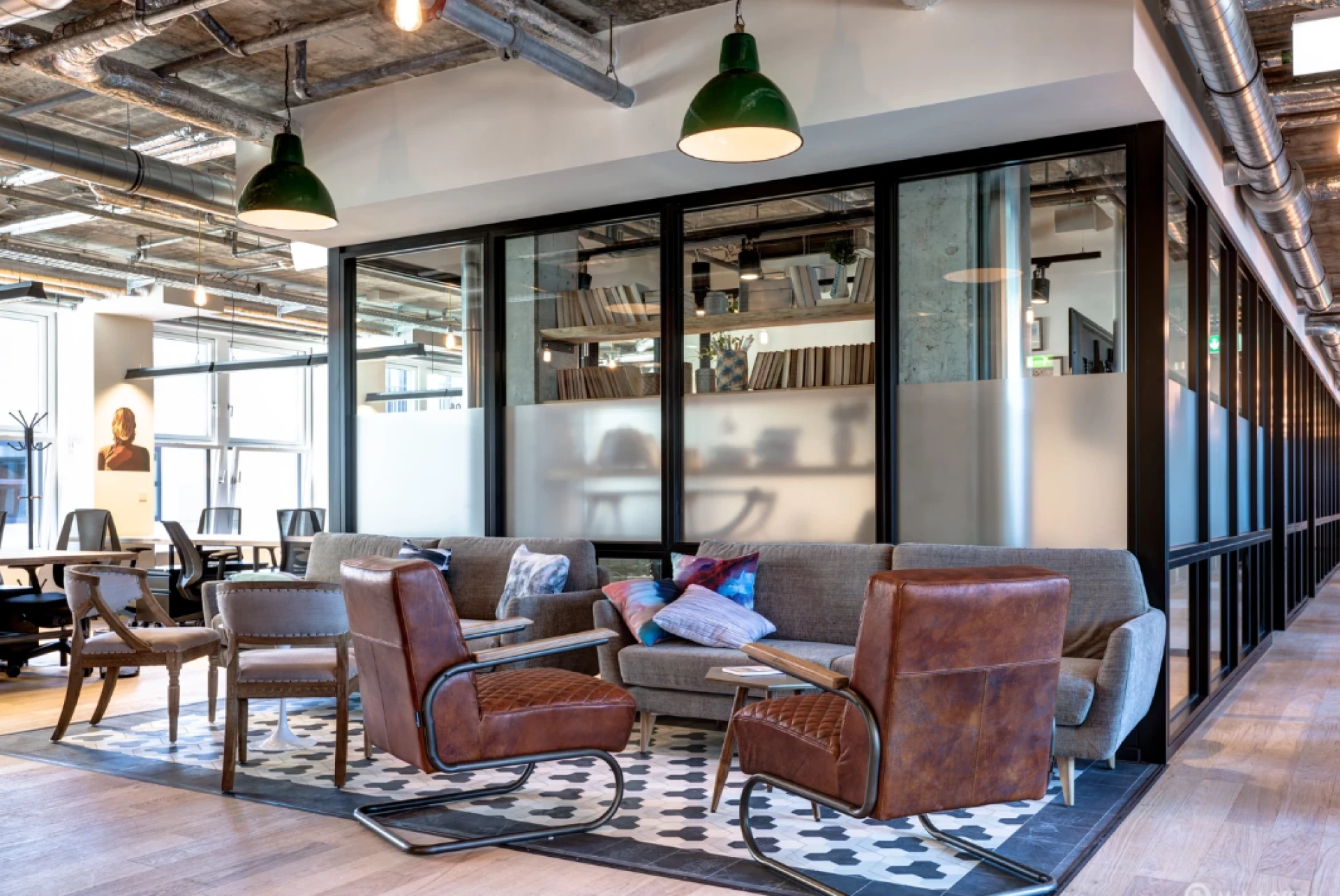

New York City’s office spaces have always told a story of reinvention, but in 2025, this narrative has reached new heights. From the cobblestone streets of SoHo to the glass-and-steel towers of Hudson Yards, businesses are discovering that the perfect New York City office space for rent often lies at the intersection of historical charm and cutting-edge innovation. This unique blend not only enhances workplace functionality but also creates environments that inspire creativity, collaboration, and brand identity.
Why Historic Buildings Remain Relevant
Despite the rise of sleek, modern skyscrapers, many companies are drawn to NYC’s historic landmarks for their timeless appeal and practical advantages. The Woolworth Building, completed in 1913, exemplifies this trend. Its recent $159 million renovation preserved iconic features like 40-foot vaulted ceilings and Gothic terra-cotta facades while adding high-speed elevators and fiber-optic infrastructure. Tenants enjoy 30% larger windows compared to newer towers, flooding workspaces with natural light—a perk that modern developments often charge a premium to replicate.
"If you want to make your mark in Manhattan, historic buildings offer something glass-and-steel boxes never will—a story that started long before you moved in."
Other landmarks like the Chrysler Building and Empire State Building have undergone similar transformations, merging Art Deco grandeur with smart climate controls and energy-efficient systems. These spaces often cost 15–20% less per square foot than newer developments like Hudson Yards, making them a strategic choice for budget-conscious firms seeking prestige.
Modern Innovations in Timeless Spaces
Architects and developers are reimagining historic structures to meet 21st-century demands. In Chelsea, the boutique office building at 512 W. 22nd Street features terraces on every floor, connected to the High Line Park, while its curved terra-cotta exterior echoes the neighborhood’s industrial past. Over in SoHo, 300 Lafayette Street pairs cast-iron columns with retractable glass walls, allowing startups to convert private offices into event spaces within minutes.
BuildingHistoric FeatureModern InnovationWoolworth BuildingGothic terra-cotta facadeAI-driven HVAC systems40 Wall StreetArt Deco lobbiesRobotic package delivery260 11th AveOtis Elevator heritageSolar-powered terraces
Tech startups are driving this fusion, using augmented reality to visualize how exposed brick walls can coexist with holographic meeting rooms. Creative agency Pulse in Long Island City transformed a 1920s factory into a workspace featuring vertical gardens that reduce noise by 40% while improving air quality.
Finding Your Ideal Blend
For businesses seeking new york city office space for rent, the key is balancing historical character with modern necessities:
- Location: Neighborhoods like FiDi and Midtown South offer clusters of renovated landmarks near transit hubs.
- Infrastructure: Prioritize buildings with updated electrical grids to support high-density tech setups.
- Flexibility: Look for landlords offering short-term leases in mixed-use developments, such as the Seaport Innovation Hub, where 19th-century warehouses host blockchain startups6.










Sign in to leave a comment.