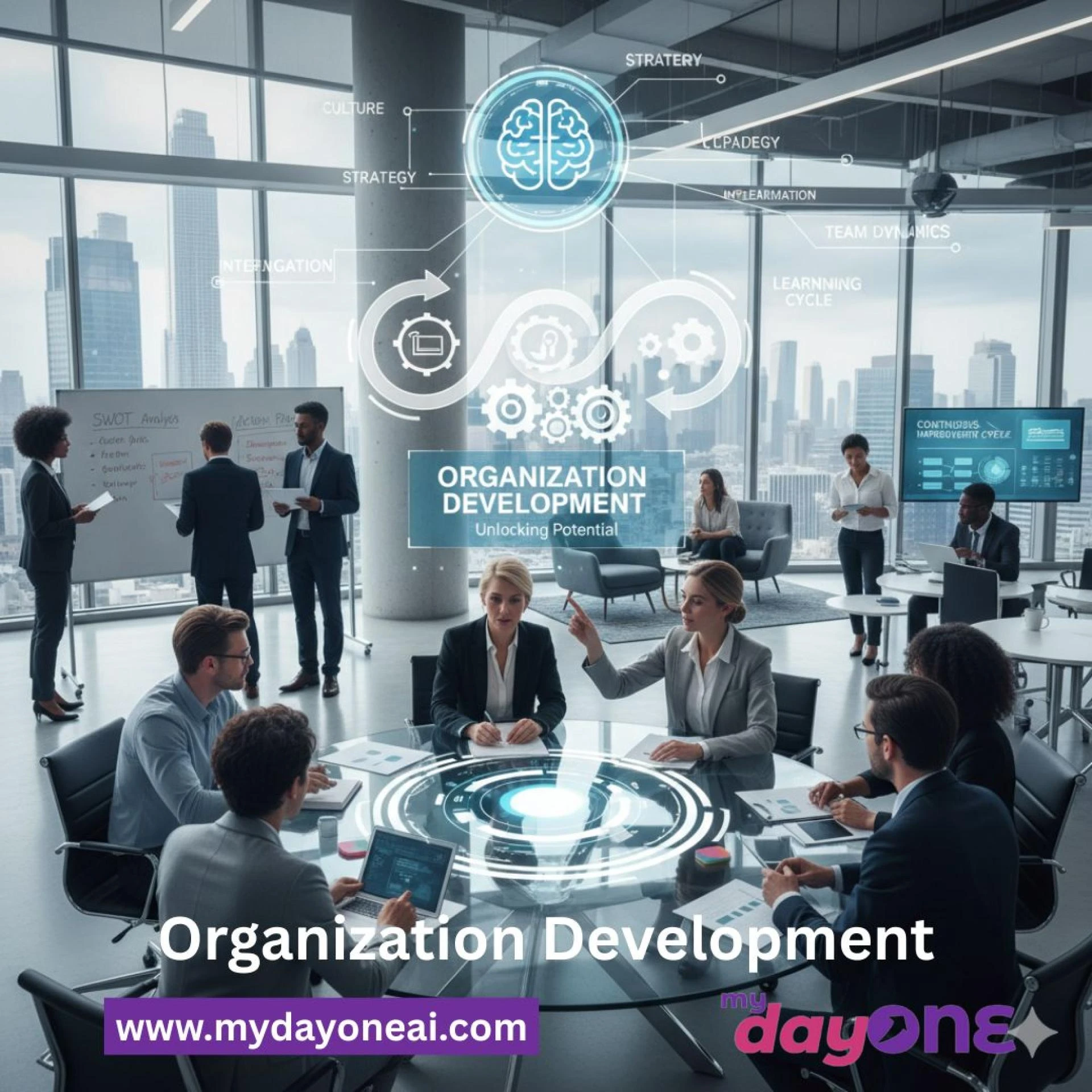

In today's fast-paced, competitive landscape, simply being busy isn't enough. Organizations must be effective—meaning they achieve their goals efficiently, adapt to change, and sustain long-term success. But how do you know if your organization is truly effective? The answer lies in carefully selected and consistently monitored Key Performance Indicators (KPIs).
This deep dive explores the critical KPIs that shine a light on the health, agility, and performance of your organization, helping you move from good intentions to measurable results.
The Foundation: What is Organizational Effectiveness?
Before diving into the metrics, it’s vital to define our core concept. Organizational effectiveness is the degree to which an organization achieves its objectives. It's a holistic concept that encompasses not just financial performance but also internal processes, people management, and the ability to innovate and adapt.
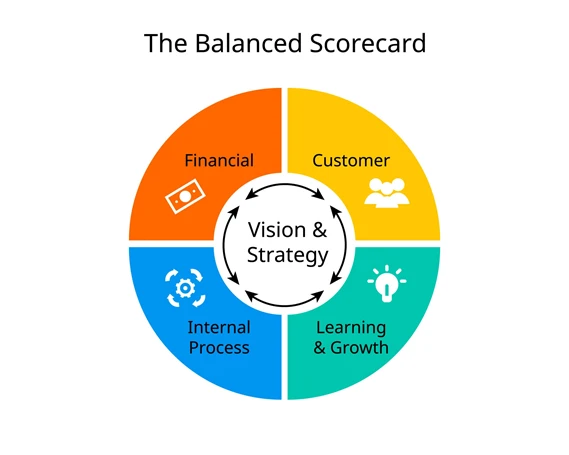
It’s often defined through several competing models, but most agree on four core dimensions:
1. Goal Attainment: Successfully reaching planned objectives.
2. Resource Acquisition: Securing and utilizing necessary inputs (talent, capital, raw materials).
3. Internal Process Health: Smooth, efficient, and well-managed internal operations.
4. Strategic Constituencies Satisfaction: Meeting the needs of key stakeholders (customers, employees, investors).
The right KPIs act as the diagnostic tools for these four dimensions, translating abstract goals into concrete, actionable data points.
Financial and Market KPIs: The Bottom Line
While effectiveness is broader than just profit, financial health is undeniably a critical outcome of a well-run organization. These KPIs tell you if your efforts are translating into economic value.
1. Revenue Growth Rate
This is the year-over-year or quarter-over-quarter percentage increase in sales revenue.
· Why it matters: A strong, consistent growth rate is the most direct evidence that the organization is effectively meeting customer needs and successfully scaling its operations.
· Key Takeaway: Sustainable revenue growth is a primary indicator of market relevance and effective sales/product strategies.
2. Operating Margin
Calculated as (Operating Income / Revenue) * 100, this metric shows how much profit a company makes on a dollar of sales after paying for variable costs of production, but before interest and taxes.
· Why it matters: A high operating margin suggests strong operational effectiveness—the company is efficiently managing its costs of goods sold and operating expenses.
· It’s one thing to sell a lot, but a high margin proves you’re doing it profitably and without wasteful spending.
3. Customer Lifetime Value (CLV)
The total revenue a business can reasonably expect from a single customer account throughout the duration of the relationship.
Why it matters: A rising CLV indicates effective customer retention, loyalty programs, and successful upselling/cross-selling—all hallmarks of an organization that excels at creating lasting customer value.
People and Culture KPIs: The Engine of Effectiveness
An organization is only as effective as the people who power it. These KPIs measure the health, engagement, and productivity of your most valuable asset: your employees.
1. Employee Engagement Score (EES)
Measured through regular surveys (e.g., eNPS, Q12), this score reflects the emotional commitment and enthusiasm employees have toward their work and the organization.
· Why it matters: Highly engaged employees are more productive, innovative, and less likely to leave. A low EES signals internal process friction and poor management.
· Key Takeaway: High employee engagement is strongly correlated with higher profitability and lower turnover.
2. Voluntary Turnover Rate
The percentage of employees who choose to leave the organization over a specific period.
"To win in the marketplace, you must first win in the workplace." - Doug Conant, former CEO of Campbell Soup Company
· Why it matters: High voluntary turnover is costly (recruiting, training) and disruptive. A low and stable rate suggests the organization is effective at talent retention, development, and providing a positive work environment.
3. Internal Promotion Rate
The percentage of open positions filled by current employees.
Why it matters: This KPI measures the effectiveness of your talent management, training, and succession planning. An organization that consistently promotes from within demonstrates a commitment to employee development and creates a stronger, more effective leadership pipeline.
Strategic and Innovation KPIs: Planning for Tomorrow
Effective organizations aren't just performing well today; they are actively preparing to perform well tomorrow. These KPIs measure the forward-looking health and adaptability of the organization.
1. Innovation Pipeline Value
The projected future revenue or cost savings from new products, services, or process improvements currently in the research and development (R&D) pipeline.
· Why it matters: This KPI assesses the effectiveness of the organization’s innovation engine and its commitment to future relevance. It ensures that strategic investments in R&D are not only happening but are projected to deliver tangible results.
2. Employee Suggestion/Idea Implementation Rate
The percentage of employee-submitted ideas or suggestions that are formally adopted and put into practice.
· Why it matters: This reflects a culture of continuous improvement and psychological safety. It demonstrates that the organization effectively captures and implements ground-level intelligence, making it more agile and responsive to internal knowledge.
3. Strategic Goal Alignment Score
A score reflecting the degree to which departmental and individual goals are clearly linked to and support the organization’s overarching strategic objectives.
· Why it matters: When everyone understands and works toward the same top-level goals, efforts are unified and maximized. This metric ensures that the entire organization is pulling in the same direction, which is the ultimate test of organizational effectiveness.























Sign in to leave a comment.