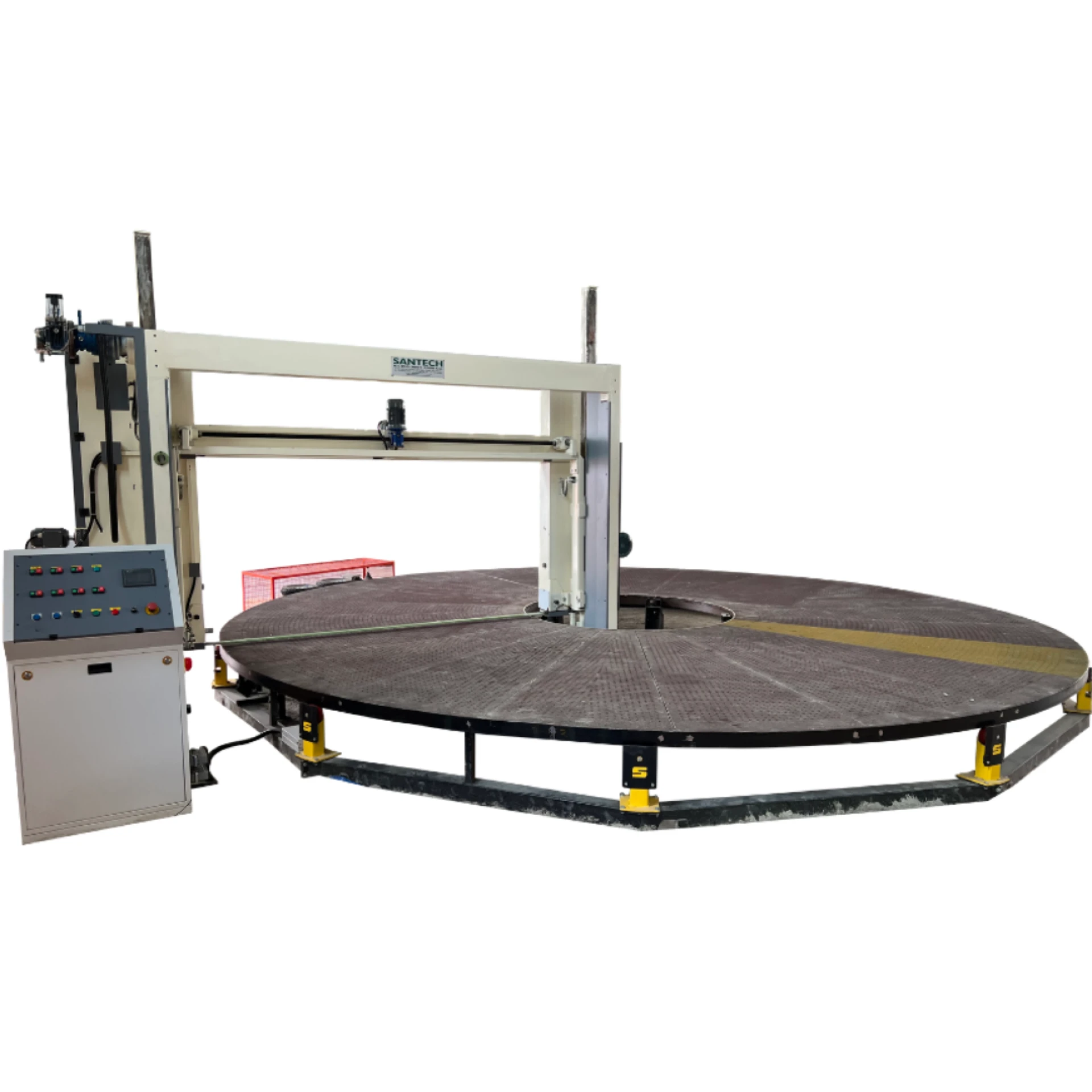

Introduction: In the ever-evolving landscape of manufacturing and industrial processes, precision and efficiency are key drivers of progress. One area that has seen remarkable advancements is foam cutting technology, particularly in the realm of circular cutting machines. These machines play a crucial role in various industries, from packaging to furniture manufacturing, where precise circular cuts in foam materials are essential. In this blog, we will delve into the latest innovations in foam circular cutting machine technology, exploring how these advancements are revolutionizing production processes and enhancing overall efficiency.
1. Precision at Its Pinnacle
One of the most significant advancements in foam circular cutting machines is the unprecedented level of precision they now offer. Modern machines utilize state-of-the-art computer numerical control (CNC) technology, allowing for intricate and accurate cuts with minimal margin for error. This precision is particularly crucial in industries where foam components must fit seamlessly into complex assemblies, such as in automotive interiors or electronic packaging.
The integration of advanced sensors and real-time feedback mechanisms further enhances precision. These sensors constantly monitor the cutting process, making instantaneous adjustments to ensure that each circular cut meets the exact specifications required. The result is a level of precision that not only meets but often exceeds industry standards, opening up new possibilities for applications in fields where precision is paramount.
2. Versatility in Materials
The latest foam circular cutting machines showcase enhanced versatility in handling a wide range of foam materials. Whether it's polyurethane, expanded polystyrene (EPS), or polyethylene foam, these machines can adeptly cut through various densities and thicknesses. This flexibility is a game-changer for manufacturers dealing with diverse materials in their production processes.
Moreover, the machines can be easily programmed to accommodate different foam formulations, ensuring that the cutting parameters are optimized for each specific material. This adaptability minimizes downtime associated with retooling for different materials, making the production process more streamlined and efficient.
3. Speed and Efficiency
Time is money in manufacturing, and the latest innovations in foam circular cutting machines prioritize speed without compromising on precision. Advanced cutting algorithms and optimized tooling designs contribute to faster cutting speeds, allowing manufacturers to meet increasing demand without sacrificing quality.
Additionally, the integration of automation features has further boosted efficiency. From automatic tool changes to conveyor systems that seamlessly transport foam sheets through the cutting process, these machines are designed to maximize throughput. As a result, manufacturers can achieve higher production volumes while maintaining the high-quality standards required in their respective industries.
4. User-Friendly Interfaces
Traditionally, operating cutting machines required a certain level of technical expertise. However, the latest foam circular cutting machines come equipped with user-friendly interfaces that simplify the programming and operation processes. Touchscreen displays and intuitive software make it easier for operators to set cutting parameters, upload design files, and monitor the cutting progress.
This user-friendly approach not only reduces the learning curve for operators but also facilitates quicker machine setup and changeovers between different production runs. As a result, manufacturers can adapt to evolving production requirements more efficiently, making their operations more agile and responsive.
5. Sustainability Features
In response to growing environmental concerns, manufacturers are increasingly seeking sustainable solutions in their production processes. The latest foam circular cutting machines incorporate features that contribute to sustainability goals. For instance, advanced nesting algorithms optimize material usage, reducing waste and maximizing the yield from each foam sheet.
Furthermore, some machines utilize energy-efficient components and technologies, minimizing their environmental footprint. This aligns with the broader industry trend towards adopting greener practices, making foam circular cutting a more sustainable process overall.
Conclusion
The latest innovations in foam circular cutting machine technology represent a significant leap forward in the realm of industrial cutting processes. With unmatched precision, versatility in material handling, increased speed and efficiency, user-friendly interfaces, and sustainability features, these machines are transforming the landscape of foam fabrication.
Manufacturers across various industries can now benefit from a cutting-edge solution that not only meets the demands of today's production environments but also paves the way for future advancements. As foam circular cutting machines continue to evolve, we can anticipate even greater efficiency, precision, and sustainability in the manufacturing processes that rely on them.










Sign in to leave a comment.