
Key Takeaways
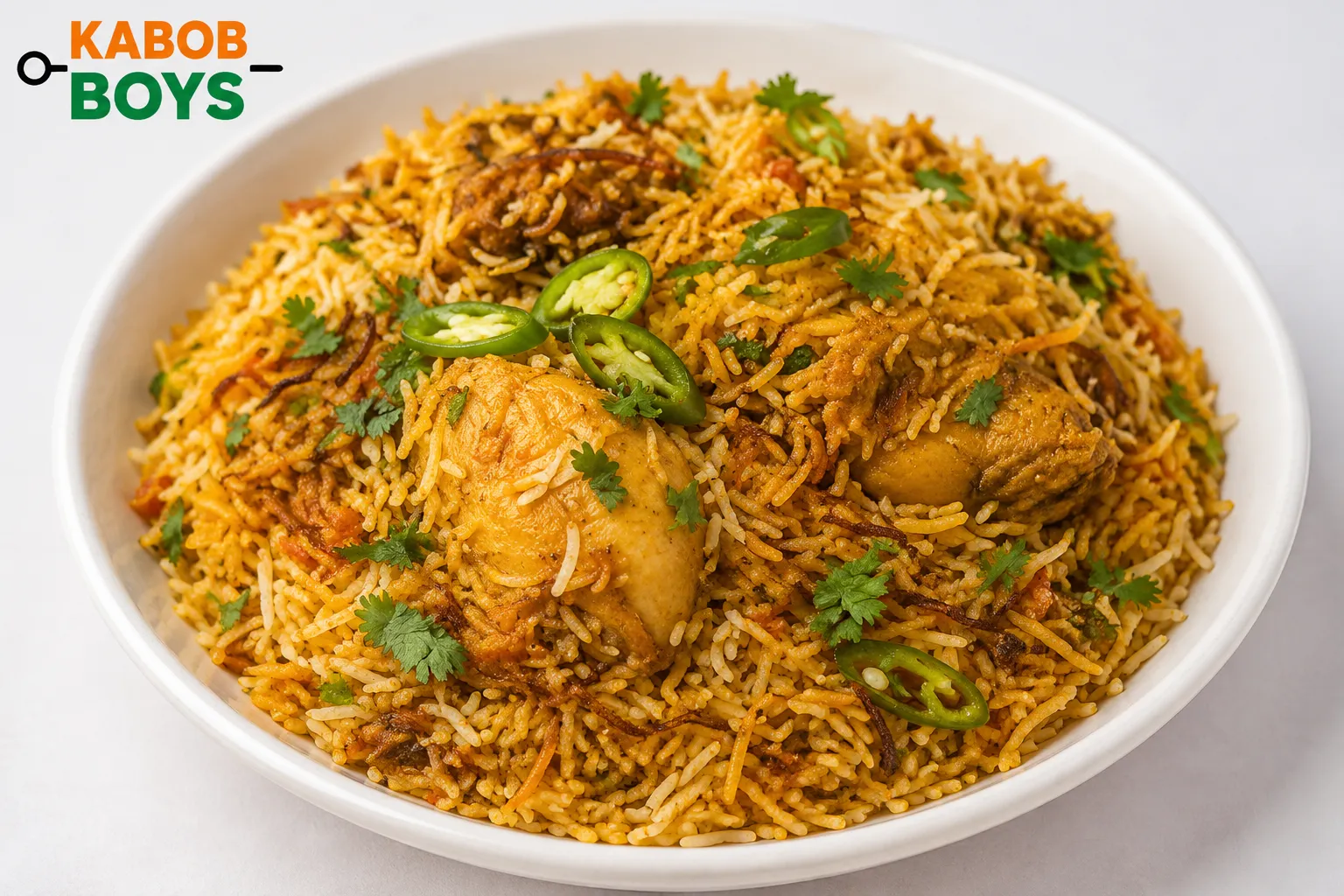
- The defining feature of properly made biryani is the layering method, where partially cooked rice and marinated chicken are stacked and finished together under steam rather than mixed and boiled.
- Rice grain quality and soaking time affect whether the final dish has separate, fluffy grains or a mushy, clumped texture.
- Marination length has a direct effect on how deeply spices penetrate the chicken, with rushed marination producing surface-level flavor only.
- Saffron or turmeric-infused water added in patches during layering creates the visual color variation associated with well made biryani, rather than a uniform yellow tint.
- Resting the dish after cooking, often called dum, allows steam to finish cooking the rice evenly and lets flavors settle before serving.
Few rice dishes carry as much variation in quality as biryani, and the difference between a forgettable version and a genuinely well made best chicken biryani often comes down to technique rather than ingredients alone. Two kitchens can use nearly identical spice lists and still produce very different results, because so much depends on timing, layering, and how the rice and meat are cooked together rather than separately. Understanding what actually goes into a properly prepared plate makes it easier to recognize good execution and to know what questions are worth asking before ordering.
What Defines Properly Made Biryani
At its foundation, biryani is a layered rice dish built from two separately prepared components: parboiled rice and marinated, partially cooked chicken. These layers are combined in a single pot and finished together under low, sealed heat, a method that allows the rice to absorb flavor from the meat and spices without becoming waterlogged.
This is different from dishes where rice and meat are cooked together from the start in one pot of liquid, which tends to produce a softer, more uniform texture closer to a pilaf. The layering method is what gives biryani its characteristic texture contrast, with rice grains that stay distinct and chicken that remains tender rather than dry.
Rice Quality and Preparation
Long-grain rice, typically basmati, is standard for this dish because of how the grains elongate and separate when cooked correctly. Soaking the rice before cooking allows for more even hydration, which reduces the risk of grains breaking or clumping during the final steaming stage. Rice that is undercooked at the parboiling stage risks staying hard in the finished dish, while rice cooked too far breaks down and turns starchy.
Ingredients That Shape the Flavor
Whole spices such as cardamom, cinnamon, star anise, and cloves are typically added during both the meat marination and the rice boiling stages, which builds flavor in layers rather than relying on a single spice mix. Fried onions, often prepared separately until deeply browned, are folded between the layers and contribute both sweetness and a distinct aroma that ground spices alone can't replicate.
Fresh mint and coriander leaves are usually scattered between layers as well, adding brightness that balances the richness of the fried onions and cooked chicken. The quality and freshness of these herbs can noticeably affect the final aroma, since dried substitutes don't provide the same intensity.
How Marination Affects the Final Result
Chicken that's marinated for an extended period, rather than for a short window before cooking, absorbs spice and yogurt more fully, which results in more consistent flavor throughout the meat rather than just on the surface. Rushed marination tends to leave the interior of the chicken pieces underseasoned, even if the exterior tastes well spiced.
Cooking Technique and Serving Style
The final cooking stage, known as dum, involves sealing the pot and cooking on very low heat so the dish finishes through trapped steam rather than direct contact with high heat. This step is where the rice absorbs the remaining moisture and spice from the meat layer below it, and where the color patches from saffron or turmeric water become visible once the layers are gently mixed at serving time.
It's typically served hot, often with a side of raita or a simple salad to balance the richness of the dish. Because the texture depends on proper steaming, biryani that's held too long before serving can lose some of its distinct grain separation.
Expert Insights
Cooks who prepare this dish regularly tend to focus closely on the ratio of rice to meat, since too much rice relative to chicken dilutes the flavor of each bite, while too little rice makes the dish heavier than intended. Attention also goes to how evenly the color and aroma are distributed, which depends on how thoroughly the saffron or turmeric water is drizzled across the top layer rather than mixed in uniformly beforehand.
Another detail experienced cooks pay attention to is pot size relative to quantity, since a pot that's too large allows steam to escape unevenly, while one that's too small compresses the layers and prevents proper steaming.
Industry Best Practices
Kitchens that prepare this dish consistently tend to follow a few practical standards. Parboiling rice to a specific, repeatable doneness helps ensure consistency between batches. Sealing the pot properly during the dum stage, whether with a tight lid or a dough seal, helps retain steam and moisture. Marinating chicken for a set minimum time supports consistent flavor depth across servings. Proper food safety handling during marination, including refrigeration and safe internal cooking temperatures for the chicken, is essential given that raw meat is involved at an earlier preparation stage.
Common Mistakes
One frequent mistake is undercooking or overcooking the rice at the parboiling stage, since both errors are difficult to correct once the layering and steaming process begins. Another is skipping or rushing the marination period, which leaves the chicken underseasoned even when the rice layer tastes well spiced.
Using too much liquid during layering is another common issue, since excess moisture prevents the rice from achieving its intended fluffy texture and can result in a soggy, clumped dish. On the ordering side, some diners assume all versions of this dish will taste similar, when in practice preparation method, spice blend, and rice-to-meat ratio vary significantly between kitchens.
Buying Considerations
When deciding where to order this dish, a few factors are worth weighing. Rice texture is one of the clearest indicators of preparation quality, since grains should be separate and fluffy rather than sticky or broken. Visible layering and color variation, rather than a flat, uniform yellow appearance, often suggests the traditional method was followed. Portion balance between rice and chicken, along with what sides are included, can also affect overall value depending on the order.
Read More
Readers interested in how marination time affects flavor in other grilled and slow-cooked dishes may also find our article on chicken tikka preparation useful.
Final Thoughts
Recognizing what separates a well made plate from an average one comes down to understanding the layering method, rice quality, and marination time discussed here. At Kabob Boys, the dish is prepared with attention to these same fundamentals, served hot and made to order. Whether someone is trying this dish for the first time or comparing it to versions they've had elsewhere, knowing what affects texture, flavor, and consistency makes it easier to judge what's on the plate.
FAQs
What makes biryani different from other rice and chicken dishes?
The layering and steaming method, rather than cooking rice and meat together in one pot, is what defines proper biryani texture.
Why does the rice sometimes have different colors in one dish?
Patches of saffron or turmeric water added during layering create natural color variation rather than a uniform tint.
Is it usually spicy?
Spice level depends on the marination and masala used, and it can vary noticeably between kitchens.
What sides typically go with this dish?
It's commonly served with raita or a simple salad to help balance the richness of the rice and chicken.
Where can this dish be ordered in Frederick, MD?
In Frederick, MD, it's available at Kabob Boys, prepared fresh with layered rice and marinated chicken as part of their menu.
























Sign in to leave a comment.