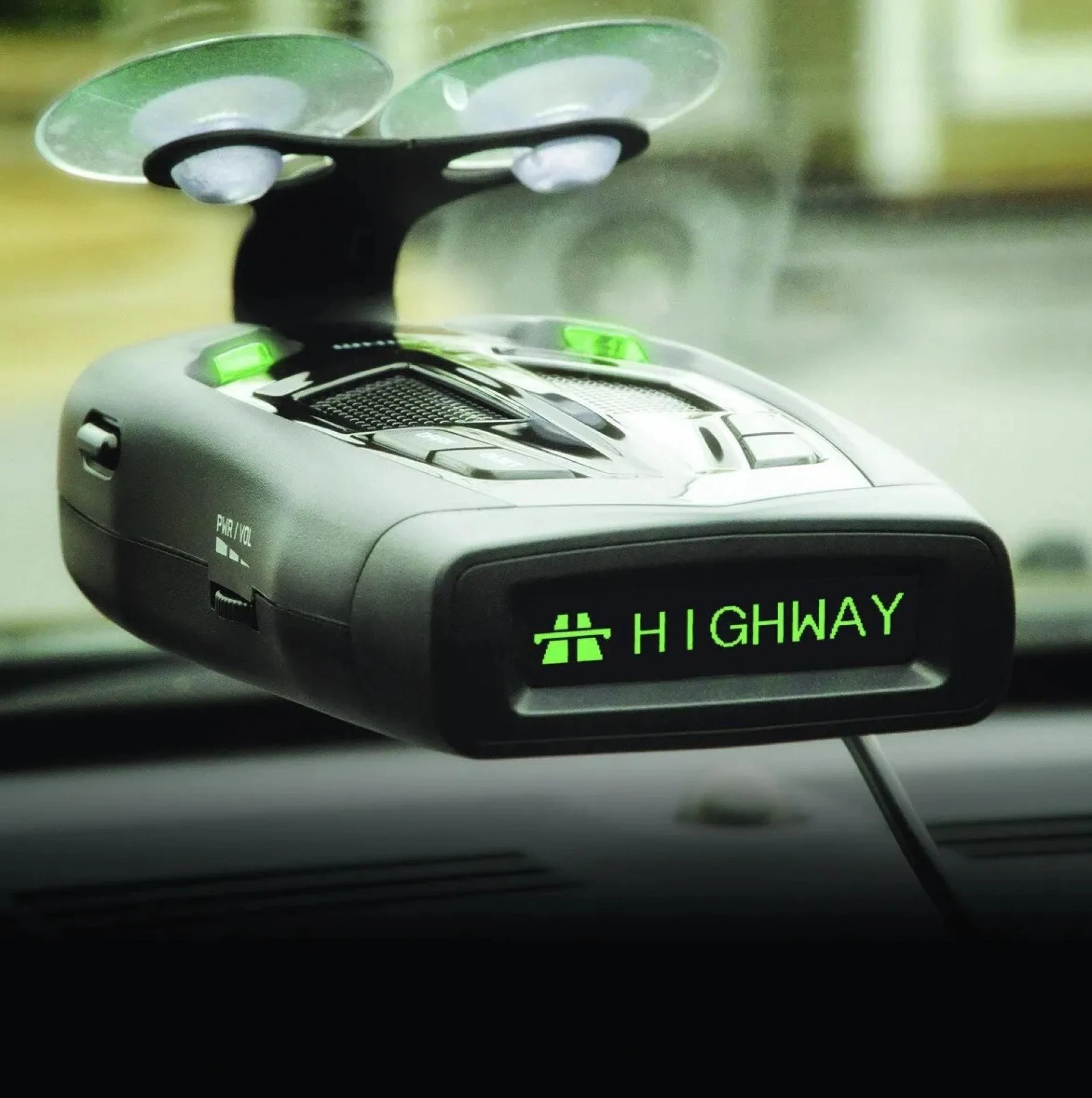

Radar jammers have long been a subject of debate, raising questions about their legality and ethical use. As technology advances and law enforcement techniques evolve, it's essential for drivers to understand the legal implications of using radar jammer. In this comprehensive guide, we'll explore the intricacies of radar jammer regulations, helping you navigate the legal landscape and make informed decisions when considering these devices for your vehicle.
Understanding Radar Jammers
1. How Radar Jammers Work
Radar jammers operate by emitting radio signals at the same frequency as police radar guns, disrupting the accurate measurement of a vehicle's speed. They are designed to prevent speed detection, providing drivers with a false sense of security on the road.
2. Motivations for Using Radar Jammers
Drivers often turn to radar jammers to avoid speeding tickets and the associated fines and insurance premium hikes. Some believe that radar jammers offer a means to protect their privacy and avoid intrusive surveillance.
The Legal Landscape
1. Legality in Various Countries
Radar jammers are illegal in many countries worldwide, including the United States. The Federal Communications Commission (FCC) prohibits the sale or use of devices that interfere with radar signals. It's crucial for drivers to understand the legal implications in their specific region to avoid potential penalties and legal consequences.
2. Penalties for Using Radar Jammers
In areas where radar jammers are illegal, penalties can range from hefty fines to more severe consequences, including the confiscation of the device and potential legal action. Drivers should be aware of the risks associated with the use of radar jammers and consider alternative methods for maintaining road safety and compliance with the law.
Ethical Considerations
1. Balancing Privacy and Public Safety
The use of radar jammers raises ethical questions regarding the balance between individual privacy and public safety. While some drivers view radar jammers as a means to protect their privacy, others argue that they encourage reckless driving and pose a threat to overall road safety.
2. Responsible Driving Practices
Advocates of responsible driving emphasize the importance of adhering to speed limits and practicing safe driving habits as the most effective means of ensuring road safety. They argue that reliance on radar jammers can promote a disregard for traffic laws and compromise the well-being of all road users.
Conclusion
Navigating the legal implications of using radar jammers requires a comprehensive understanding of the regulations and ethical considerations involved. While radar jammers may seem like a convenient solution to avoid speeding tickets, they can lead to severe consequences and compromise public safety. It is essential for drivers to prioritize responsible and law-abiding practices on the road, ensuring the safety of themselves and others.
Elevate your driving experience with 1st Radar Detectors' advanced technology, offering top-notch protection comparable to a Valentine Radar Detector, ensuring a safe and seamless journey on the road.










Sign in to leave a comment.