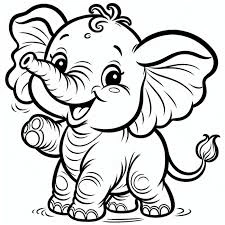

Drawing elephants is not just about sketching a big, gray animal. There’s something magical about capturing the gentle giant on paper. With their large ears, long trunks, and wrinkled skin, elephants are some of the most majestic creatures in the animal kingdom. These qualities make elephants a fantastic subject for any artist. Whether you’re a beginner or an expert, the magic of drawing elephants lies in how you can bring their mighty yet gentle nature to life with just a few strokes of the pencil.
This post will help you discover the fun and educational aspects of drawing elephants. Whether you’re just starting to draw or you want to improve your skills, this guide will encourage your creativity and inspire you to make your own unique elephant drawings. We’ll cover everything from basic drawing techniques to adding fun details and using color to give your elephant personality. So grab your pencils and let’s dive into the magical world of elephant drawing!
1. Why Elephants Are a Magical Drawing Subject
Let’s see in detail why the elephant is magical in drawing.
Majestic Features of Elephants
Elephants have some of the most unique and recognizable features in the animal kingdom, making them a fun and easy subject to draw. Let’s take a closer look at why their large ears, trunks, and tusks are perfect for any artist.
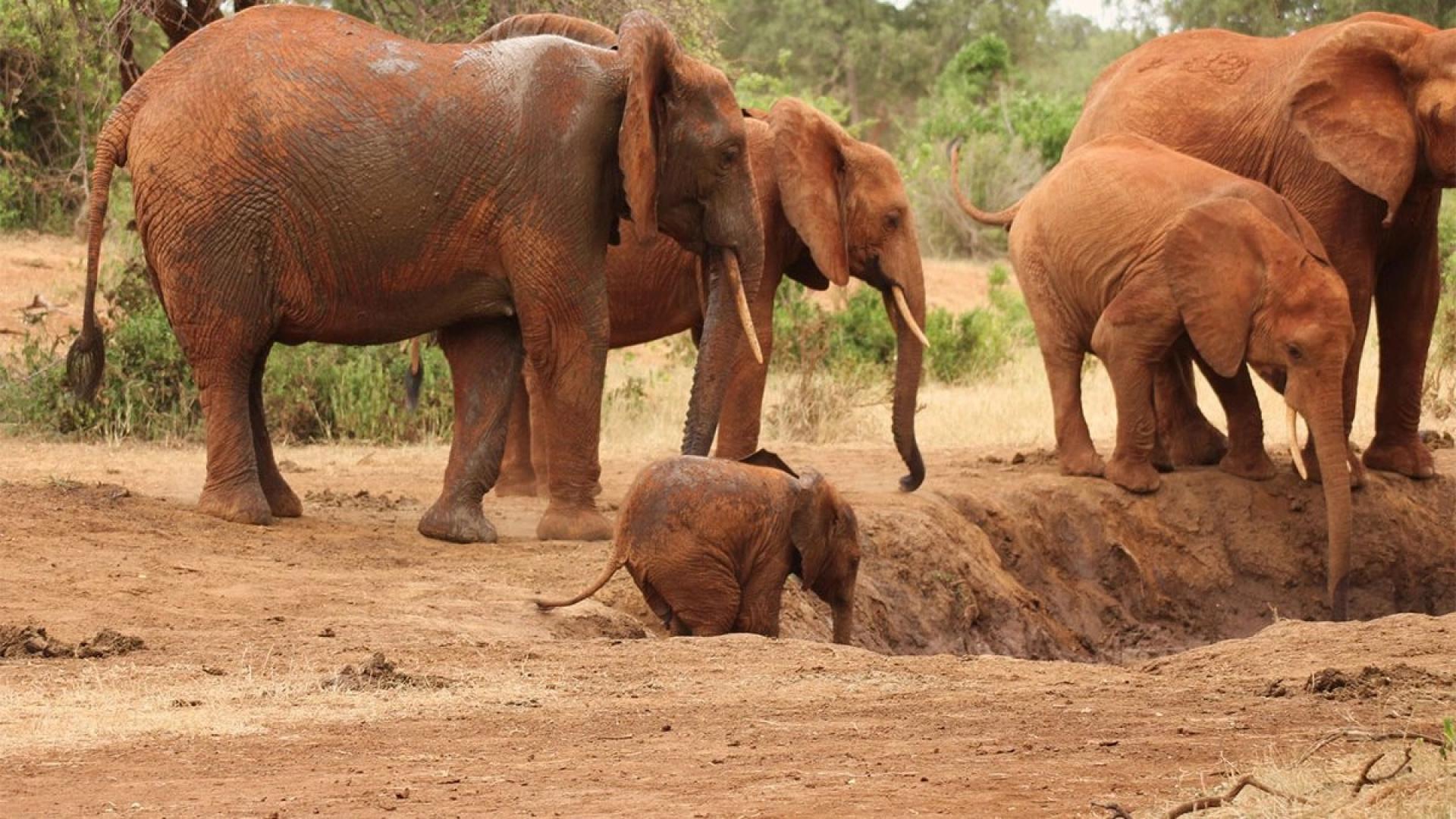
- Large Ears and Trunks: Elephants have huge ears that look like big, floppy fans. These ears help the elephant keep cool in hot climates. When drawing, you can have a lot of fun exaggerating the size of the ears and trunk to make your elephant look even more lovable. The trunk is also a very versatile feature—it can be curved, held high, or wrapped around something. These options give you plenty of chances to experiment with different poses.
- Tusks and Wrinkles: An elephant’s tusks are long, curved, and strong, adding to the creature’s powerful appearance. Their skin is full of folds and wrinkles, making them not only interesting to draw but also a great way to practice adding texture to your art. With just a few lines, you can bring an elephant’s skin to life!
Elephants in Culture and Art
Elephants have always been an important part of art and culture. For centuries, people from all over the world have used elephants in their stories, paintings, and sculptures.
- Historical Significance: In many cultures, elephants are symbols of strength, wisdom, and good luck. In ancient India, elephants were depicted in religious art, and the famous deity Ganesha, the god of wisdom, is often shown with the head of an elephant. These ancient artworks show how important elephants have been in shaping the stories of people around the world.
- Modern Interpretations: Today, elephants still play an important role in art. Artists often draw elephants in fun, playful ways, showing them in cartoonish forms or adding imaginative details. The stories of elephants, like Dumbo, show us how elephants have inspired creativity in modern movies, books, and illustrations.
Emotional Connection
There’s more to elephants than their appearance. These animals are known for their intelligence, social behavior, and gentle nature. Many people feel a deep emotional connection to elephants, and that connection can be seen in their artwork.
- Symbolism: Elephants often represent qualities like wisdom, strength, and good fortune. This makes them perfect subjects for conveying powerful emotions in drawings. Whether it’s a calm and peaceful expression or a playful and curious pose, an elephant can help tell a story with its face and body language.
- Relatability: Kids and adults alike connect with elephants because they’re not just big and strong, they are also nurturing and protective, especially when it comes to their families. This emotional depth makes drawing elephants even more meaningful.
2. The Educational Value of Drawing Elephants
Drawing elephants is not just fun—it can also teach you valuable lessons about the animal itself and the world around you. Let’s look at how elephant drawing can be educational too!
Learning About Elephants Through Art
- Scientific Accuracy: Drawing elephants gives you a chance to learn about their anatomy and physical features. When you draw, you’ll notice how elephants have large, floppy ears, thick skin, and long trunks. This process helps you understand more about the real-life animals, their habitats, and how they move.
- Understanding Nature: Learning to draw elephants is a great way to connect to the natural world. By drawing these majestic creatures, you can appreciate the beauty of wildlife and nature. Plus, it helps you understand the importance of protecting animals and their environments.
Building Fine Motor Skills
Drawing helps kids develop fine motor skills by practicing hand-eye coordination. When you draw elephants, you’re not only improving your ability to sketch but also enhancing your ability to control your pencil and focus on details. These skills can be helpful in other areas of life, such as writing, sports, and even music!
Creativity and Storytelling
- Encouraging Storytelling: Elephant drawings can be a great starting point for creating stories. You can imagine your elephant going on adventures or meeting other animals in the wild. By incorporating your imagination, you can create a world for your elephants to live in, and tell exciting stories through your artwork!








Sign in to leave a comment.