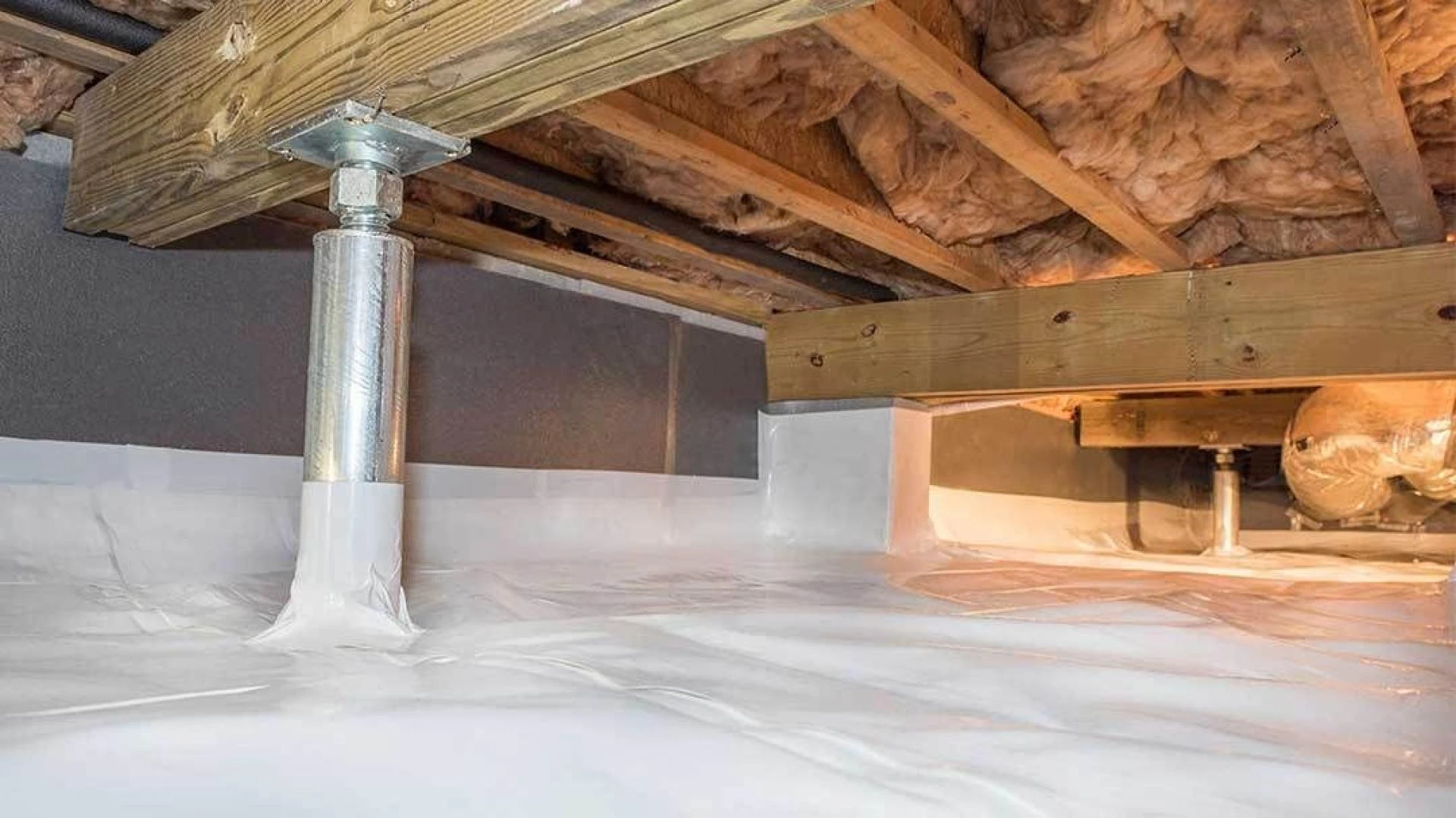
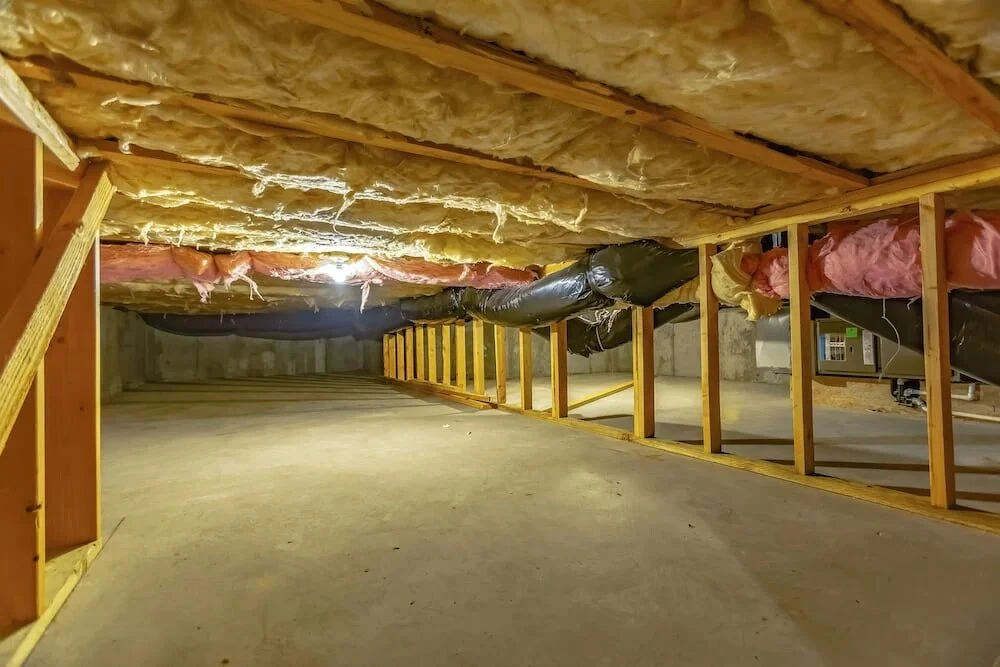
The main benefits of using modern insulation materials in a crawl space are superior moisture control, greatly improved indoor air quality, and increased home comfort through warmer floors. Unlike older methods that simply placed fiberglass batts between floor joists, modern solutions like closed-cell spray foam and rigid foam board seal the crawl space from outside air and ground moisture. This approach stops mold growth, prevents wood rot, and eliminates the musty odors that often plague homes with traditional dirt crawl spaces.
This article will break down why these newer materials are so effective and how they solve problems that older insulation types could not. The information presented is based on years of fieldwork by building science experts and insulation contractors who have seen firsthand the dramatic difference a properly insulated crawl space can make. By understanding these benefits, homeowners can make better decisions about protecting their home from the ground up.
Superior Moisture and Humidity Control
The single most important job of crawl space insulation is to manage moisture. Traditional vented crawl spaces were designed to let moisture escape, but in humid climates, they often do the opposite. They pull in warm, damp air that condenses on cooler surfaces like ductwork and floor joists, creating a perfect environment for mold and rot. Studies have shown that a typical crawl space can release up to 10 gallons of water vapor into a home every day.
Modern materials solve this problem by isolating the crawl space from the outside environment. This is typically done by:
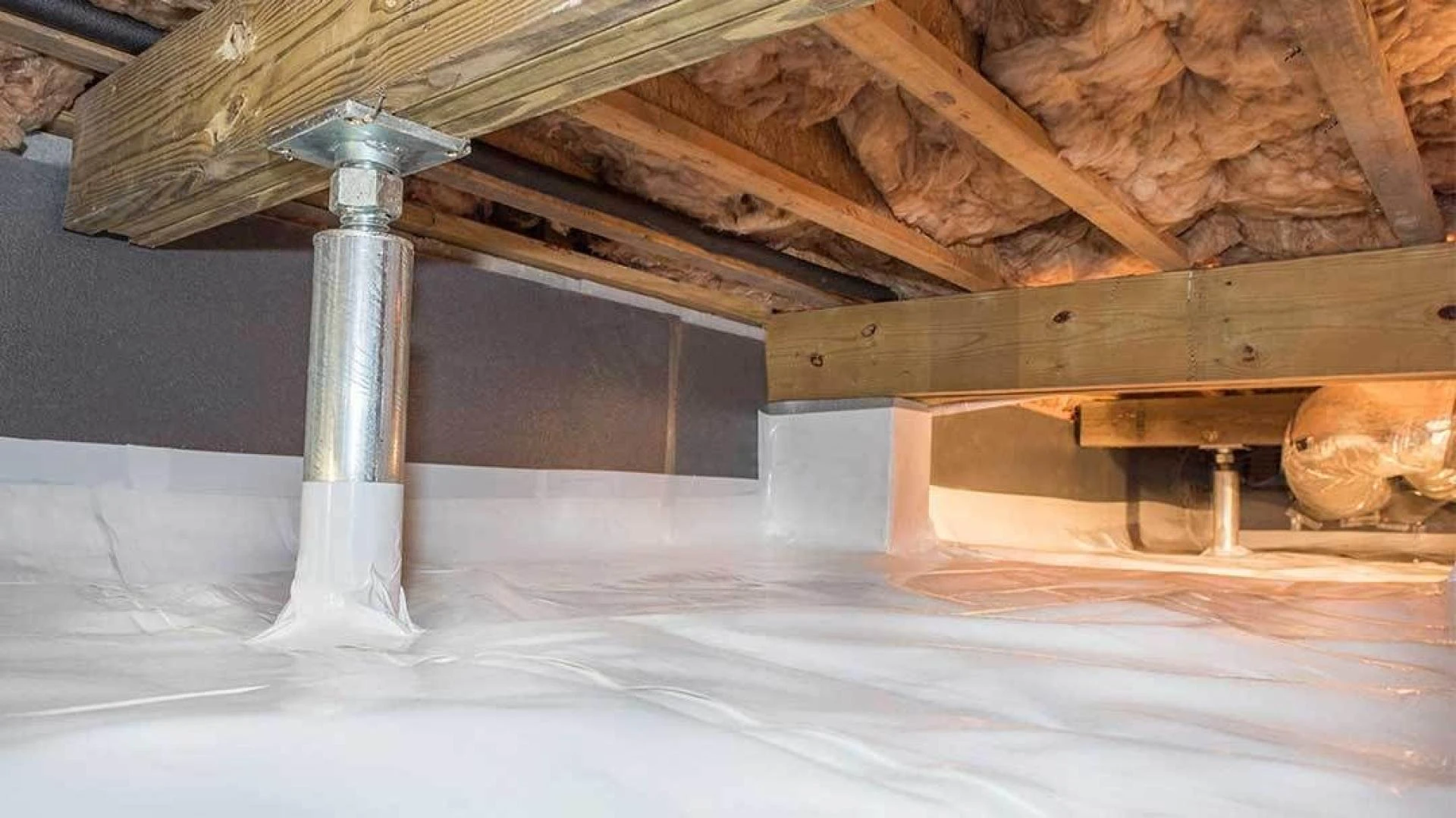
- Laying a heavy-duty vapor barrier across the entire dirt or gravel floor.
- Sealing all outside vents and air leaks.
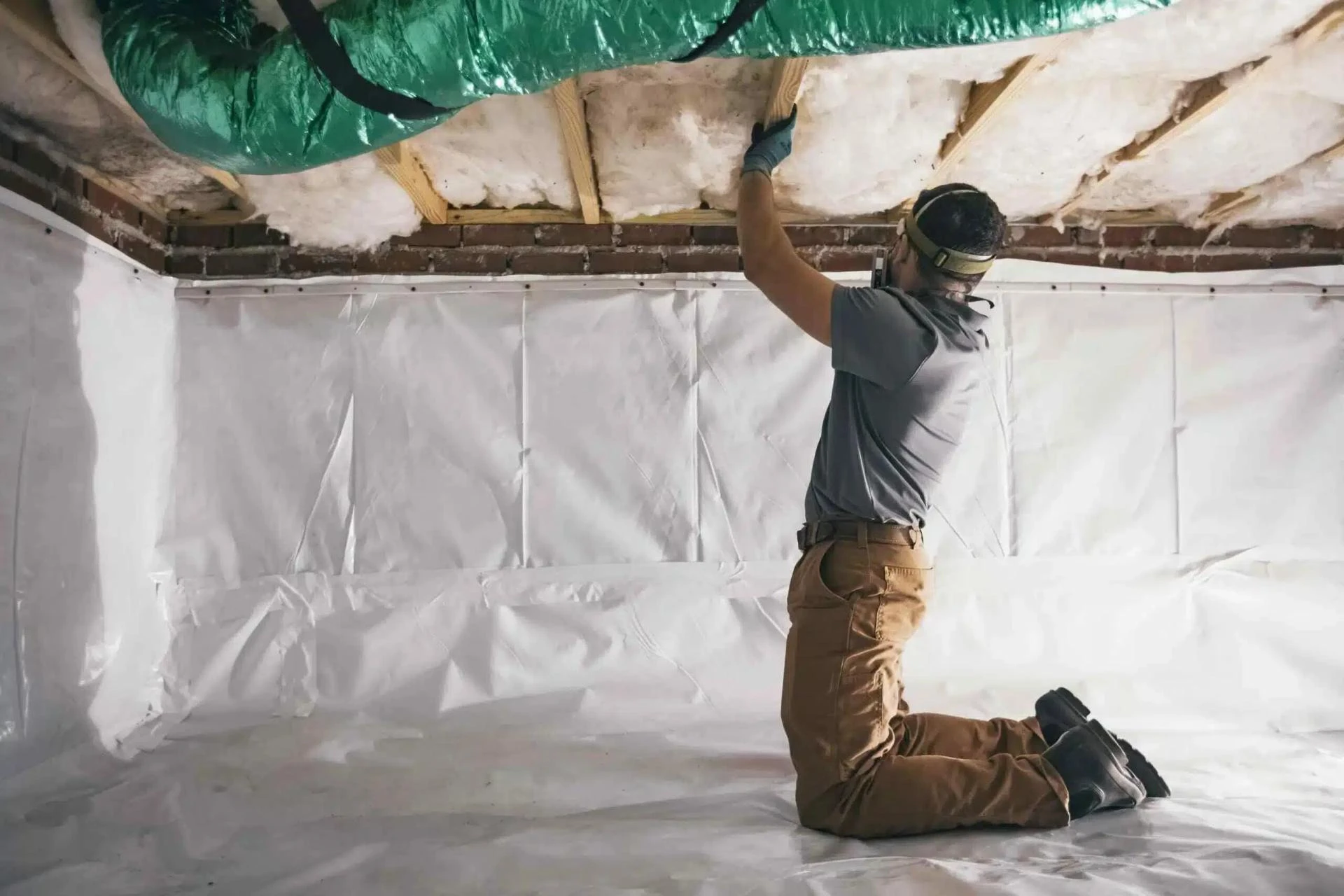
- Insulating the foundation walls and rim joists with a material that does not absorb water.
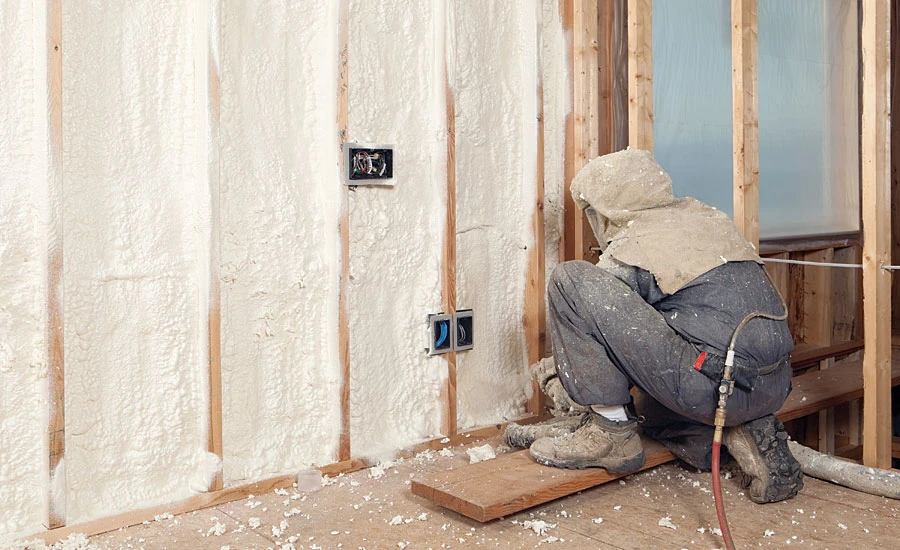
Closed-cell spray foam is excellent for this because it acts as insulation, an air barrier, and a vapor barrier all in one application. Rigid foam boards are also a great choice, with the seams taped to prevent air leakage. This method, often called crawl space encapsulation, turns a damp, dirty space into a clean, dry area that is more like a mini-basement.
Bonus Tip: Before sealing and insulating, it's a good idea to ensure the property has proper exterior drainage. Gutters and downspouts should direct water far away from the foundation to prevent any bulk water from getting into the crawl space.
Healthier Indoor Air Quality
Many people don't realize that a large portion of the air they breathe inside their home originates in the crawl space. Due to a phenomenon known as the "stack effect," air is naturally drawn upwards from the lowest levels of a house. If the crawl space is filled with mold spores, dust mite allergens, and damp, musty air, those contaminants are pulled directly into the living areas above.
By sealing the crawl space, modern insulation stops this upward flow of contaminated air. The air in the living space becomes cleaner and healthier, which can be a huge relief for family members with allergies, asthma, or other respiratory conditions. The musty smell that many homeowners simply learn to live with often disappears completely after a proper crawl space encapsulation.
Warmer Floors and Increased Energy Efficiency
One of the most immediate comfort benefits of crawl space insulation is the end of cold floors in the winter. When a floor is situated over a cold, vented crawl space, it acts like a giant radiator in reverse, constantly pulling heat out of the room. This makes the entire home feel colder and forces the heating system to work much harder to keep up.
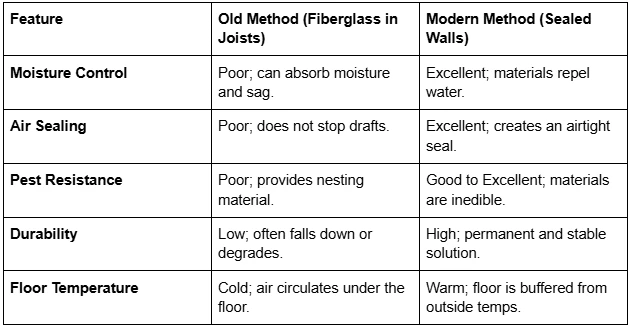
Insulating the crawl space walls instead of the floor joists helps to regulate the temperature of the entire space. The ground itself maintains a relatively stable temperature year-round, and by sealing the crawl space, you can use that to your advantage. The floors above will feel noticeably warmer and more comfortable underfoot, and the home's overall temperature will be more stable. This leads to direct energy savings, as the HVAC system won't have to run as often.
Here is a comparison of old and new methods:
Bonus Tip: When insulating a crawl space, don't forget the rim joist. This is the wooden perimeter that sits on top of the foundation walls. It is a major source of air leakage and heat loss and should be sealed and insulated, typically with spray foam.
 Things to Consider Before Starting the Project
Before you insulate your crawl space, the first step is to address any existing water problems. If you have standing water or leaks, those issues must be fixed first. This might involve improving drainage, installing a sump pump, or repairing plumbing.
Next, you'll need to decide on the right materials. While closed-cell spray foam offers top-tier performance, rigid foam boards can also be a very effective and slightly more budget-friendly option. It's best to discuss the pros and cons of each with a professional who understands local building codes and climate conditions.
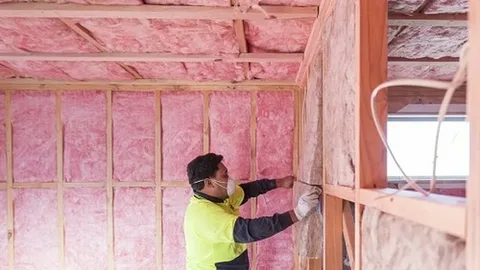
Finally, proper installation is key. This is not a simple DIY job, especially when dealing with air sealing and vapor barriers. A professional installer, like the teams at Makeover Insulation, will have the right tools and expertise to ensure the system works correctly. They can assess the space and recommend a complete solution that often includes a dehumidifier to actively manage humidity levels within the newly sealed space.
Common Questions About Crawl Space Insulation
What is crawl space encapsulation?
Encapsulation is the process of completely sealing the crawl space. This involves covering the ground with a thick vapor barrier, sealing the vents, and insulating the foundation walls. The goal is to separate the crawl space from the earth and the outside air.
Will sealing the vents cause any harm?
In the past, building codes required vents to allow moisture to dry out. However, building science has shown that in many climates, these vents let more moisture in than they let out. Sealing them is a standard and safe practice when done as part of a full encapsulation system.
Can I still use my crawl space for storage after it is sealed?
Yes, and it becomes a much better storage area. A clean, dry, encapsulated crawl space is a great place to store seasonal items without worrying about them getting ruined by moisture or pests.
How do I know if my current crawl space insulation is failing?
Look for insulation that is sagging, falling down, or appears wet or moldy. A musty smell in your home is also a strong indicator that there are moisture problems in the crawl space that the current insulation is not handling.
Is this a worthwhile investment?
For most homes with a crawl space, yes. The benefits to the home's structural health, the occupants' respiratory health, and overall comfort and energy efficiency provide a strong return on the investment over time.
A Foundation for a Healthier Home
Modern crawl space insulation materials offer a complete solution to problems that have affected homes for decades. By focusing on air sealing and moisture control, they create a space that is clean, dry, and healthy. This has a direct positive impact on the entire home above it. Before moving forward, homeowners should evaluate the current state of their crawl space and consider the long-term benefits of upgrading to a modern, sealed system especially when supported by professional insulation services that ensure proper installation and lasting performance.
Get a Professional Crawl Space Evaluation
To find out the best way to improve your crawl space, it's smart to have a professional take a look. An expert can identify moisture sources, check for existing damage, and recommend the right materials for the job. For a thorough assessment and professional installation services, homeowners can contact a company like Makeover Insulation. Their team can be reached by sending an email to [email protected] or by calling (470) 664-5300 to schedule a consultation.
Reviewer: Ava Clark shared her input based on 6 years of working with spray foam insulation teams. Her focus on customer trust and communication helped shape key parts of this post.




























Sign in to leave a comment.