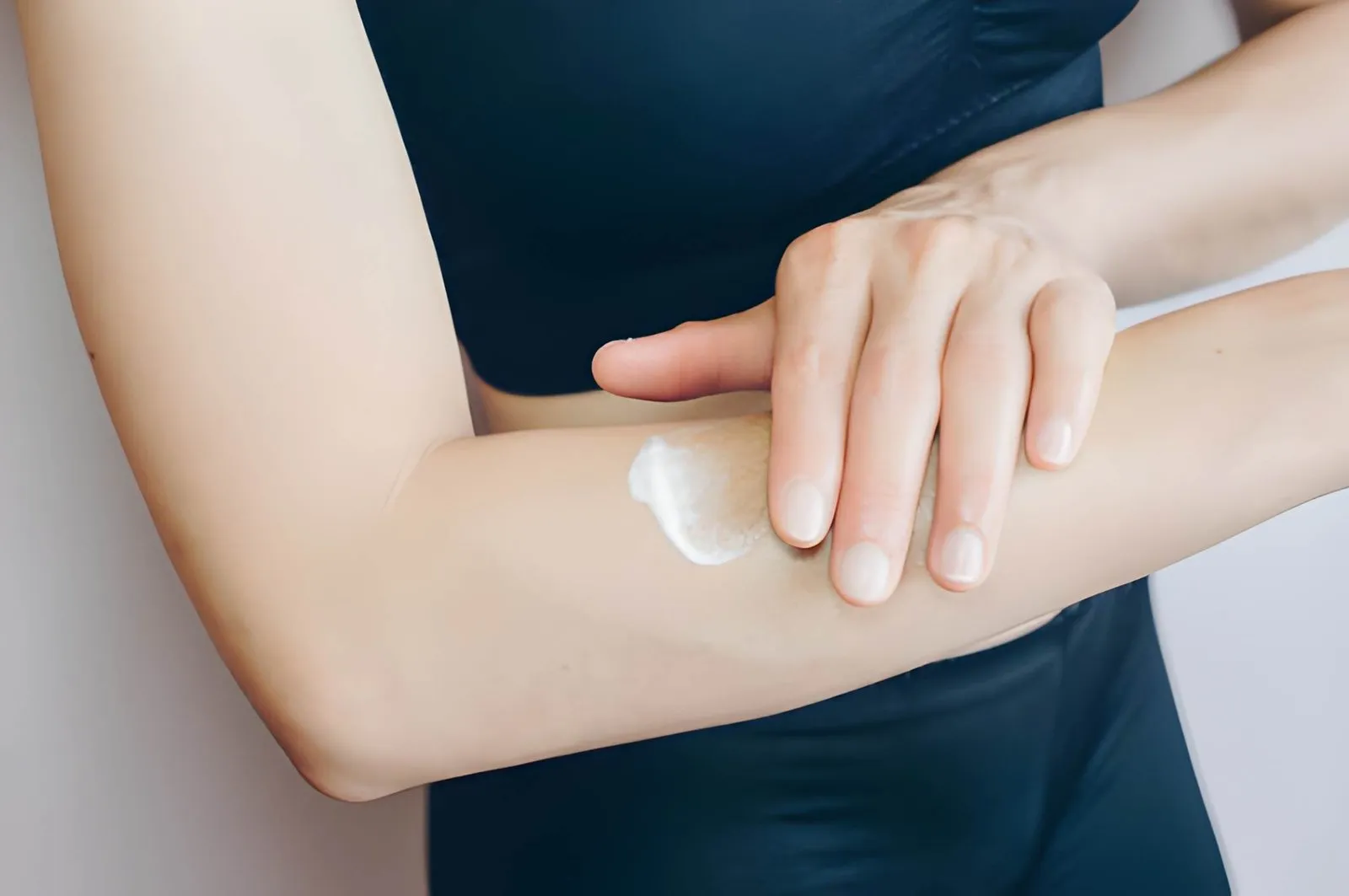

Walk into any gym locker room after a hard session and you'll spot it eventually: someone sitting on a bench, working something into their calves or shoulders before they even get to the shower.
More often than not, that something is a magnesium muscle cream, and once we started paying attention, we noticed it's become as much a part of the post-workout ritual as stretching or refilling a water bottle.
Why Athletes Reach for It Specifically
Training hard puts a real demand on muscles. Repeated contractions, especially under load, use up minerals fast, and magnesium is one of the key ones involved in helping a muscle release after it contracts. When that supply runs low from a tough session, muscles can feel tighter, more fatigued, and more prone to cramping in the hours afterward.
That's part of why a magnesium muscle cream has become such a fixture in gym bags. Instead of waiting for magnesium to work its way through the whole body from a meal or supplement, athletes can massage it directly into the muscle groups that just did the work hamstrings after a heavy squat day, forearms after a long climbing session, calves after a run.
The Session-End Ritual
We've noticed the routine tends to look pretty consistent across different sports and training styles:
Cool down first: A few minutes of light movement to bring the heart rate down before anything else.
Rehydrate. Water or an electrolyte drink to start replacing what was lost through sweat.
Stretch the muscles that worked hardest: Hold each stretch briefly rather than rushing through it.
Massage in a magnesium muscle cream: This is where a lot of athletes spend real time working it into sore spots with actual pressure, not just a quick swipe.
Refuel with a proper meal: Protein and carbohydrates to support the repair process ahead.
The massage step tends to get skipped by casual gym-goers in a hurry, but the athletes who take recovery seriously rarely cut it out. There's something to physically working a mineral-rich cream into tired muscle that a passive approach of just resting and hoping doesn't replicate.
Which Muscles Get the Most Attention
Not every muscle group gets equal treatment, and paying attention to where the load actually landed matters. Runners tend to focus on calves and shins, where repeated impact builds up tension fastest.
Lifters usually work through whatever muscle group carried the heaviest sets that day: quads after squats, lats and shoulders after a pulling session. Swimmers and climbers often find their forearms and shoulders need the most care, since those muscles rarely get a break during a session.
Figuring out which areas need the most attention isn't complicated it's usually obvious within an hour or two of finishing a session, once the initial adrenaline wears off and the tightness sets in. That's the window where working something into those specific spots tends to make the biggest difference, rather than waiting until the next morning when the muscle has already stiffened up further.
It's Not Just for the Elite
We used to think of this as something reserved for serious competitors with sponsorship deals and recovery budgets, but that's really not the case anymore.
Weekend runners, recreational lifters, and anyone doing physical work regularly can benefit from the same habit. A magnesium muscle cream doesn't require an athlete's schedule or an athlete's body; it just requires a few spare minutes after activity.
What Makes the Rub-In Step Matter
The massage itself is doing real work alongside the magnesium. Rubbing pressure into a tight muscle encourages blood flow back into the area, which helps flush out some of the byproducts that build up during intense effort. Pairing that motion with a magnesium muscle cream means the muscle is getting both mechanical and mineral support at the same time, right when it needs it most.
We've also found that consistency matters more than intensity here. A quick two-minute rub-down after every session tends to add up to more noticeable results over weeks than an occasional deep massage only when something already hurts badly.
Final Thought
The athletes who stick with this longest aren't necessarily doing anything complicated they've just made it automatic.
A magnesium muscle cream lives in the gym bag next to the shaker bottle, and using it after training becomes as unremarkable as lacing up shoes before a run. That's really the goal with any recovery habit: not something we have to talk ourselves into every time, but something built into the rhythm of training itself.
Sore muscles are part of pushing hard, and they're not something to fear. But giving them a little direct attention afterward, with a magnesium muscle cream worked into the spots that carried the most load, tends to make the days between sessions feel a lot less like recovery from an injury and a lot more like normal maintenance.
It's a small habit, but it changes the relationship we have with training. Instead of dreading the soreness that follows a hard session, we start to see it as something we already know how to handle.
That shift in mindset, more than anything, is probably why this particular ritual has stuck around in gyms and locker rooms for as long as it has and why it keeps earning a spot in the bag right next to the water bottle and the towel.


























Sign in to leave a comment.