
Introduction: Why the Gold Searcher Still Matters Today
From ancient riverbeds to modern digital mapping systems, the pursuit of gold has never truly stopped. The gold searcher is not just a relic of the past, but a modern explorer who blends tradition with advanced technology to uncover hidden treasures beneath the Earth’s surface. Today, this pursuit is driven by curiosity, economic opportunity, and technological innovation.
At its core, the concept of a gold searcher represents more than just finding precious metal. It reflects human ambition, persistence, and the continuous effort to unlock resources that shape economies and societies. As we move deeper into the 21st century, the methods may have evolved, but the motivation remains strikingly familiar.
Who Is a Gold Searcher?
A gold searcher is anyone who actively seeks out gold deposits using physical exploration, geological analysis, or technological tools. This can range from hobbyists panning in rivers to professional prospectors using satellite data and advanced detectors.
Importantly, the modern gold searcher operates in a highly informed environment. Instead of relying solely on luck, today’s searchers depend on data-driven insights, mineral mapping, and geophysical surveys. This shift has transformed gold searching into a blend of science, strategy, and skill.
Moreover, the role of a gold searcher is not limited to individuals. Mining companies, research teams, and even governments employ large-scale exploration programs aimed at identifying viable gold deposits efficiently and responsibly.
Tools and Technologies Used by the Gold Searcher
The evolution of technology has completely reshaped how a gold searcher works. Where once simple pans and shovels were enough, today’s tools are far more advanced.
Metal Detectors and Sensors
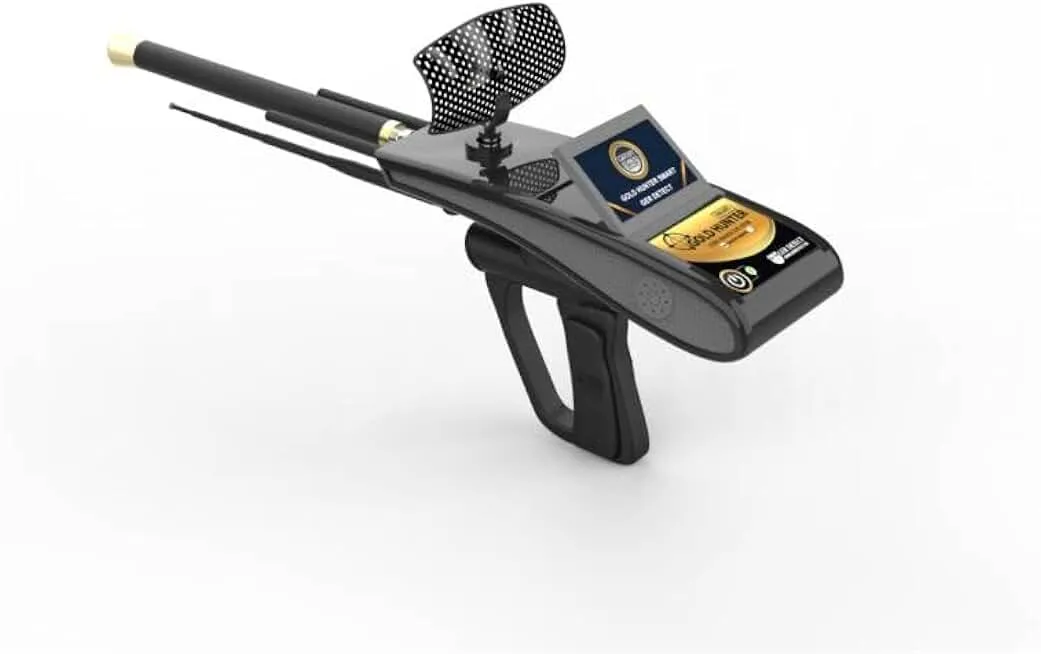
One of the most recognizable tools is the metal detector. Modern devices used by a gold searcher can distinguish between different types of metals, reducing wasted effort and increasing accuracy. Some high-end detectors even use pulse induction technology to detect gold at greater depths.
Geological Mapping and Satellite Imaging
Another powerful advancement is satellite imaging. A gold searcher can now analyze geological formations from above, identifying areas with high mineral potential. Combined with Geographic Information Systems (GIS), these tools allow for precise targeting of exploration zones.
Geochemical Analysis
Soil and rock samples are often analyzed in laboratories to detect traces of gold and associated minerals. This helps the gold searcher narrow down regions that are most likely to yield results.
Drones and Remote Exploration
Drones have added another layer of efficiency. They allow a gold searcher to survey difficult terrain, capture high-resolution images, and collect data without physically entering hazardous areas.
Together, these technologies have transformed gold searching into a highly strategic and data-driven field.
Techniques Used in Modern Gold Searching
While tools are essential, techniques define success. A skilled gold searcher relies on a combination of scientific understanding and practical experience.
Placer Mining
This is one of the oldest methods still used today. A gold searcher sifts through river sediments where gold naturally accumulates due to water movement. Even with modern upgrades, the principle remains simple and effective.
Hard Rock Prospecting
In contrast, hard rock mining involves extracting gold from solid rock formations. A gold searcher in this field must understand geology deeply, identifying quartz veins and mineral-rich zones.
Stream and Sediment Sampling
By collecting samples from streams, a gold searcher can trace gold particles back to their source. This method is particularly useful in early-stage exploration.
Data-Driven Exploration
Modern techniques also include analyzing large datasets. A gold searcher might study seismic activity, rock density, and mineral distribution patterns to predict where gold is likely to be found.
As a result, gold searching today is a balance between fieldwork and analytical reasoning.
Challenges Faced by a Gold Searcher
Despite technological advancements, the journey of a gold searcher is not without obstacles.
Environmental Conditions
Rough terrains, extreme weather, and remote locations make exploration physically demanding. A gold searcher often works in isolated areas where survival skills are just as important as technical knowledge.
Financial Costs
Advanced equipment and exploration projects require significant investment. Many gold searchers face financial risks, especially when exploration does not lead to discovery.
Legal and Regulatory Barriers
Mining laws vary across regions. A gold searcher must navigate permits, environmental regulations, and land ownership rights before beginning exploration.
Uncertainty of Discovery
Perhaps the greatest challenge is uncertainty. Even with advanced tools, there is no guarantee that a gold searcher will find viable deposits. This unpredictability is part of what makes the field both exciting and risky.
Environmental and Ethical Considerations
In the modern era, a responsible gold searcher must also consider environmental impact. Gold exploration can disturb ecosystems, affect water quality, and alter landscapes.
Sustainable practices are now a major focus. A gold searcher working ethically will often follow guidelines such as:
- Minimizing land disturbance
- Restoring exploration sites after use
- Avoiding contamination of water sources
- Respecting local communities and indigenous lands
These practices ensure that gold searching does not come at the cost of environmental degradation. Increasingly, companies and individuals are held accountable for maintaining ecological balance while pursuing natural resources.
The Future of the Gold Searcher
Looking ahead, the role of the gold searcher is expected to become even more technologically advanced and environmentally conscious.
Artificial intelligence will likely play a major role in predicting gold deposits by analyzing geological data faster and more accurately than humans. Machine learning models could help a gold searcher identify patterns that were previously invisible.
Additionally, robotics and autonomous drilling systems may reduce the need for human presence in dangerous environments. This will not only improve safety but also increase efficiency.
At the same time, sustainability will continue to shape the future. A gold searcher of tomorrow will likely operate under stricter environmental regulations and rely on greener mining technologies.
Ultimately, the future of gold searching lies in the balance between innovation and responsibility.
Conclusion: Redefining the Gold Searcher in a Changing World
The journey of a gold searcher has evolved from simple river panning to a sophisticated, technology-driven discipline. Yet despite all the advancements, the core motivation remains unchanged: the desire to uncover something valuable hidden beneath the surface.
As tools become more powerful and data more precise, the line between science and exploration continues to blur. However, this progress also raises important questions about sustainability, ethics, and the long-term impact of resource extraction.
Looking forward, one must ask: will the future gold searcher be defined more by technology than human intuition, or will the most successful discoveries always require a balance of both? In exploring that question, we are also exploring the future of how humanity interacts with the natural world—and what we choose to take from it.






























Sign in to leave a comment.