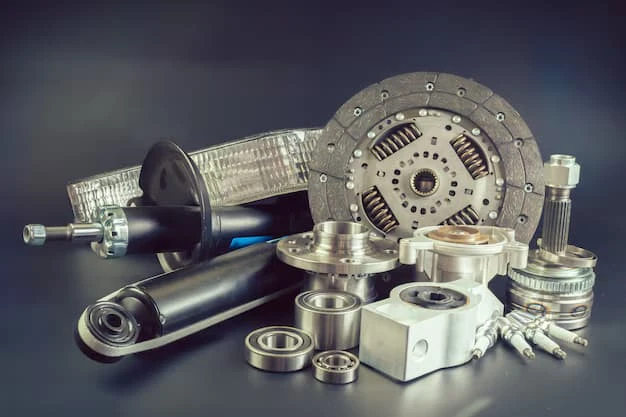

Toyota vehicles are renowned for their reliability, longevity, and performance. However, like any car, certain parts will inevitably wear out over time. Knowing the most common Toyota car parts that need replacing can help drivers take proactive steps in maintaining their vehicles. Timely replacements not only ensure optimal performance but also help avoid costly repairs down the road. In this article, we will explore the most frequently replaced Toyota car parts and provide tips on how to manage them effectively.
1. Brake Pads
The Importance of Brake Pads
Brake pads are among the most frequently replaced parts in any vehicle, including Toyotas. These components are responsible for providing the friction needed to stop the vehicle, and over time, the friction material naturally wears down.
Signs That Brake Pads Need Replacing
The most common sign of worn-out brake pads is a squealing or grinding noise when applying the brakes. If the pads are significantly worn, you may also experience longer stopping distances, increased pedal travel, or vibrations while braking. Regular inspection and replacement every 30,000 to 70,000 miles can help keep the braking system in top condition.
2. Air Filters
The Role of Air Filters
Air filters are critical for maintaining the engine's performance. They prevent dirt, debris, and other contaminants from entering the engine, ensuring that it receives clean air for combustion. A clogged air filter can lead to reduced engine efficiency and poor fuel economy.
When to Replace the Air Filter
Toyota recommends replacing the air filter every 15,000 to 30,000 miles, but this can vary depending on your driving conditions. If you notice a decrease in engine performance or fuel efficiency, it may be time to inspect and replace the air filter.
3. Tires
Why Tires Need Replacing
Tires are essential for vehicle safety and performance. Over time, they wear down due to constant contact with the road. As tire tread depth decreases, grip and traction are compromised, which can lead to unsafe driving conditions, especially in wet or icy weather.
Signs of Worn Tires
Tires should be replaced when the tread depth reaches 2/32 of an inch. You can check this using a tread depth gauge or the penny test. Look for signs of uneven wear, cracks, bulges, or punctures as well. Replacing tires every 40,000 to 70,000 miles, depending on the tire brand and driving conditions, is typically recommended.
4. Timing Belt
The Role of the Timing Belt
The timing belt ensures that the engine's valves and pistons work in harmony. If the timing belt fails, it can cause serious engine damage. This is why it is considered a crucial part of regular vehicle maintenance.
When to Replace the Timing Belt
Toyota recommends replacing the timing belt every 60,000 to 100,000 miles. If you hear a high-pitched whining sound from the engine or notice engine misfires, it could be an indication that the timing belt is worn and may need to be replaced sooner.
5. Battery
Why Car Batteries Fail
Car batteries lose their ability to hold a charge over time due to age, extreme weather conditions, or electrical malfunctions. A failing battery can cause your car to start slowly, or even fail to start at all.
Symptoms of a Weak Battery
Slow engine cranking, flickering dashboard lights, and electrical issues are common signs of a failing battery. Car batteries generally need replacement every 3 to 5 years, depending on climate conditions and driving habits.
6. Spark Plugs
The Function of Spark Plugs
Spark plugs are responsible for igniting the air-fuel mixture inside the engine’s cylinders. As they age, they can become covered in carbon deposits, leading to misfires, reduced engine efficiency, and difficulty starting the car.
When to Replace Spark Plugs
Spark plugs should be replaced every 30,000 to 100,000 miles, depending on the type used in your Toyota. If you experience rough idling, poor acceleration, or decreased fuel economy, it may be time to replace the spark plugs.
7. Windshield Wipers
Why Windshield Wipers Wear Out
Windshield wipers are essential for maintaining clear visibility during rainy or snowy weather. Over time, the rubber on wiper blades deteriorates, causing them to streak or leave areas of the windshield unclear.
Signs That Wipers Need Replacing
If your wipers leave streaks, skip across the glass, or make a loud squeaking sound, it’s time for a replacement. Wiper blades should be replaced every 6 to 12 months, depending on weather conditions and frequency of use.
8. Alternator
The Importance of the Alternator
The alternator is responsible for charging the battery and powering the vehicle's electrical systems. Without a functioning alternator, the battery will quickly drain, causing a total loss of power and leaving you stranded.
Symptoms of a Failing Alternator
Dim headlights, warning lights on the dashboard, and electrical malfunctions such as power windows not working properly are signs that your alternator may be failing. It is important to replace the alternator immediately to prevent complete electrical failure.
9. Fuel Pump
The Role of the Fuel Pump
The fuel pump is responsible for transferring fuel from the tank to the engine. If the fuel pump fails, it can prevent the car from starting or cause it to stall while driving.
Signs of a Faulty Fuel Pump
Difficulty starting the car, sputtering at high speeds, or a loss of power while driving are common signs of a failing fuel pump. Toyota vehicles may need a fuel pump replacement after 100,000 miles, but regular inspection can help prevent unexpected issues.
10. Suspension System Components
The Function of Suspension Parts
The suspension system plays a key role in maintaining vehicle stability and ride comfort. It absorbs shocks and helps keep the vehicle's tires in contact with the road. Worn-out suspension components can lead to poor handling, an uncomfortable ride, and uneven tire wear.
Symptoms of Worn Suspension Components
If you notice excessive bouncing, a rough ride, or difficulty steering, it could be time to replace components such as shocks, struts, or bushings. Regular inspections and maintenance can help prolong the life of your suspension system.
Conclusion
Maintaining a Toyota involves regular inspections and timely replacements of key car parts to keep the vehicle running efficiently. From brake pads to the timing belt, knowing when these common parts need replacing can help prevent unnecessary breakdowns and extend the life of the vehicle. For any parts replacement or maintenance needs, Nashville Toyota North is always available to assist you.
































Sign in to leave a comment.