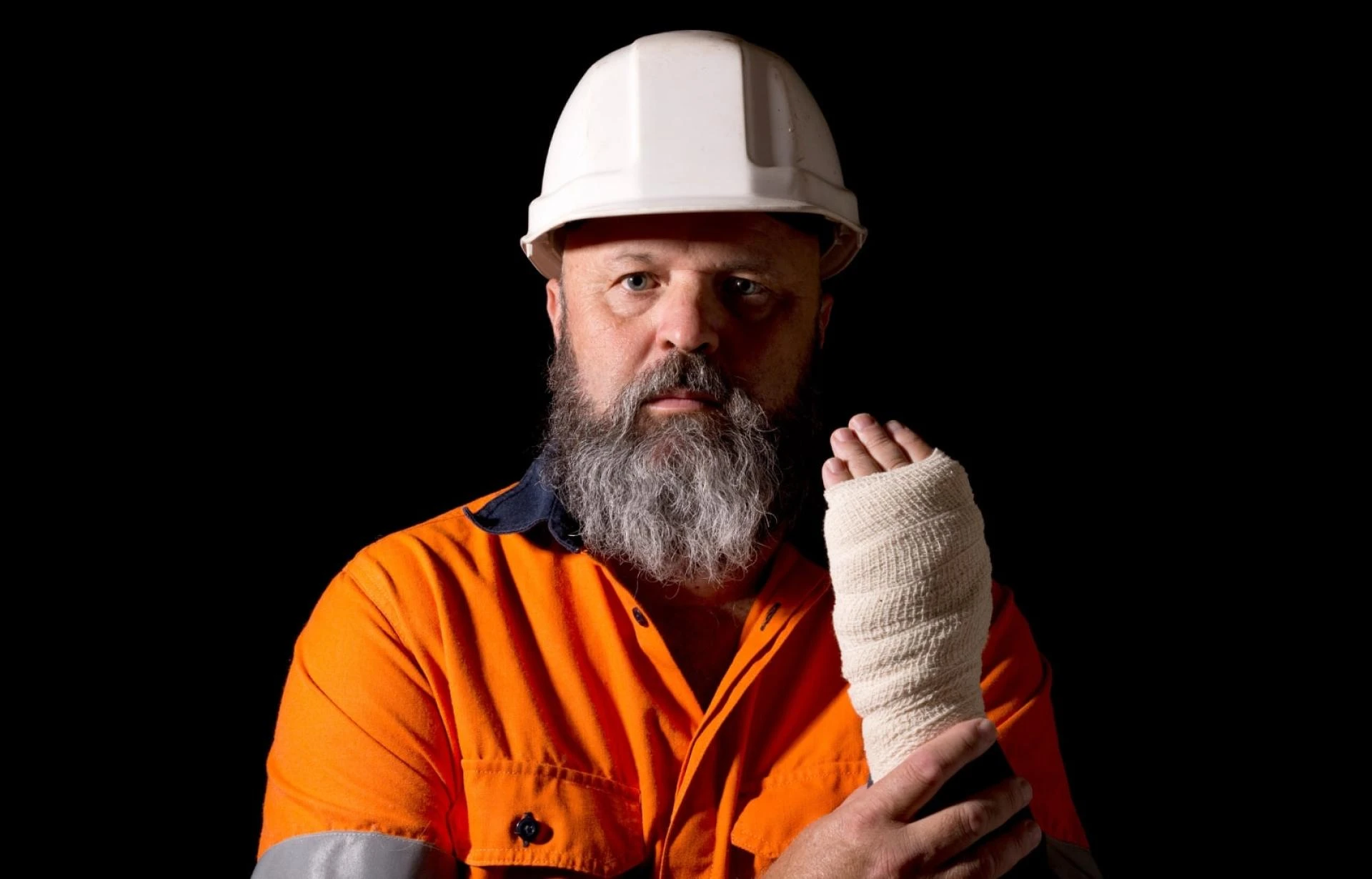

Due to increased occupational health and safety measures, the rates of the most frequent work-related accidents and fatalities have declined over time. The number of daily workplace deaths has decreased from 38 per day in 1970 to 15 per day in 2019, according to the Safe Work Australia (SWA), but there is still a long way to go before it reaches zero. The three most common causes of industrial accidents are overexertion, equipment contact, and slips, trips, and falls. By exercising adequate caution and abiding by SWA's regulations, the majority of these injuries may be avoided.
For many of us, our jobs are a big part of our lives. We spend a lot of time at work, and so it’s important to be safe while we’re there. Unfortunately, accidents and injuries can happen even in the safest workplaces. In this blog post, we’ll take a look at some of the most common workplace injuries and accidents that occur around the world. With this information, you can be more prepared and vigilant about avoiding these hazards in your own workplace. Let’s get started!
Vehicle Accidents
Driving for a living exposes one to careless motorists, bad weather, and defective auto parts. Accidents involving cars and trucks may be caused by all those variables. There is a significant danger of injury in collisions for workers who spend their days near moving automobiles. An employee may, for instance, be struck by a tractor while working on a construction site, or they could run into a forklift while working in a factory or warehouse.
Companies should promote safe driving practises, with a focus on defensive driving and a firm, enforced prohibition on distracted driving. The carelessness of someone other than a coworker or employer, however, might occasionally cause a motor vehicle accident. Should that take place, you might be eligible to file a third-party claim. This kind of claim may result in compensation that is far more generous than what is offered through workers' compensation.
Stumbles, Falls And Slips
You're likely to come across slick surfaces at some time regardless of your specific work environment, whether you work in a shop, a factory, or an office, so the prospect that you may trip over one is not entirely remote. Falling when working at a height is another major risk for many; falls from ladders are the most frequent, but falls from scaffolding and other platforms can also be hazardous.
Slip-and-fall accidents can be caused by a variety of things in the workplace, such as slippery flooring or frozen surfaces, wires and garbage that are dispersed, uneven or unstable walking surfaces, and inadequate illumination. Broken bones, traumatic brain injury, spinal cord injury, and soft tissue damage like a torn or strained ligament are just a few of the serious ailments that can result from a fall. Many slips and falls may be avoided. Employers should provide personnel with the tools and training they need to quickly clean up spills, debris, and tracked-in slush or rain. Uneven decks, flooring, and other risks that cannot be immediately fixed should be marked by facility management. Additionally, businesses have to use non-slip mats in doors and other locations where the ground can get slick.
In the construction sector, falls are the main reason for worker fatalities. Every day, there is a chance that a construction worker might fall from a roof, a ladder, a scaffold, a platform, a stairwell, or another raised or elevated surface. These accidents frequently result from unsafely installed safety devices and inadequately constructed or used structures. Workers who work at specific heights or above specific categories of hazardous apparatus and equipment must wear fall protection, per SWA, in order to prevent these incidents. Fall-related injuries can be decreased by safety training and careful staff behaviour.
Fire, Explosions And Electrocution
Your bodily tissue can be burned by fires and explosions, which can also seriously harm your respiratory system and perhaps disfigure you. Depending on how near you are to the explosion, this form of industrial accident has the greatest fatality rate. According to how much damage an explosion does to your body, there are four different sorts of injuries.
The primary blast, which is the harm brought on by the blast wave particular to high order explosions, comes first. The next type of explosion is known as a secondary blast, which causes damage from flying debris or items. secondary blast, injuries brought on by being displaced through the air, or a building collapsing. Quaternary explosion, any other injuries like as burns, radiation, and breathing hazardous chemicals, as well as crush injuries
Working close to exposed cords or wires puts workers at risk for electrocution-related accidents. The same is true with damaged electrical outlets. Working near electricity lines or running into subterranean wires while excavating might lead to electrocution in rare instances. Employers must ensure that all electrical risks are recognised and that workers are given the appropriate cautions.
Muscle Strains And Overexertion
The most frequent reasons for work-related injuries include tasks involving pulling, lifting, pushing, holding, carrying, and throwing. One occurrence might result in overexertion injuries. They may also develop over time or as a result of consistently doing the same demanding activity over a long period of time. Muscles, tendons, or ligaments might be hurt if a worker trips or slides without falling. Overexertion can result in physical injury that lasts a lifetime, from lower back problems to chronic joint discomfort from wear and tear. Employers should instruct staff on how to carry out physical duties safely, such as heavy lifting, to prevent overexertion. Additionally, they need to provide workers enough break time and accessibility equipment.
Anyone who frequently lifts heavy objects at work is likely already aware that strained muscles are another typical work-related ailment. Work-related injuries, in particular back and neck strains, happen much too frequently. These accidents are entirely preventable; all it takes is some simple instruction in safe lifting methods.
Make sure you get regular breaks, that you take advantage of them to relax and stretch, and that you use the mechanical lifting equipment to lift anything more than 50 pounds in order to prevent overexertion and lower your chance of suffering long-lasting physical injury. Do not hesitate to go to a nearby urgent care centre if you are feeling any pain or discomfort from overexertion. If an injury is left untreated, it may worsen over time and cause you more problems.
Struck By Personnel, Machinery Or Things Falling
A person or piece of equipment can injure themselves seriously if they are struck by anything that has fallen from the ceiling or is hurled. Blunt-force trauma, which includes fractures, internal organ damage, eye injuries, cuts, and bruises, can be caused by falling, flying, rolling, swinging, or rolling items. Head injuries are the most frequent damage brought on by falling objects. Safe material storage and stacking as well as the placement of caution signs in areas where falling debris is expected can reduce the risk of struck-by accidents. The usage of protective gear like hard helmets and eye shields by personnel should be monitored by management.
In addition, this is a problem that doesn't simply occur in locations like warehouses; many workers find themselves on the receiving end of falling goods. In particular, if the person who ends up receiving the full force doesn't see it coming, objects that fall from shelves or out of cupboards might result in some terrible injuries. To a large extent, this danger may be diminished by offering sufficient storage cages and instructing staff on how to store things properly.
Crashes And Collisions
An employee who inadvertently bumps into or is forced into a door, cabinet, window, piece of equipment, or a moving vehicle might get head, knee, neck, or foot injuries. These mishaps can occasionally be attributed to workers' simple inattention to their surroundings. For instance, in Australia, where mobile phone usage has surged eight-fold over the past 15 years, there have been more incidents of people walking into walls and other immovable objects as a result. Companies could mandate that employees maintain a clutter-free workspace with clearly identified dangers and impediments in order to lower the likelihood of these mishaps. Additionally, businesses should have procedures in place that forbid employees from using their phones to make calls or send texts while performing work-related tasks.
Crash or impact injuries are a common effect of workplace accidents as well. They can result in potentially unpleasant results whether they involve automobiles, lorries, or even smaller vehicles like forklift trucks. Therefore, it is the responsibility of employers to make sure that safety measures like seatbelts are available and used as necessary. Make sure to use your seatbelt and follow any other safety procedures that have been established by your workplace when operating any form of motorised vehicle.
Exposure To Dangerous Substances
Those who work in noisy workplaces or around dangerous chemicals run the risk of suffering serious damage to their hearing, eyes, skin, and respiratory systems if they are exposed to these conditions without the appropriate protection. When exposed to dangerous compounds or loud noises, make sure you are familiar with any chemical safety data sheets and that you are wearing the appropriate ear protection, safety goggles, gloves, and any other PPE that may be necessary. The symptoms and indicators of bleach poisoning should be understood by anybody who interacts with or is in close proximity to heavy-duty cleaning workers.
Even while the majority of us don't deal with dangerous chemicals on a daily basis, those of us who do run the risk of experiencing skin or eye responses as well as more serious ailments if we are exposed to them without protection. Employers must be sure to give employees the tools they need to protect themselves from hazardous exposure. Protective gear, such as safety goggles, is essential in these circumstances.
Violence And Other Injuries
When disagreements between co-workers occur at work, violence may result. A domestic abuse situation may be brought up by a worker at work. Delivery persons and other employees that interact with the public may experience dog attacks in addition to assaults from other people or other workers. Employers should educate staff members about violence, provide avenues for reporting questionable behaviour, and promote such conversations.
Even though we'd all prefer to believe that workplace conflict doesn't exist, it actually exists. Compounding stress and tension can escalate to an angry confrontation with a client or employee, which can end in harassment, intimidation, and even physical violence. Foresters, people who work on farms, and those who operate in other settings where animals, including dogs, are present may be concerned about injuries brought on by animals.
Setting a zero-tolerance policy that applies to everyone who interacts with corporate workers is one of the greatest strategies for an employee to prevent workplace violence. By dressing appropriately, according to your employer's rules, and remaining vigilant at all times while dealing with animals, you can minimise damage.
Rounding Up
Physically and emotionally debilitating workplace injuries are possible. If you’ve been injured at work, it’s important to seek medical attention and then contact a workplace injury management company as soon as possible. At Framework Group, we have years of experience helping people just like you get back on your feet after an accident. We offer a range of services including case management, rehabilitation, return-to-work planning, and more. Don’t suffer in silence – Contact us today for help recovering from your workplace injury.
0










Sign in to leave a comment.