

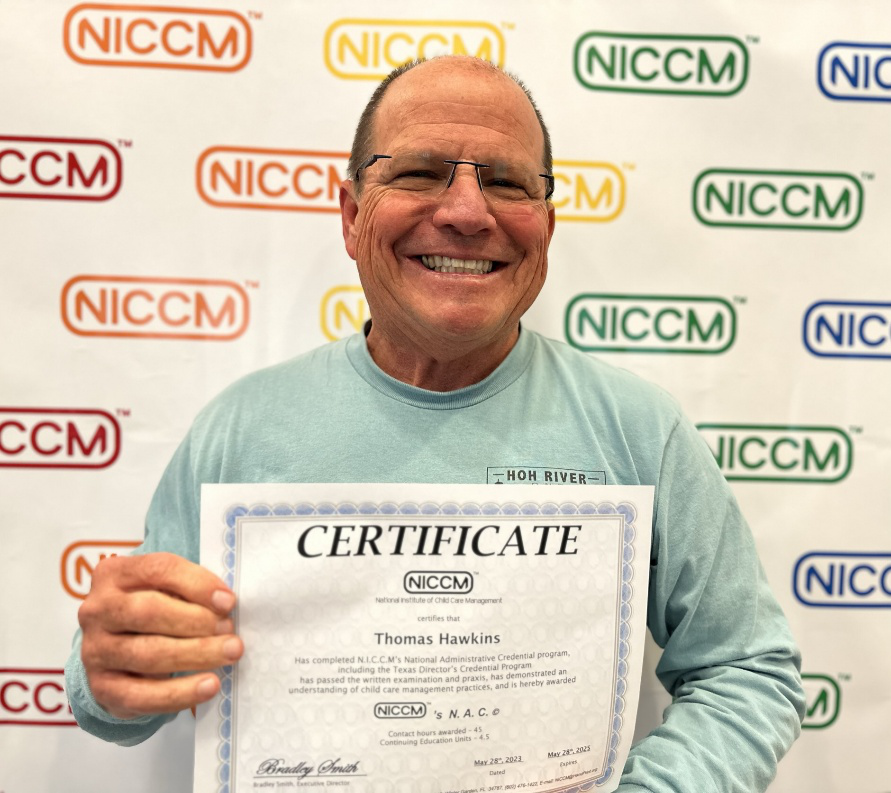
A thriving childcare center grows from strong leadership, clear communication, and a director who knows how to support a team through challenges big and small. That is exactly why so many programs across Florida rely on directors who have completed the National Administrative Credential. The NAC turns daily operations into purposeful, people-centered leadership. When teachers feel valued and supported, the entire center transforms, from morale to retention to overall program quality.
Leadership Training That Builds Confidence, Not Pressure
The NAC curriculum helps directors move well beyond task-based management. Instead, the training focuses on practical leadership strategies that build confidence in both new and experienced administrators. This training is especially valuable for individuals stepping into roles such as childcare director, where the balance between administrative duties and staff mentorship is crucial.
NAC-certified directors learn how to guide teams through conflict resolution, daily communication, and clear expectations—all things teachers consistently rank as essential for a positive workplace. When leadership becomes steady and consistent, classrooms become calmer, teachers stay longer, and families recognize the stability from the moment they walk in.
Reducing Turnover Through Supportive Management
Teacher turnover remains one of the biggest challenges in childcare today. High workloads, unclear expectations, and limited support often lead to burnout. NAC training addresses this issue directly by helping directors establish systems that support teachers rather than overwhelm them.
Directors who complete the NAC are better equipped to structure staff schedules, delegate responsibilities appropriately, and create transparent processes. This leads to teams that feel heard, respected, and motivated—qualities every center needs to maintain long-term stability. These leadership techniques align naturally with advanced professional pathways like early childhood director certification, making the NAC a strong foundation for directors pursuing ongoing growth.
The Ripple Effect of Strong Leadership
When directors apply NAC strategies, the workplace shifts in noticeable ways. Teachers communicate more openly. New staff feel welcomed instead of overwhelmed. Families experience smoother interactions at drop-off and pick-up. Even classrooms become more peaceful as teachers benefit from consistent guidance.
This ripple effect improves retention, protects program culture, and ultimately enhances the daily experience for children. In a field where stability matters deeply, directors with strong administrative training make all the difference.
The National Institute of Childcare Management (NICCM) offers a nationally-respected NAC program, helping hundreds of childcare professionals grow into leadership roles. With flexible online programs as well as in-person sessions in Jacksonville and Orlando, their programs are strengthen leadership and build better childcare workplaces across Florida. Enroll now to step into the next chapter of your childcare career
Author Bio
The author is a childcare leadership writer and early childhood workforce advocate with over a decade of experience highlighting professional development strategies for teachers and administrators. She specializes in topics related to director training, credentialing pathways, and quality improvement across early learning programs. She regularly collaborates with training institutes to help educators make informed decisions about certification, career growth, and long-term leadership success.




























Sign in to leave a comment.