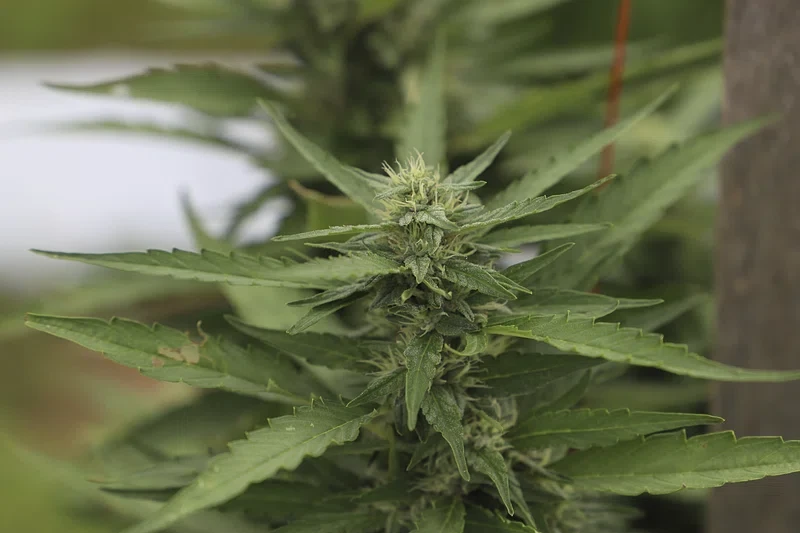

In recent years, the perception and utilization of cannabis in the pharmaceutical industry have undergone a significant transformation. Once stigmatized and relegated to the fringes of medicine, cannabis is now gaining recognition for its potential therapeutic benefits. This article delves into the evolving landscape of cannabis in pharmaceuticals, examining its current status, potential applications, and the regulatory framework shaping its future.
Understanding Cannabis:
Cannabis, commonly referred to as marijuana, is a plant that contains numerous compounds, notably cannabinoids. Among these, tetrahydrocannabinol (THC) and cannabidiol (CBD) are the most well-known. These cannabinoids interact with the body\'s endocannabinoid system, which plays a crucial role in regulating various physiological processes, including mood, pain sensation, appetite, and memory.
The Rise of Medicinal Cannabis:
Historically, cannabis has been used for medicinal purposes for centuries. However, its therapeutic potential gained renewed attention with the discovery of the endocannabinoid system in the late 20th century. Since then, research into the medical applications of cannabis has accelerated, leading to the development of pharmaceutical formulations containing cannabinoids.
Applications in Pharma:
The potential uses of cannabis-derived compounds in pharmaceuticals are diverse and promising. Some of the areas where cannabis shows therapeutic potential include:
- Pain Management: Cannabinoids have demonstrated analgesic properties, offering relief from chronic pain conditions such as neuropathy, arthritis, and cancer-related pain.
- Neurological Disorders: CBD, in particular, has shown promise in the treatment of neurological disorders like epilepsy, multiple sclerosis, and Parkinson\'s disease, with studies suggesting it may help reduce seizure frequency and improve motor symptoms.
- Mental Health: Preliminary research indicates that cannabinoids could have anxiolytic and antidepressant effects, offering a new avenue for the treatment of mood disorders such as anxiety and depression.
- Cancer Supportive Care: Cannabis-derived products have been explored for their potential to alleviate symptoms associated with cancer and its treatment, including nausea, vomiting, and loss of appetite.
Regulatory Landscape:
Despite the growing evidence supporting the therapeutic benefits of cannabis, regulatory frameworks governing its use remain complex and vary significantly across jurisdictions. In many countries, cannabis is classified as a controlled substance, imposing restrictions on its cultivation, distribution, and use for medical purposes. However, an increasing number of regions have legalized medical cannabis and established regulatory frameworks to govern its production and distribution.
Navigating SEO and Google Guidelines:
When discussing cannabis-related topics, it\'s essential to adhere to SEO best practices and Google\'s guidelines to ensure visibility and compliance. Here are some tips:
- Keyword Optimization: Use relevant keywords such as "medicinal cannabis," "cannabis pharmaceuticals," and "cannabinoid therapies" strategically throughout the article to improve search engine visibility.
- Quality Content: Provide valuable, informative content that addresses the needs and interests of your target audience. Ensure accuracy, credibility, and originality in your writing.
- User Experience: Optimize the article for readability and accessibility, with clear headings, concise paragraphs, and engaging multimedia elements. Mobile responsiveness is also crucial for a seamless user experience.
- Authority and Trustworthiness: Demonstrate expertise and authority on the topic by citing reputable sources, referencing scientific studies, and avoiding sensationalism or unsubstantiated claims.
Conclusion:
The future of cannabis in pharmaceuticals is brimming with potential, offering new avenues for the treatment of various medical conditions. As research continues to unravel the therapeutic properties of cannabinoids, navigating the evolving regulatory landscape will be essential for realizing the full benefits of medicinal cannabis.


























Sign in to leave a comment.