

The Portuguese language, one of the most spoken languages globally, reflects a deep and vibrant cultural history. Originating from the Iberian Peninsula, it has transcended continents, evolving into a linguistic thread that connects over 250 million speakers worldwide. Its influence spans Europe, South America, Africa, and parts of Asia, establishing itself as a cornerstone of global communication and cultural exchange.
The Origins of the Portuguese Language
Portuguese has its roots in Latin, brought to the Iberian Peninsula by Roman settlers over two millennia ago. Over centuries, it absorbed influences from various groups, including the Visigoths and Moors, resulting in a unique blend of linguistic elements. By the 13th century, Portuguese had developed into a distinct language, officially recognized in 1290 by King Denis of Portugal, who established its use in administrative and literary contexts.
Global Expansion and the Age of Discoveries
The Age of Discoveries marked a pivotal era for the Portuguese language. As Portuguese explorers ventured into uncharted territories during the 15th and 16th centuries, they brought their language with them. This period saw Portuguese establishing itself in Brazil, Africa, and parts of Asia, creating a linguistic diaspora that remains vibrant today.
In Brazil, Portuguese underwent significant adaptations, evolving into Brazilian Portuguese. Similarly, in countries like Angola, Mozambique, and East Timor, Portuguese blended with local dialects, creating rich linguistic tapestries unique to each region.
Modern-Day Portuguese and Its Dialects
Today, Portuguese thrives as an official language in nine countries, collectively known as the Community of Portuguese Language Countries (CPLP). These nations share a linguistic bond, fostering cultural and economic collaborations.
The language itself is characterized by diverse dialects, primarily European Portuguese and Brazilian Portuguese. While both share the same linguistic structure, differences in pronunciation, vocabulary, and grammar distinguish them. European Portuguese tends to preserve traditional forms, while Brazilian Portuguese reflects a more fluid evolution, shaped by the country’s cultural dynamism. portugalresidencyadvisors.com

The Role of Portuguese in Literature and Arts
Portuguese is renowned for its contribution to literature and arts. Iconic writers such as Luís de Camões, whose epic poem Os Lusíadas celebrated Portugal’s maritime achievements, have immortalized the language's poetic beauty. More recently, authors like José Saramago, a Nobel Prize laureate, have showcased its narrative power on the global stage.
Music also plays a crucial role in promoting Portuguese. From the hauntingly melancholic fado of Portugal to the vibrant rhythms of Brazilian samba and bossa nova, the language’s melodic quality resonates in countless musical forms.
Learning Portuguese: A Gateway to Cultural Understanding
For those intrigued by the Portuguese language, learning it offers more than just linguistic skills. It opens doors to understanding the diverse cultures, histories, and traditions of Portuguese-speaking countries.
Language learners often find Portuguese accessible due to its shared Latin roots with Spanish, Italian, and French. Its phonetic nature, where words are pronounced as they are written, further simplifies the learning process.
Portuguese Citizenship and the Language Connection
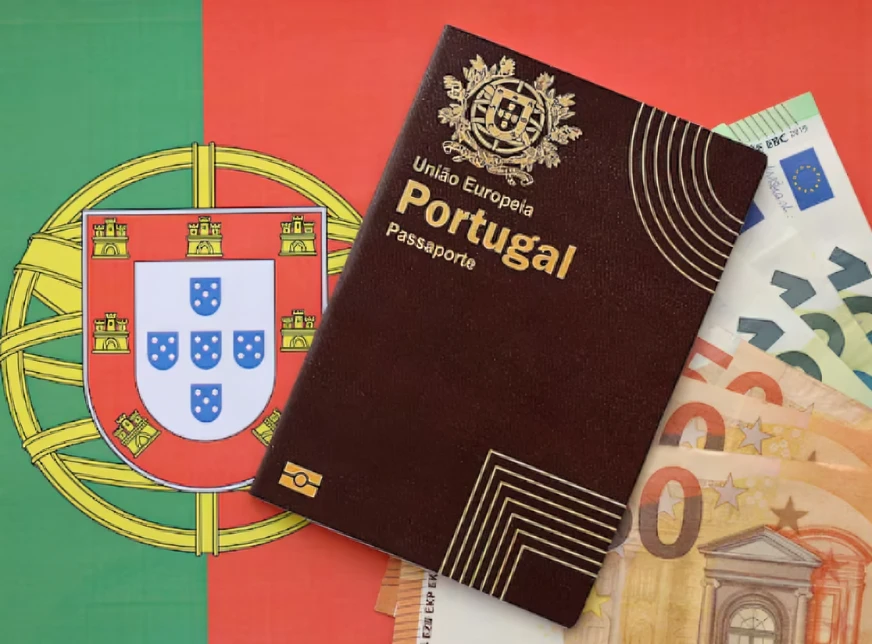
Portuguese citizenship can provide individuals with a closer connection to the language and its cultural heritage. Acquiring citizenship often involves demonstrating proficiency in Portuguese, reflecting its importance as a unifying element of national identity. For expatriates and descendants of Portuguese nationals, mastering the language becomes an integral part of embracing their roots and contributing to their new communities.
The process of obtaining Portuguese citizenship frequently intertwines with language acquisition, as applicants delve into its grammar, idioms, and nuances. This journey fosters a deeper appreciation for the language, enriching their cultural experiences and personal growth.
The Future of the Portuguese Language
As globalization continues to shape communication, the Portuguese language is poised for further growth. The rise of Brazil as a major global player and the cultural vibrancy of Portuguese-speaking Africa are driving the language’s global prominence. Digital media and technology have also provided new platforms for its expansion, from online learning tools to social media channels promoting linguistic exchange.
Efforts to preserve and promote Portuguese are evident through international initiatives like the CPLP, which supports language education and cultural projects across member states. Such endeavors ensure that Portuguese remains a living, dynamic language, fostering connections among its speakers worldwide.
Conclusion
The Portuguese language stands as a testament to the resilience and adaptability of human expression. From its humble beginnings on the Iberian Peninsula to its status as a global linguistic powerhouse, it continues to inspire and connect people. Whether through its literary masterpieces, musical heritage, or the paths it paves for cultural exchange, Portuguese holds a special place in the hearts of millions.
Exploring this rich language offers an opportunity to engage with diverse cultures and histories, making it an invaluable asset for global citizens. For those seeking Portuguese citizenship or simply wishing to immerse themselves in its beauty, the language promises a journey of discovery and connection that transcends borders.































Sign in to leave a comment.