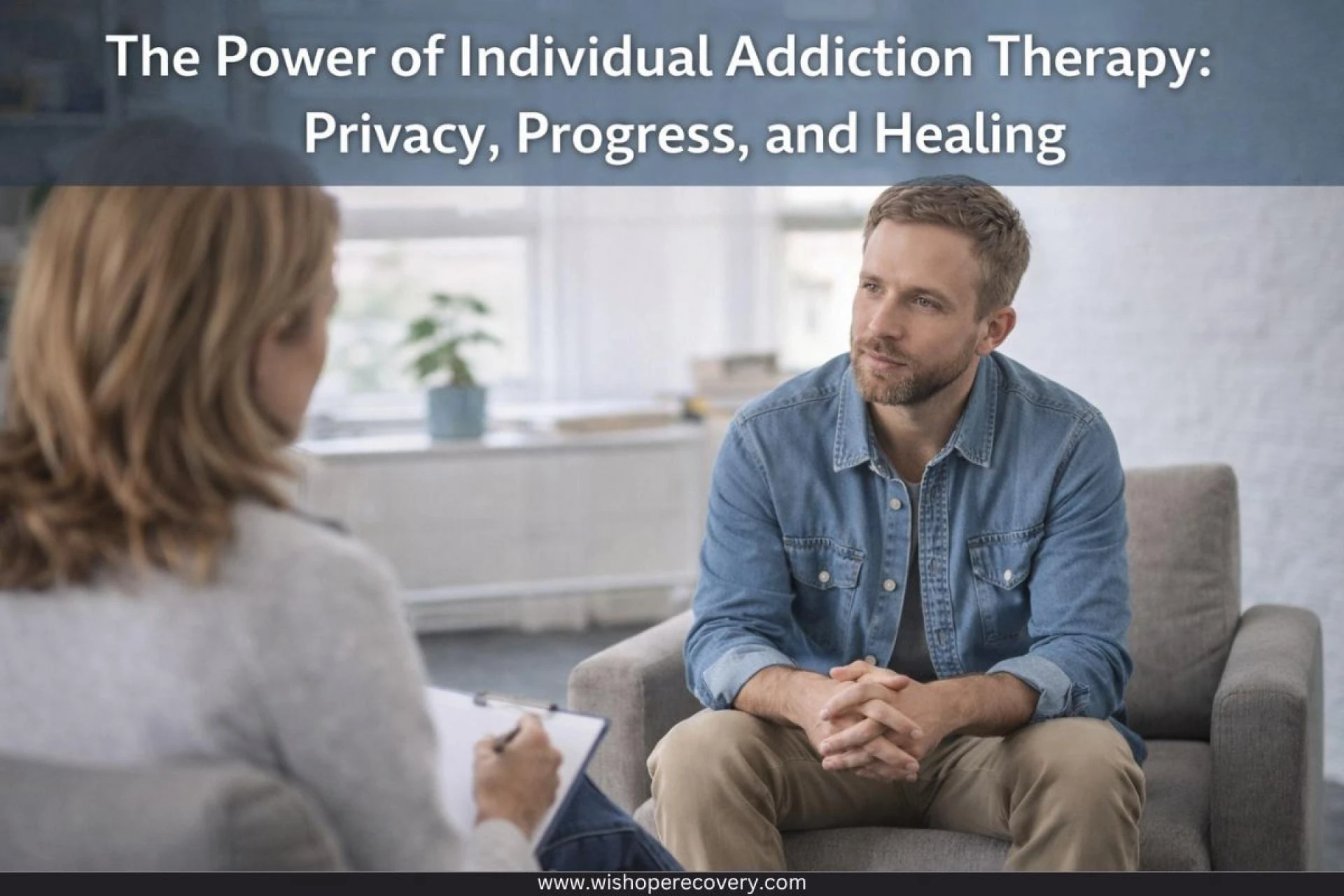
Addiction is a deeply personal journey, and recovery should be too. While group therapy and support programs offer valuable community connection, individual addiction therapy provides a private, personalized space where healing can unfold at your own pace. At WisHope Recovery, we've witnessed countless individuals transform their lives through the focused, one-on-one support that only individual therapy for addiction can provide.
What Is Individual Addiction Therapy?
Individual therapy for addiction treatment is a confidential, one-on-one therapeutic relationship between you and a licensed mental health professional who specializes in addiction. Unlike group settings where you share time and attention with others, individual therapy sessions focus exclusively on your unique experiences, challenges, goals, and healing process.
Individual substance abuse counseling addresses not just the addiction itself, but the complex web of factors that contribute to it—trauma, mental health conditions, relationship patterns, environmental triggers, and core beliefs about yourself and the world.
The Three Pillars: Privacy, Progress, and Healing
Privacy: A Safe Space for Vulnerability
One of the most powerful aspects of individual psychotherapy is the completely confidential environment it provides. Many people struggling with addiction carry shame, fear of judgment, or concerns about privacy that make group settings uncomfortable.
In individual sessions, you can:
- Share without fear of judgment in a completely confidential space
- Process at your own pace without group dynamics or time pressures
- Address sensitive issues including trauma, family matters, or personal concerns
- Maintain complete privacy about your recovery journey
This privacy creates psychological safety—the foundation for meaningful therapeutic work. When you feel truly safe, you can access deeper levels of self-awareness and honesty essential for lasting change.
Progress: Personalized Treatment That Evolves With You
Individual therapy for substance abuse offers unparalleled customization. Your therapist designs each session around your current needs, adjusting approaches as you progress through recovery.
Key advantages include:
- Targeted intervention focusing on your specific triggers and patterns
- Flexible pacing that matches your readiness and capacity
- Integrated treatment for co-occurring mental health conditions
- Evidence-based techniques selected specifically for your needs
- Measurable outcomes through personalized, trackable goals
This individualized approach means the treatment plan fits you—not the other way around.
Healing: Addressing Root Causes, Not Just Symptoms
Sustainable recovery requires understanding why addiction developed in the first place. Individual addiction counseling creates space to explore underlying issues that substance use may have masked.
Common root causes addressed:
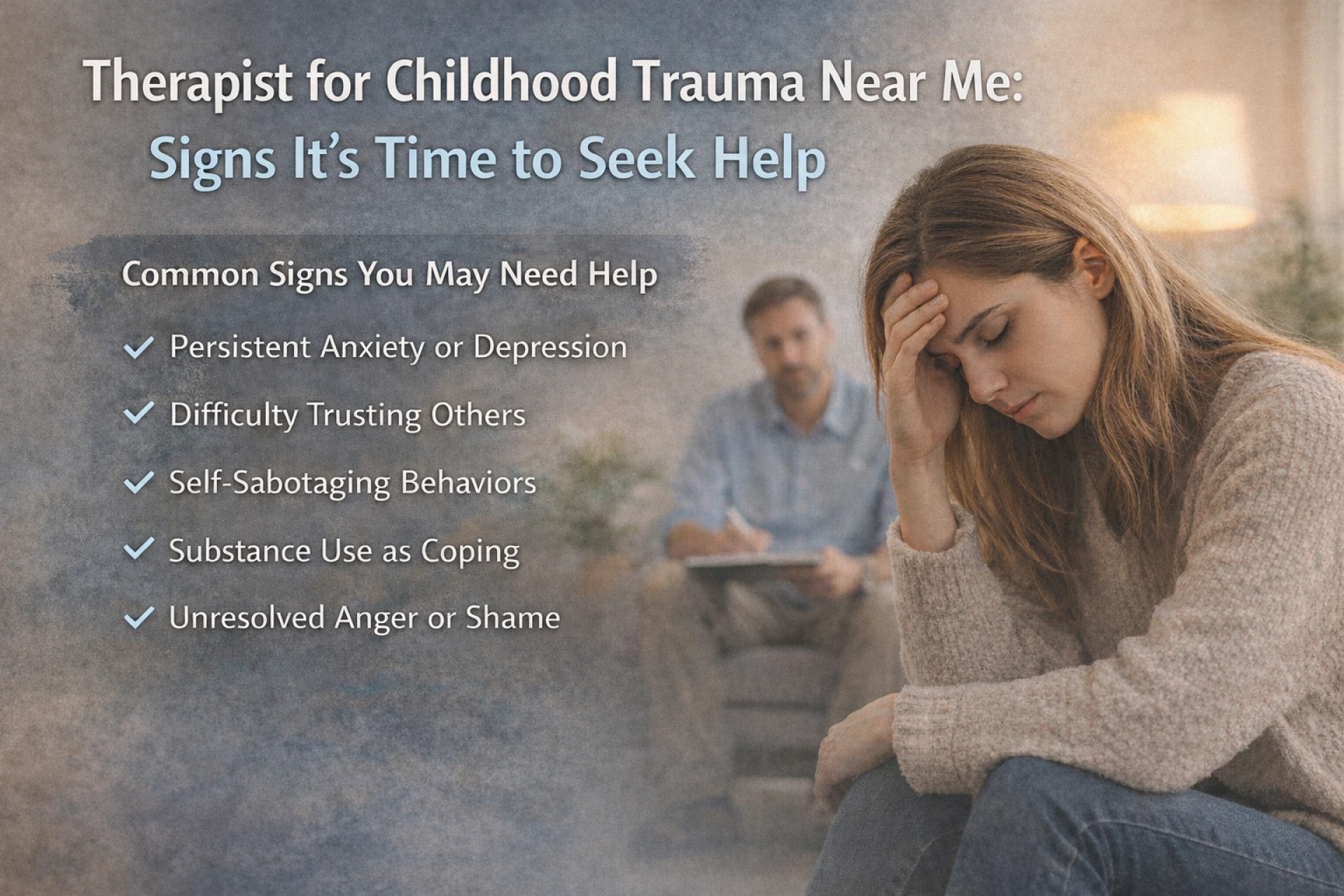
- Unresolved trauma requiring specialized individual trauma therapy
- Mental health conditions like depression, anxiety, PTSD, or bipolar disorder
- Relationship patterns and attachment dynamics
- Core beliefs about self-worth and capability
- Life transitions including grief, loss, or identity shifts
By addressing these foundational issues, therapy creates lasting change rather than temporary symptom management.
Evidence-Based Approaches
At WisHope Recovery, our therapists utilize multiple proven modalities for individual therapy for addiction treatment:
Cognitive Behavioral Therapy (CBT)
- Identifies thinking patterns contributing to substance use
- Develops practical coping strategies for cravings and triggers
- Builds problem-solving skills for high-risk situations
Dialectical Behavior Therapy (DBT)
- Teaches emotional regulation essential for managing cravings
- Develops distress tolerance for difficult situations
- Improves interpersonal effectiveness and relationship skills
Motivational Interviewing (MI)
- Explores ambivalence about recovery in a non-judgmental space
- Strengthens personal motivation for change
- Resolves internal conflicts about substance use
Trauma-Focused Therapies
- EMDR (Eye Movement Desensitization and Reprocessing)
- Somatic experiencing and body-based approaches
- Internal Family Systems therapy
Mindfulness-Based Approaches
- Develops awareness of cravings without acting on them
- Builds present-moment focus
- Cultivates self-compassion essential for recovery
Individual Therapy as Part of Comprehensive Treatment
While individual substance abuse counseling is powerful on its own, it often works best as part of a comprehensive approach. At WisHope Recovery, we integrate individual therapy with:
- Group therapy for community support
- Family therapy to address relationship dynamics
- Medication-assisted treatment (MAT) when appropriate
- Holistic practices like yoga, meditation, and nutrition counseling
- Case management for practical resource connection
Finding the Right Individual Therapist
When searching for "individual counseling for adults near me," consider these factors:
Specialized Training
- Credentials in addiction treatment (CADC, CASAC, or similar)
- Training in evidence-based addiction therapies
- Experience with your specific substance(s) of use
Personal Connection
- The therapeutic relationship predicts successful outcomes
- Schedule consultations to assess compatibility
- Trust your instincts about feeling heard and understood
Practical Considerations
- Insurance acceptance or self-pay options
- Scheduling availability and location
- Telehealth options for accessibility
The Journey Through Individual Therapy
Recovery through individual psychotherapy typically progresses through phases:
Phase 1: Engagement (Sessions 1-4)
- Building trust and therapeutic relationship
- Comprehensive assessment
- Establishing treatment goals and safety planning
Phase 2: Active Treatment (Months 2-6)
- Developing coping strategies
- Processing underlying trauma
- Challenging unhelpful beliefs
- Building healthy routines
Phase 3: Consolidation (Months 6-12+)
- Strengthening recovery skills
- Addressing deeper patterns
- Exploring identity beyond addiction
Phase 4: Maintenance
- Reducing session frequency
- Developing relapse prevention strategies
- Transitioning to ongoing support
Why Choose WisHope Recovery?
At WisHope Recovery, our approach to individual addiction therapy is grounded in compassion, expertise, and evidence. We provide:
- Licensed therapists specializing in addiction and co-occurring disorders
- Flexible scheduling including evenings and weekends
- Telehealth options for convenient care
- Trauma-informed, integrated treatment
- Insurance acceptance and transparent pricing
Your recovery deserves personalized attention and genuine care. Individual therapy for addiction offers the privacy, progress, and healing you need to build a life beyond substance use.
Taking the First Step
If you're wondering whether individual therapy is right for you, contact WisHope Recovery today to schedule a confidential consultation. Recovery is possible, healing is real, and you deserve focused support that honors your unique journey.
Frequently Asked Questions
Q: How is individual addiction therapy different from group therapy? A: Individual addiction therapy provides one-on-one sessions focused exclusively on your unique needs and goals. While group therapy offers peer support, individual sessions allow deeper exploration of personal issues, trauma, and patterns at your own pace. Many people benefit from combining both approaches for comprehensive support.
Q: How long does individual therapy for addiction treatment typically last? A: Most people engage in individual therapy sessions for at least 3-6 months, with many continuing for a year or longer. Early recovery often requires weekly sessions, gradually reducing to bi-weekly or monthly as stability increases. Duration depends on individual needs and progress.
Q: Will my individual therapist share information with others? A: Individual substance abuse counseling is confidential. Your therapist cannot share information without your written consent, except in legally mandated situations: imminent danger to yourself or others, suspected abuse, or court orders. You maintain control over what's shared and with whom.
Q: Can individual therapy address both addiction and trauma? A: Absolutely. Individual trauma therapy is often essential for lasting addiction recovery, as trauma and substance use are deeply connected. Therapists at WisHope Recovery are trained in both addiction treatment and trauma-focused approaches like EMDR, allowing integrated treatment that addresses how past experiences contribute to current substance use.






























Sign in to leave a comment.