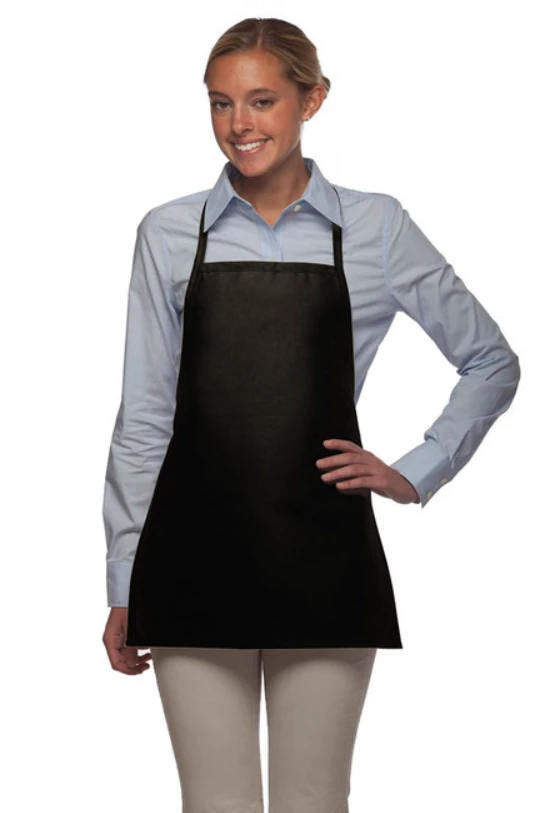

A black apron has become a common sight across many professional and creative environments. What was once associated mainly with kitchens has gradually found its place in workshops, cafés, art studios, salons, and retail settings. Its popularity is not just about appearance; it reflects practicality, durability, and a professional look that suits modern workspaces.
Work environments continue to evolve, blending functionality with presentation. Employees and creators often require clothing that protects them while allowing them to move freely and interact comfortably with clients or customers. In such situations, an apron plays a valuable role. Among the many options available, the black version stands out because it offers a balance of style and utility that works across different industries.
Why Color Matters in Workwear
Color choices in workwear often influence both functionality and perception. Black has long been associated with professionalism, simplicity, and reliability. In workplaces where spills, stains, and daily wear are common, darker fabrics provide a practical advantage.
A black apron hides minor stains more effectively than lighter fabrics, helping workers maintain a neat appearance throughout the day. This makes it particularly useful in environments such as cafés, restaurants, bakeries, or craft studios where splashes and dust are unavoidable.
Beyond practicality, black conveys a polished look. Many businesses choose darker workwear to maintain a uniform and organized appearance among staff. A consistent color theme can subtly reinforce a brand's identity while also creating a sense of professionalism.
Protection in Fast-Paced Work Environments
Many modern jobs require hands-on activity. Cooking, woodworking, painting, pottery, gardening, and hairstyling all involve tools, liquids, and materials that can damage clothing. An apron acts as a protective barrier between the worker and potential mess.
A well-designed apron covers the torso and sometimes extends to the knees, shielding clothing from stains, grease, dust, and other substances. This protective layer reduces the need for frequent wardrobe changes and helps workers focus on their tasks rather than worrying about ruining their clothes.
Durable fabrics commonly used for aprons, such as cotton canvas or polyester blends, offer long-term reliability. Reinforced stitching and adjustable straps add to the practicality, making the garment suitable for long hours of work.
Functionality Through Smart Design
Aprons are not just about coverage; they also offer functional design features that support everyday tasks. Pockets, loops, and compartments can hold tools, pens, notepads, thermometers, or small equipment.
For example:
- Baristas may keep order pads or markers in apron pockets.
- Artists might store brushes or small tools.
- Craftspeople can keep measuring tapes or utility knives within reach.
These small design elements improve workflow by keeping essential items accessible. Instead of walking back and forth to a workstation, workers can carry what they need directly on their apron.
Adjustable straps also contribute to comfort. Workers come in different body shapes and heights, so a flexible fit ensures that the apron stays secure without restricting movement.
A Professional Look for Customer-Facing Roles
Many businesses prioritize presentation when interacting with customers. Clothing can influence how people perceive a brand or service. A clean, well-fitted apron helps maintain a professional appearance while still being practical.
Restaurants and cafés often choose dark aprons because they complement most uniforms and décor styles. The color blends easily with different clothing combinations, allowing staff to maintain a consistent look without strict dress codes.
Retail stores, florists, and craft markets also use aprons as part of their staff identity. An apron can subtly indicate who works at the establishment, helping customers identify employees quickly.
Beyond the Kitchen: Expanding Workplace Uses
Aprons are no longer limited to cooking environments. Many industries have adopted them because they support both protection and organization.
Art and Craft Studios
Artists frequently work with paints, inks, dyes, and other materials that can stain clothing. An apron allows them to work freely without worrying about spills or splatters. Large pockets can hold brushes, cloths, or small tools.
Woodworking and DIY Workshops
Carpenters and hobbyists often need quick access to measuring tools or pencils. Aprons with sturdy pockets allow them to carry these items conveniently while protecting their clothing from sawdust or debris.
Coffee Shops and Bakeries
In cafés and bakeries, staff move quickly between tasks such as preparing drinks, cleaning surfaces, and serving customers. An apron keeps them presentable even during busy hours.
Hair and Beauty Services
Salon professionals frequently work with hair dyes, sprays, and styling products. An apron helps protect their clothing while maintaining a neat appearance when interacting with clients.
Comfort During Long Working Hours
Comfort is essential for anyone who spends several hours on their feet. Aprons designed for professional use are often made with breathable fabrics that allow airflow while still providing protection.
Lightweight materials reduce fatigue during long shifts. Adjustable neck straps and waist ties help distribute weight evenly, preventing strain on the shoulders or back.
Some aprons also feature cross-back straps instead of neck loops. This design spreads the weight across the shoulders, making it more comfortable for people who wear aprons for extended periods.
Easy Maintenance and Longevity
Workwear needs to be easy to maintain. One reason black aprons remain popular is their ability to retain their appearance after frequent washing. Stains that might be noticeable on lighter fabrics often blend into darker colors.
Most aprons are machine washable and designed to handle repeated cleaning cycles without losing shape. This durability makes them a practical investment for individuals and businesses alike.
Regular washing, proper drying, and occasional ironing help maintain the apron’s professional appearance. With proper care, a quality apron can last for a long time, even in demanding work environments.
A Practical Choice for Individuals and Businesses
Both individuals and organizations benefit from choosing practical workwear. For individuals, an apron protects personal clothing and provides convenience while working on projects. For businesses, aprons help create a uniform look while keeping staff comfortable and efficient.
Many companies also customize aprons with logos or brand colors, turning a simple garment into a subtle marketing tool. This approach strengthens brand identity while maintaining the practicality workers need.
For independent creators, such as bakers, artists, or small business owners, wearing an apron can also signal professionalism when interacting with clients or customers.
Conclusion
Workspaces continue to evolve, but the need for practical clothing remains constant. Aprons provide protection, organization, and a professional appearance across many industries. Among the various styles available, black remains a reliable choice because it blends durability with visual simplicity.
Whether used in kitchens, workshops, studios, or customer-facing environments, an apron supports productivity and helps workers stay focused on their craft. Its straightforward design hides stains, keeps tools within reach, and contributes to a polished look that suits modern workplaces.
For professionals, creators, and business owners who value both functionality and presentation, the decision to buy black apron options often comes down to reliability, comfort, and the ability to meet the daily demands of a busy workspace.


























Sign in to leave a comment.