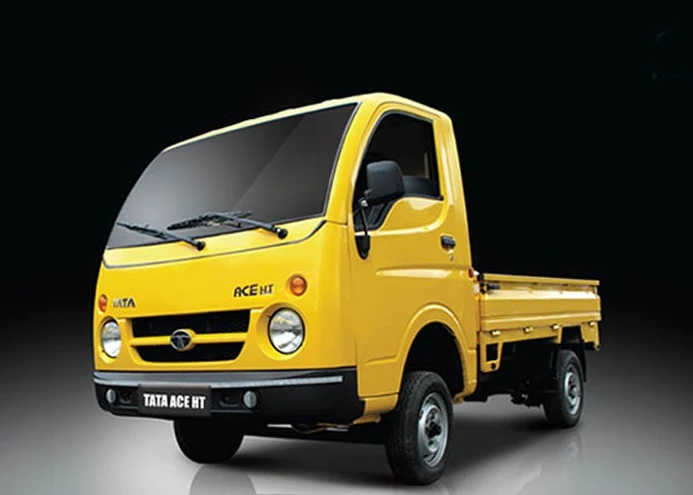

Loading and unloading trucks, specifically small truck, can be a complex process that requires careful planning and execution to ensure that goods are transported safely and efficiently. The paths to load and unload mini trucks will depend on various factors, including the type of goods being transported, the size and weight of the truck, and the available facilities and equipment.
There are two primary paths to load and unload mini trucks: manual and mechanical. Each of these paths has its advantages and disadvantages, and the choice will depend on the specific needs and requirements of the job.
The concept of Manual Loading and Unloading
Manual loading and unloading involve human labour to move goods onto and off the truck. This can be done using various techniques, including hand trucks, pallet jacks, and forklifts. Manual loading and unloading are typically used for smaller shipments or when the available facilities and equipment are limited.
Advantages of manual loading and unloading:
It can be done with minimal equipment and infrastructure. This can be particularly useful in limited space, such as in urban areas or buildings with narrow entrances or limited access points.Another advantage of manual loading and unloading is that it allows for greater flexibility in handling goods. For example, fragile or valuable items can be handled more carefully when lifted and moved by hand rather than with a machine.However, manual loading and unloading can be time-consuming and physically demanding. It also requires a higher level of skill and training to ensure that goods are moved safely and efficiently. This can increase the risk of injury to workers and damage to goods.
The concept of Mechanical Loading and Unloading
Mechanical loading and unloading involve machineries, such as conveyor belts, loading docks, and cranes, to move goods onto and off the truck. This method is typically used for larger shipments or when the available facilities and equipment can accommodate the use of machinery.
Advantages of Mechanical Loading and Unloading
It is generally faster and more efficient than manual methods. It also requires less physical labour, which can reduce the risk of injury to workers.Another advantage of mechanical loading and unloading is that it can handle heavier or larger items that would be difficult or impossible to move by hand. This can be particularly useful for industries such as construction or manufacturing, where heavy machinery or equipment needs to be transported.However, mechanical loading and unloading require more equipment and infrastructure than manual methods. This can increase transportation costs and limit the process's flexibility. It also requires a higher level of maintenance and repair to ensure the equipment functions properly.
Factors to Consider
When choosing a path to load and unload trucks, several factors must be considered. These include:
The available facilities and equipmentThe level of training and skill required for the jobThe cost of transportationThe time required for loading and unloadingThe level of risk to workers and goodsConclusion
The choice of a path to load and unload trucks will depend on various factors, including the specific needs and requirements of the job. By carefully considering these factors and selecting the most appropriate path for the job, businesses can ensure that their goods are transported safely and efficiently.









Sign in to leave a comment.