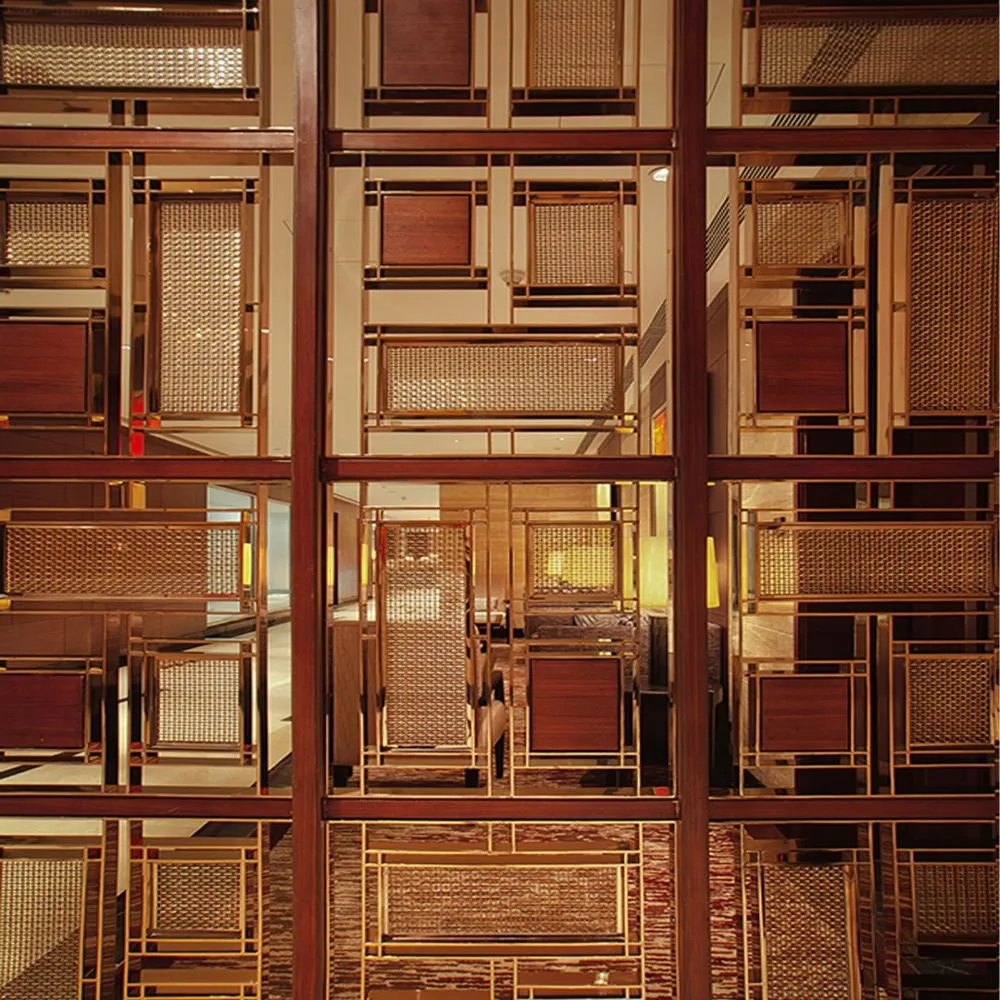

When people think about interior design, they often picture furniture, colours and beautiful objects. But a room is shaped by much more than what is placed inside it. Its proportions, lighting, materials, sounds and even the amount of empty space can influence how it feels.
The interesting thing is that many of these details are not immediately obvious. You might simply describe a room as calm, warm or inviting without knowing exactly which decisions created that feeling.
Proportion Can Change the Whole Room
The size of furniture in relation to the room can make a surprising difference. A large sofa in a compact space can make everything feel crowded, while furniture that is too small may leave a large room feeling disconnected.
Finding Balance
Good proportions create a sense of balance between objects, walls and open areas. Nothing needs to be perfectly symmetrical, but the different elements should feel comfortable together.
The Ceiling Is Part of the Design
The ceiling is often overlooked because most attention goes to walls and floors. Yet its height, colour, lighting and architectural details can influence the atmosphere of an entire room.
Looking Up
A lower ceiling can create intimacy, while a higher one can make a space feel open and dramatic. Lighting and ceiling details can also change how that height is perceived.
Doors and Windows Frame the Experience
A window is not simply an opening that brings in light. It can frame a particular view and become part of the composition of the room.
Framing a View
Furniture can be positioned to draw attention towards a garden, skyline or architectural feature. Even an ordinary view can become more interesting when it is deliberately framed.
Sound Belongs in Interior Design
A room is experienced through more than sight. Hard surfaces can make sound travel, while fabrics, curtains, rugs and textured materials can absorb some of it and create a quieter atmosphere.
A Softer Atmosphere
This becomes especially important in restaurants, hotels and other shared spaces. A visually beautiful room can feel uncomfortable if conversations, footsteps and background noise become overwhelming.
Colour Works With Light
The colour of a wall does not exist independently from its surroundings. Natural daylight, artificial lighting and nearby materials can all change the way that colour appears.
Changing Through the Day
A shade that feels soft in morning light may appear richer under warm evening lighting. This is why colours are best considered as part of the entire environment rather than in isolation.
Objects Need Breathing Room
Decorative objects can add personality, but too many competing pieces can make an interior feel restless. Giving important objects some space around them allows their shape, texture and detail to become more noticeable.
Less Can Be More
A single artwork on a large wall can sometimes have greater impact than several smaller pieces. The empty area around it becomes part of the composition.
Existing Details Can Become Design Features
Not everything interesting needs to be newly introduced. An old beam, exposed brick wall, patterned floor or unusual architectural detail can become one of the strongest elements in a room.
Working With What Exists
Instead of hiding every trace of a building's past, designers can sometimes build around it. New materials and furniture can create a useful contrast while allowing existing character to remain visible.
Small Details Stay With Us
People may forget the exact furniture they saw in a room, but they often remember smaller experiences. The warmth of a wooden surface, the way sunlight entered through a window, or the quiet feeling of a particular corner can stay in the memory.
These moments are rarely created by one design decision. They come from several elements working together without competing





















Sign in to leave a comment.