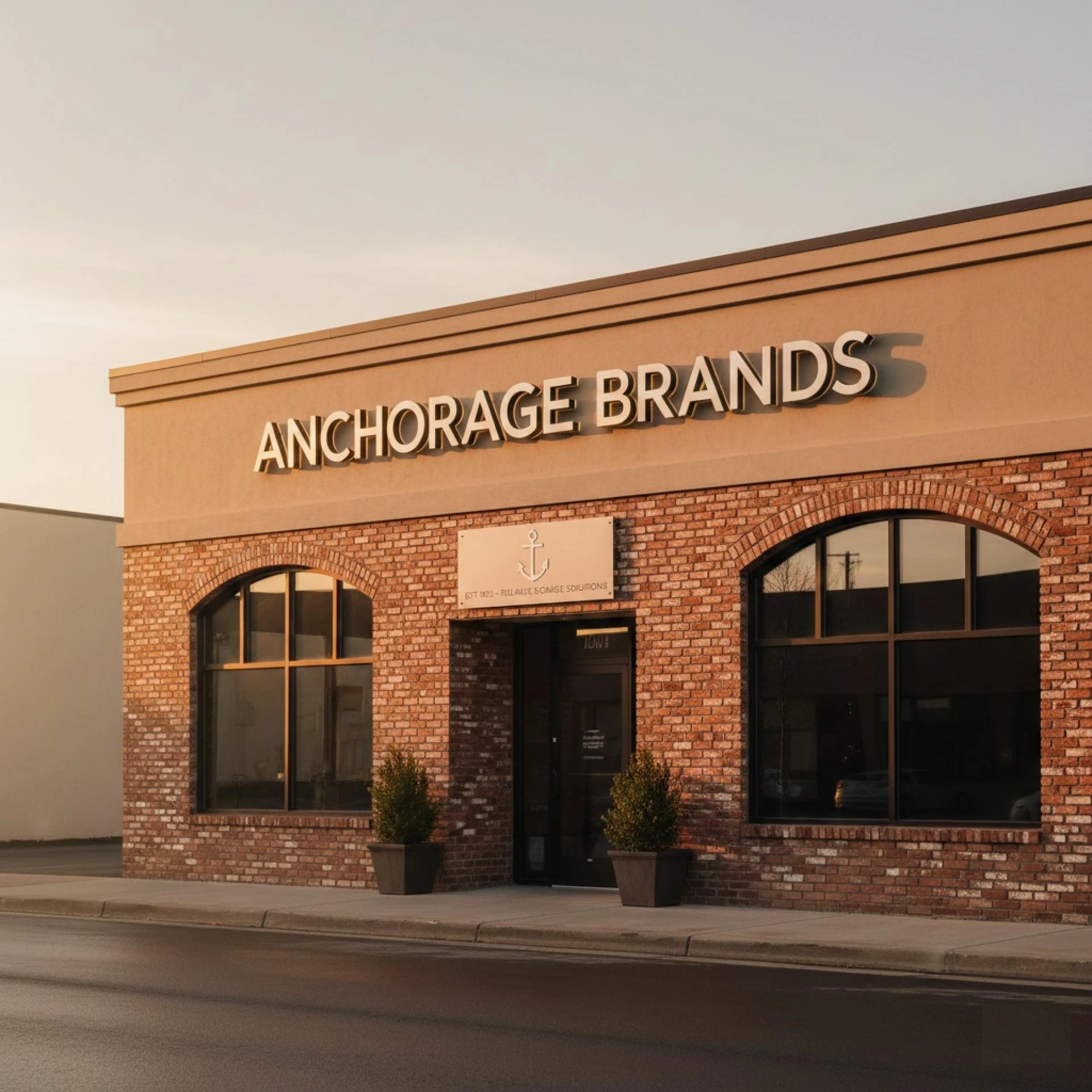

Some places feel easy to be in. You do not notice it immediately, but your body responds before your thoughts do. You slow down. You stop scanning the room. You move with a sense of certainty, even if you have never been there before.
I have been paying attention to this feeling lately, trying to understand where it comes from. It is tempting to assume it has something to do with aesthetics or atmosphere, but the truth feels simpler. These places feel right because they remove unnecessary effort. They guide without instruction. They allow you to exist without constantly making decisions.
The first time I enter a new space, I am always alert. I look for signs that tell me where to go. I watch how others move. I notice where people hesitate and where they move freely. This is not something I plan to do. It happens naturally. My mind is trying to understand the environment and predict what comes next.
When a space is designed thoughtfully, this learning phase is short. Very quickly, the environment makes sense. Clear visual cues do the work quietly. Signs are readable. Information is placed where you expect it to be. Lighting supports movement instead of competing with it. Once this happens, awareness fades and comfort takes its place.
I noticed this in a small workspace I visited regularly. On my first visit, I paused often, checking where to go next. A few weeks later, I realized I no longer thought about it at all. I moved through the space naturally. The environment had become familiar, and with that familiarity came trust.
This trust does not come from a single moment. It builds slowly through repetition. When things stay consistent, the brain relaxes. When signs do not move unexpectedly, when layouts do not change without reason, people begin to rely on the space. That reliability matters more than novelty.
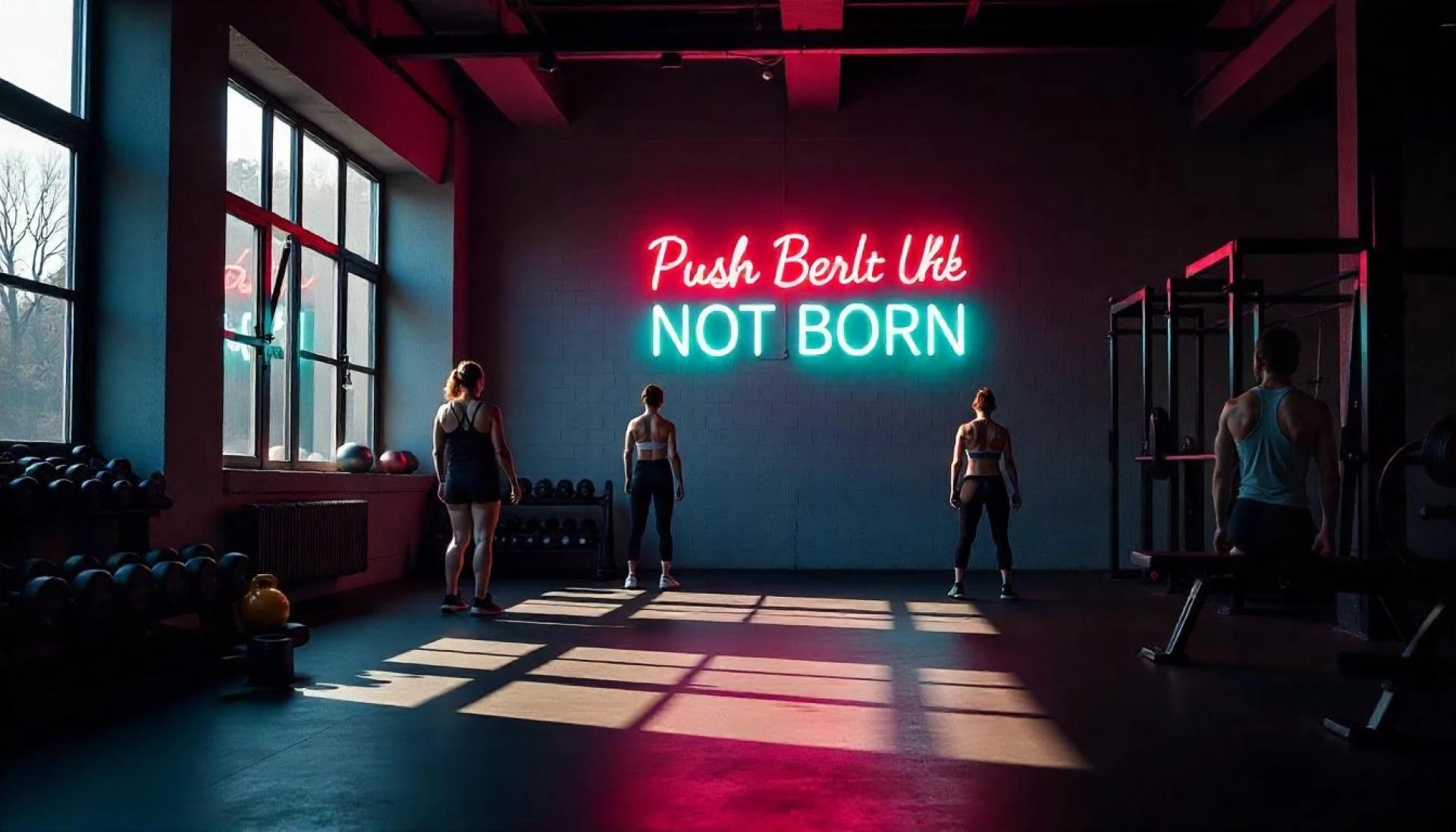
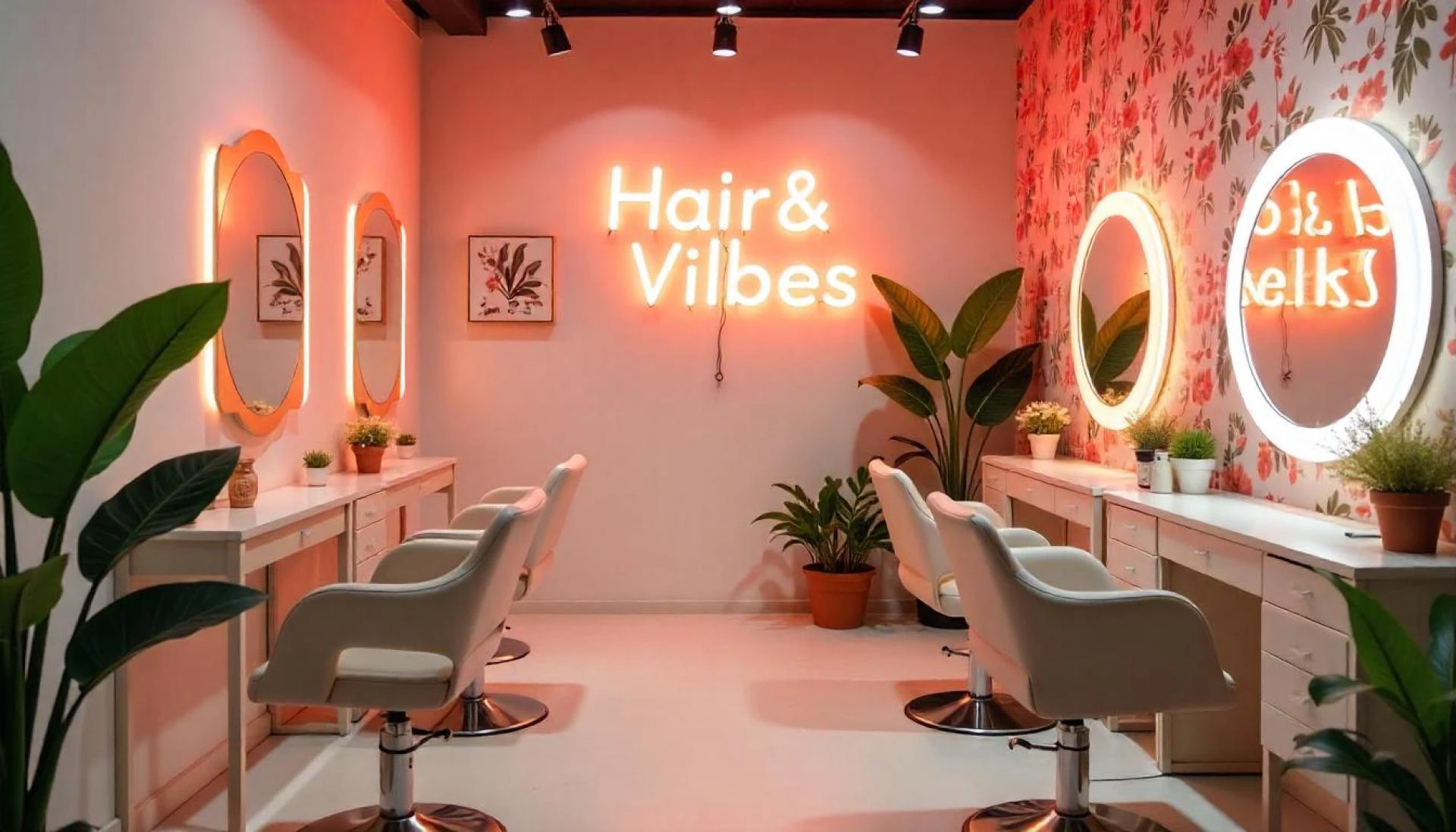
Visual communication plays a larger role in this than most people realize. Signage that is clear, durable, and thoughtfully placed becomes part of the background of daily experience. Many businesses rely on steady providers like Signs at Wholesale to ensure their signage remains consistent over time. When signs last and remain readable, they support familiarity rather than interrupt it.
What stays with people is not the sign itself, but the ease it creates. The feeling that someone thought ahead. That someone considered how the space would be used, not just how it would look.
I think this is why some places feel tiring while others feel grounding. In spaces that demand constant attention, you are always adjusting. You are always figuring things out. In spaces that feel right, that work has already been done for you.
Over time, these places begin to hold memory. Not specific events, but emotional weight. Calm. Confidence. A sense of being oriented. Even on days when everything else feels uncertain, these environments remain steady.
The most meaningful spaces are rarely loud. They do not need to explain themselves. They communicate through consistency and care. They allow people to focus on their purpose rather than on navigating the environment.
This idea extends beyond physical spaces. We seek the same qualities in routines, relationships, and work. We trust what remains steady. We return to what feels understandable. We stay where effort is minimized and clarity is respected.
When I think about the places I return to most often, none of them stand out because of spectacle. They stand out because they feel dependable. Their details do not compete for attention. Their visual cues feel natural. Their presence is supportive rather than demanding.
In a world that constantly asks for focus, energy, and reaction, there is something deeply comforting about places that ask very little. They do their work quietly. They guide without instruction. They earn trust through repetition rather than persuasion.
And perhaps that is what makes a place feel right. Not what it shows you, but how gently it allows you to move through it.






















Sign in to leave a comment.