
Beauty trends in Korea have never been static; they evolve at lightning speed, blending innovation with a deep cultural connection to skincare. For years, Korean beauty has been synonymous with glass skin, hydrating essences, and layered routines. But recently, a fresh movement has taken hold—acne-friendly makeup. Rather than masking imperfections with heavy foundations, Korean consumers are demanding products that heal while they conceal. This shift has sparked a new wave of cosmetics formulated with soothing botanicals, dermatologist-tested blends, and ingredients once reserved solely for skincare.
Why Acne-Friendly Makeup Is Becoming a Staple
Korea’s beauty industry has always been deeply intertwined with skincare science. The global fascination with K-beauty routines—double cleansing, sheet masks, and serums—proved that skin health was never an afterthought. But as mask-wearing during the pandemic triggered widespread "maskne," even people with previously clear complexions began experiencing breakouts. This gave rise to a simple but powerful realization: makeup shouldn’t aggravate the problem; it should support skin recovery.
That’s when acne-friendly foundations, lightweight BB creams, and non-comedogenic powders started to dominate shelves in Seoul’s beauty districts like Myeongdong and Gangnam. Brands quickly adapted by adding ingredients like tea tree, niacinamide, centella asiatica, and skin&lab vitamin c serum to their formulations—blurring the line between skincare and cosmetics.
The Role of Skincare in Makeup Evolution
To understand the rise of acne-friendly makeup, it’s important to recognize how skincare products shaped this shift. Korean consumers are highly educated about ingredients, often researching formulations before purchasing. As a result, makeup brands could no longer rely on heavy coverage alone; they needed to provide skin-benefiting properties.
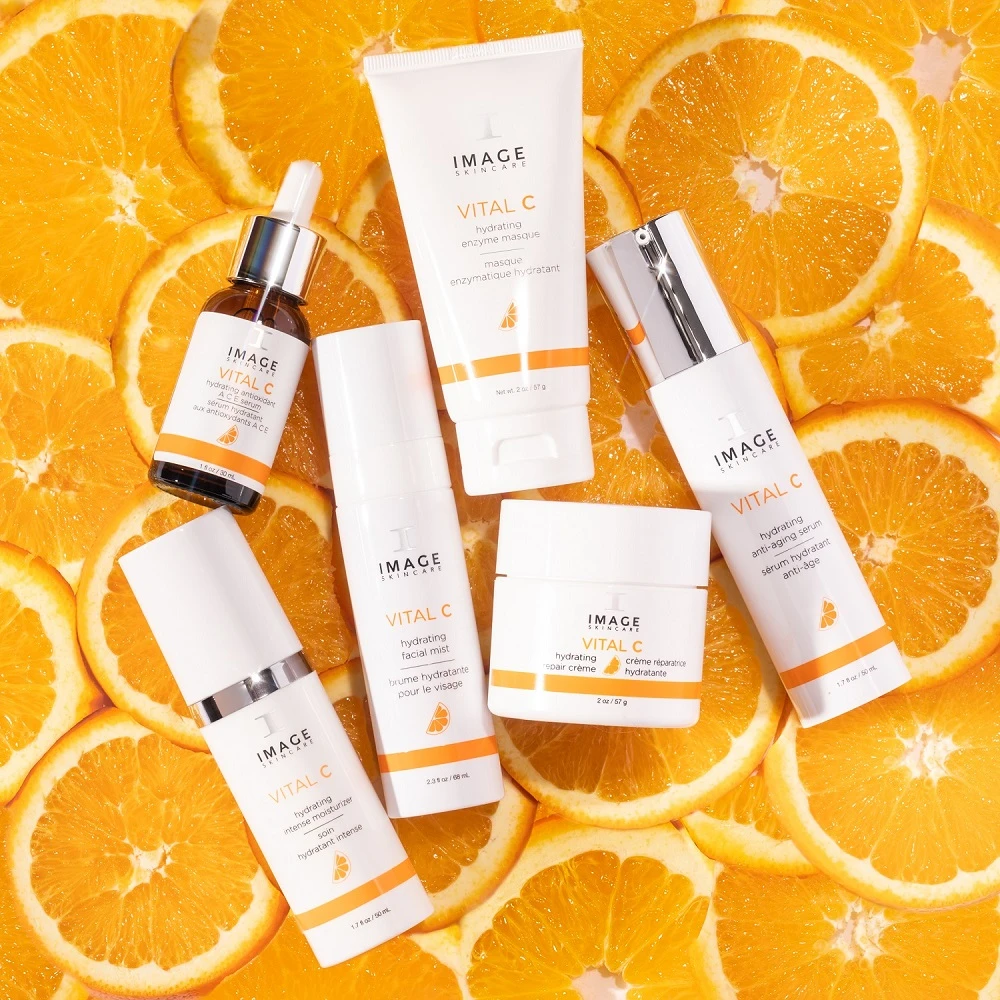
One standout ingredient in this movement is vitamin C, known for its brightening, antioxidant, and healing benefits. Among the many serums available, skin&lab vitamin c serum has become particularly popular for its ability to fade acne scars, improve texture, and promote a healthier glow. Many makeup enthusiasts now layer products like this serum under their foundations, ensuring that even while wearing makeup, their skin is being nourished.
Lightweight Formulations, Strong Results
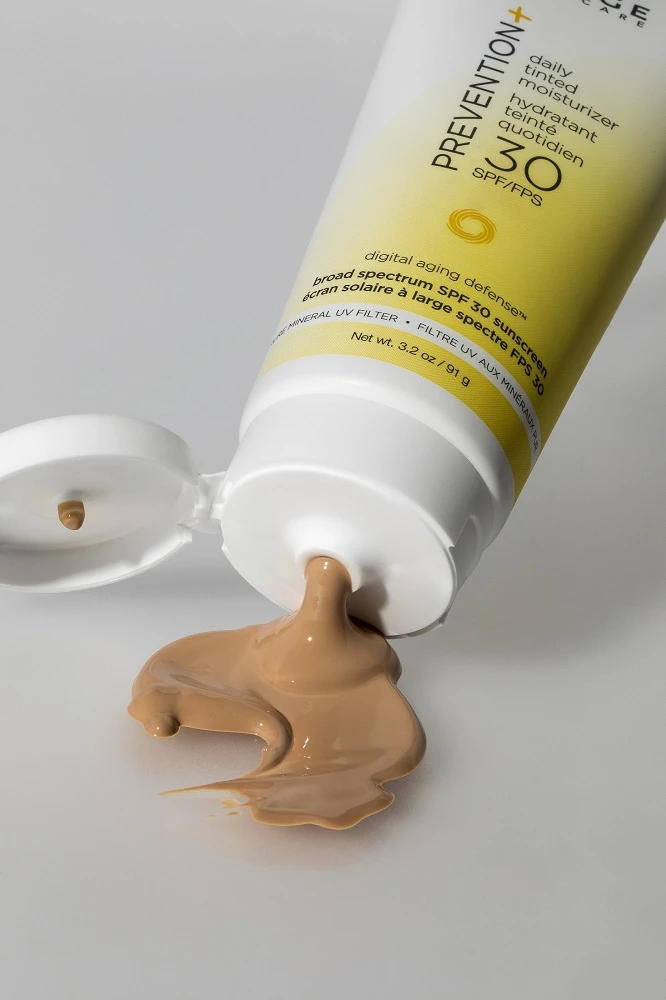
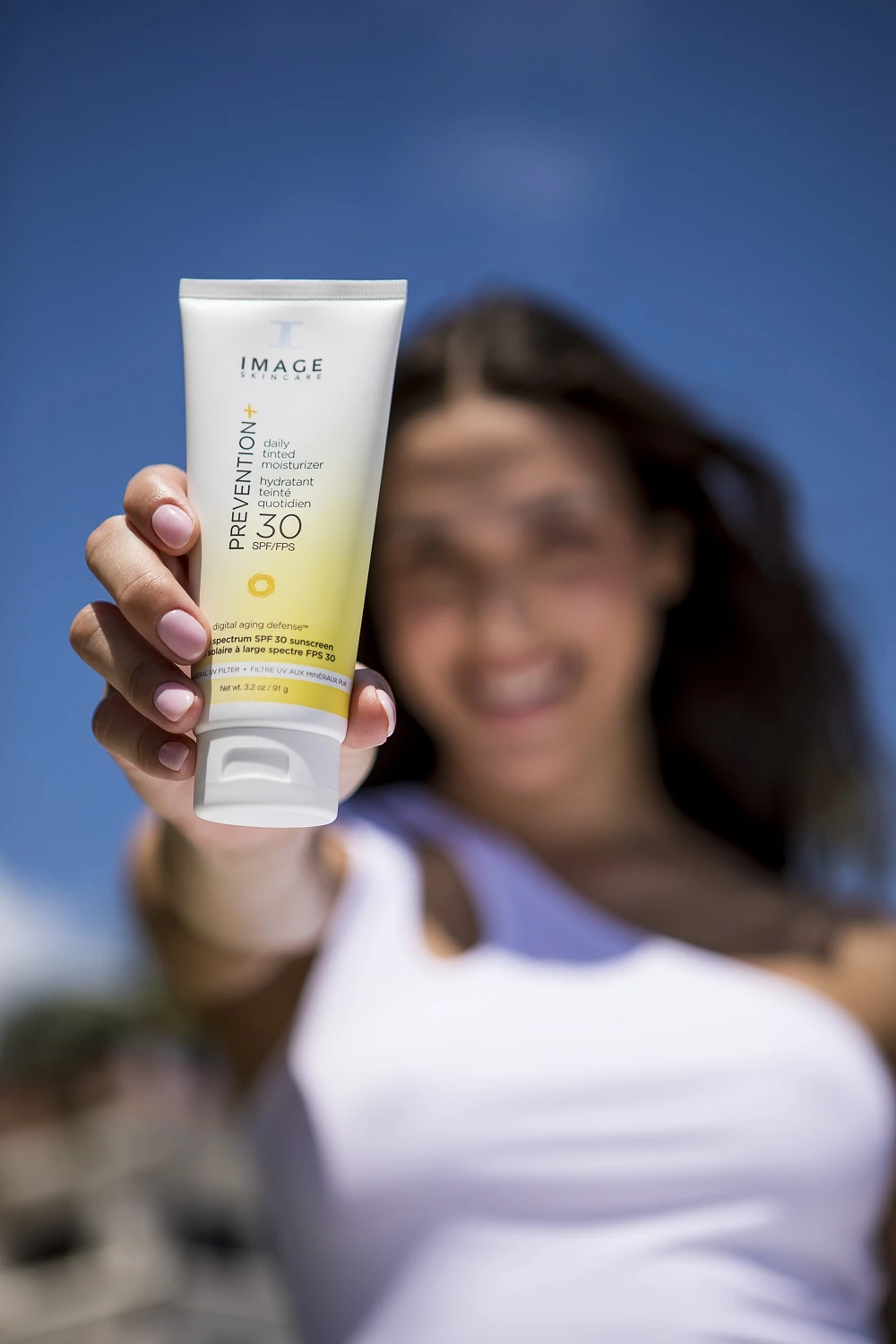
The hallmark of acne-friendly makeup is its breathable texture. Instead of cakey layers, Korean brands focus on thin, buildable formulas that let the skin breathe. Cushions, BB creams, and tinted moisturizers enriched with hydrating agents like hyaluronic acid and soothing plant extracts became the norm.
These formulas don’t just hide blemishes—they work in harmony with products like skin&lab vitamin c serum to speed up skin recovery. A typical routine might include cleansing, applying the serum, layering on a calming moisturizer, and finishing with a sheer BB cream that contains SPF and anti-inflammatory botanicals. This combination reduces irritation while providing a polished, radiant look.
Consumer Demand for Transparency
Today’s Korean beauty buyers are no longer satisfied with vague claims. They expect brands to list ingredient percentages, share clinical test results, and provide dermatologist endorsements. This push for transparency has directly influenced the rise of acne-friendly makeup.
For instance, cushion foundations often come labeled as non-comedogenic or “suitable for acne-prone skin.” Similarly, marketing for serums like skin&lab vitamin c serum highlights clinical trials proving reduced hyperpigmentation and better skin tone uniformity. Consumers trust these details, and that trust has cemented acne-friendly products as a lasting trend.
The Balance of Coverage and Care
Another defining feature of acne-friendly makeup in Korea is its balance between coverage and care. Unlike Western trends that often prioritize full coverage foundations, Korean makeup embraces a "your skin but better" philosophy. Blemishes may not be completely erased, but the skin looks fresher, calmer, and naturally radiant.
When paired with a powerful brightening base like skin&lab vitamin c serum, acne-friendly cushions achieve a smooth canvas without suffocating the pores. It’s a gentler approach, rooted in the belief that makeup should enhance rather than conceal at all costs.
The Social Media Push
Platforms like Instagram, TikTok, and Naver blogs have amplified this trend. Beauty influencers often post “before and after” routines that start with serums or ampoules, followed by acne-friendly BB cushions. These videos highlight not just the cosmetic result but the healing aspect of the routine.
Not surprisingly, hashtags related to vitamin C skincare, acne-friendly cushions, and skin&lab vitamin c serum have trended across social platforms. This constant online visibility has normalized the idea that makeup can—and should—be part of an acne-care regimen.
Dermatologists Backing the Trend
Korean dermatologists have also played a pivotal role in shaping the narrative. Many recommend light, non-irritating foundations or cushions that incorporate soothing extracts. They also often highlight vitamin C as a critical element for managing post-acne marks.
Products like skin&lab vitamin c serum often come up in these discussions because of their high tolerance across skin types. When dermatologists endorse such serums alongside acne-friendly makeup, consumers feel reassured that their beauty routine is actively helping rather than harming.
Global Impact of Korea’s Acne-Friendly Beauty Movement
What starts in Seoul rarely stays in Seoul. The global beauty industry has already started embracing Korea’s acne-friendly philosophy. International brands are now launching non-comedogenic tinted moisturizers and foundations infused with skincare ingredients. Even Western consumers, once obsessed with heavy matte looks, are shifting toward breathable, radiant finishes that echo K-beauty ideals.
The inclusion of serums like skin&lab vitamin c serum in international skincare discussions further proves how influential Korean trends have become. This isn’t just a passing fad—it’s a beauty evolution driven by consumer health and science-backed products.
The Future of Acne-Friendly Makeup
As technology advances, expect even more hybrid products—makeup that doubles as intensive skincare. Foundations with probiotic complexes, cushions enriched with ceramides, and primers containing antioxidants are already hitting the market. In this context, skin&lab vitamin c serum continues to serve as a foundation for healthy routines, preparing the skin for whatever hybrid products come next.
The ultimate goal is clear: makeup that heals while it conceals. Korea’s beauty industry has proven that aesthetics and skin health can go hand in hand, and acne-friendly makeup is leading that charge.
Final Thoughts
The rise of acne-friendly makeup in Korea signals a profound shift in the way beauty is understood. It’s no longer about covering flaws—it’s about creating a supportive ecosystem where every product in your routine contributes to better skin health. With innovations that marry vitamin C serums like skin&lab vitamin c serum with lightweight, non-irritating coverage, this movement is redefining what it means to feel confident in your own skin.
In short, acne-friendly makeup isn’t just a trend. It’s the next chapter in K-beauty’s global influence, proving that makeup can be both beautiful and beneficial.












Sign in to leave a comment.