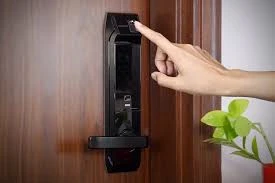

In today’s fast-paced digital world, home security has taken a giant leap forward with the advent of digital locks. Gone are the days of traditional keys and locks, as smart locks and biometric technology are making homes safer, more convenient, and more secure than ever before. Digital locks, including smart and biometric locks, offer a futuristic way to control access to your home, transforming the way we think about home security.
Smart Locks: The Future of Home Security
Smart locks are a prominent example of how technology is revolutionizing home security. Unlike traditional locks that require physical keys, smart locks are connected to a network via Wi-Fi or Bluetooth, enabling remote control via smartphones or other smart devices. This provides a higher level of convenience and flexibility, allowing homeowners to lock and unlock doors from virtually anywhere, whether they are at home, at work, or even on vacation.
One of the most significant advantages of smart locks is their integration with other smart home systems. For example, when paired with a home automation system, smart locks can be programmed to automatically lock or unlock when you arrive or leave the house, making it a seamless experience. Many smart locks also support voice control through platforms like Amazon Alexa or Google Assistant, allowing homeowners to manage their locks without lifting a finger.
Another advantage is the ability to create temporary or permanent access codes for guests, service providers, or family members. This eliminates the need for physical keys and reduces the risk of unauthorized access. For instance, if you're hosting a friend for a few days, you can simply send them a one-time access code that grants them entry for the duration of their visit.
Biometric Locks: The Next Level of Security
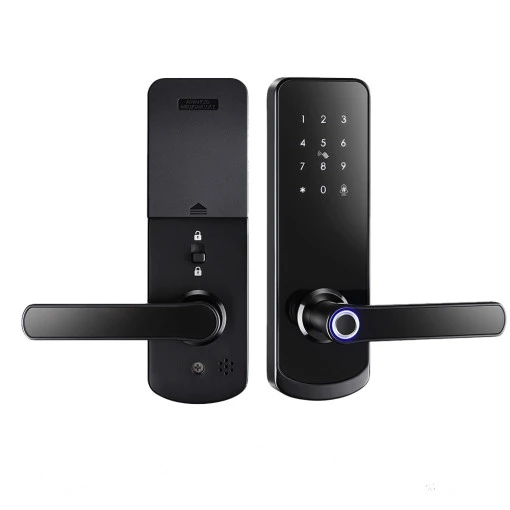
Biometric locks represent an even more advanced layer of home security, focusing on the unique physical traits of an individual. These locks use characteristics like fingerprints, facial recognition, or retina scans to grant or deny access, offering an unparalleled level of security. Unlike traditional locks that can be picked or bypassed, biometric locks are nearly impossible to replicate or deceive, making them one of the most secure methods of protecting your home.
Fingerprint biometric locks, for example, scan the unique ridges and patterns of a person’s fingerprint. Once the lock is registered with the fingerprint, only those who are authorized can gain entry. This technology is both fast and accurate, and some modern biometric locks can store multiple fingerprints, allowing several members of the household access without needing physical keys or codes.
Facial recognition systems are also becoming more common in biometric locks. These systems scan a person’s face and match it against stored data to grant access. While this technology is still evolving, it offers a futuristic and highly secure means of entry. It’s especially useful in homes where multiple family members or roommates need access without worrying about losing keys or forgetting codes.
The Benefits of Digital Locks
Both smart locks and biometric locks offer significant advantages over traditional locking mechanisms.
- Enhanced Security: Traditional keys can be lost, stolen, or duplicated, but digital locks, particularly biometric ones, make unauthorized access much more difficult.
- Convenience: No more fumbling with keys or worrying about locking yourself out. With smart locks, access can be granted remotely or automatically, enhancing convenience.
- Remote Control & Monitoring: Smart locks allow you to monitor access in real-time, giving you control over who enters your home and when, even when you're miles away. Many systems send alerts when someone enters or exits, providing added peace of mind.
- Keyless Access: Whether it’s an access code or a fingerprint, keyless entry removes the risks associated with losing a traditional key.
Conclusion
Digital locks, including smart and biometric locks, are transforming the way we secure our homes. The combination of advanced technology, convenience, and security ensures that our homes remain safe while offering an easier and more efficient way to manage access. Whether you’re looking for the flexibility of smart locks for homes or the heightened security of biometric systems, digital locks are undoubtedly the future of home security. As these technologies continue to evolve, they will become even more integrated into the smart home ecosystem, making it easier for homeowners to protect what matters most.










Sign in to leave a comment.