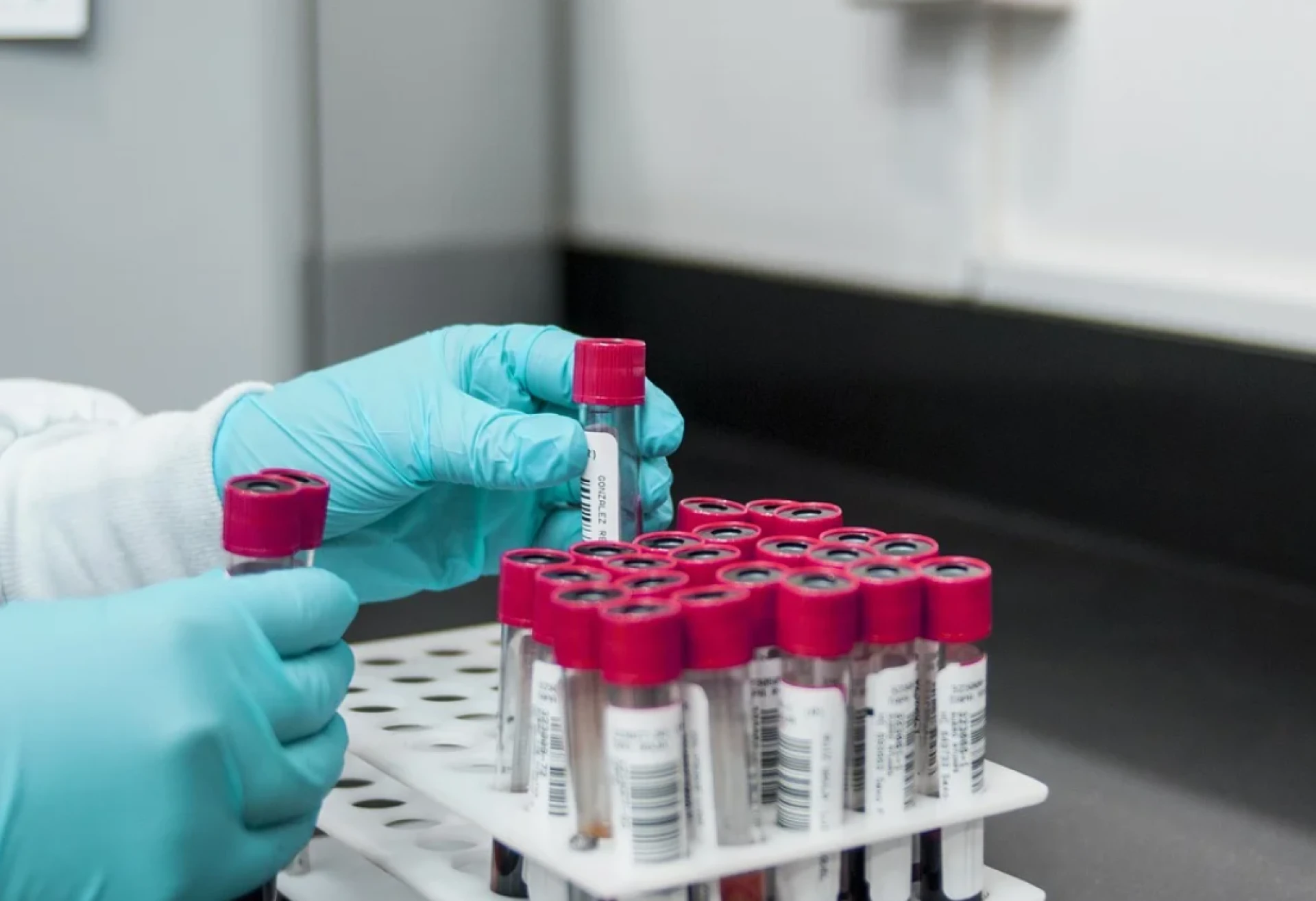
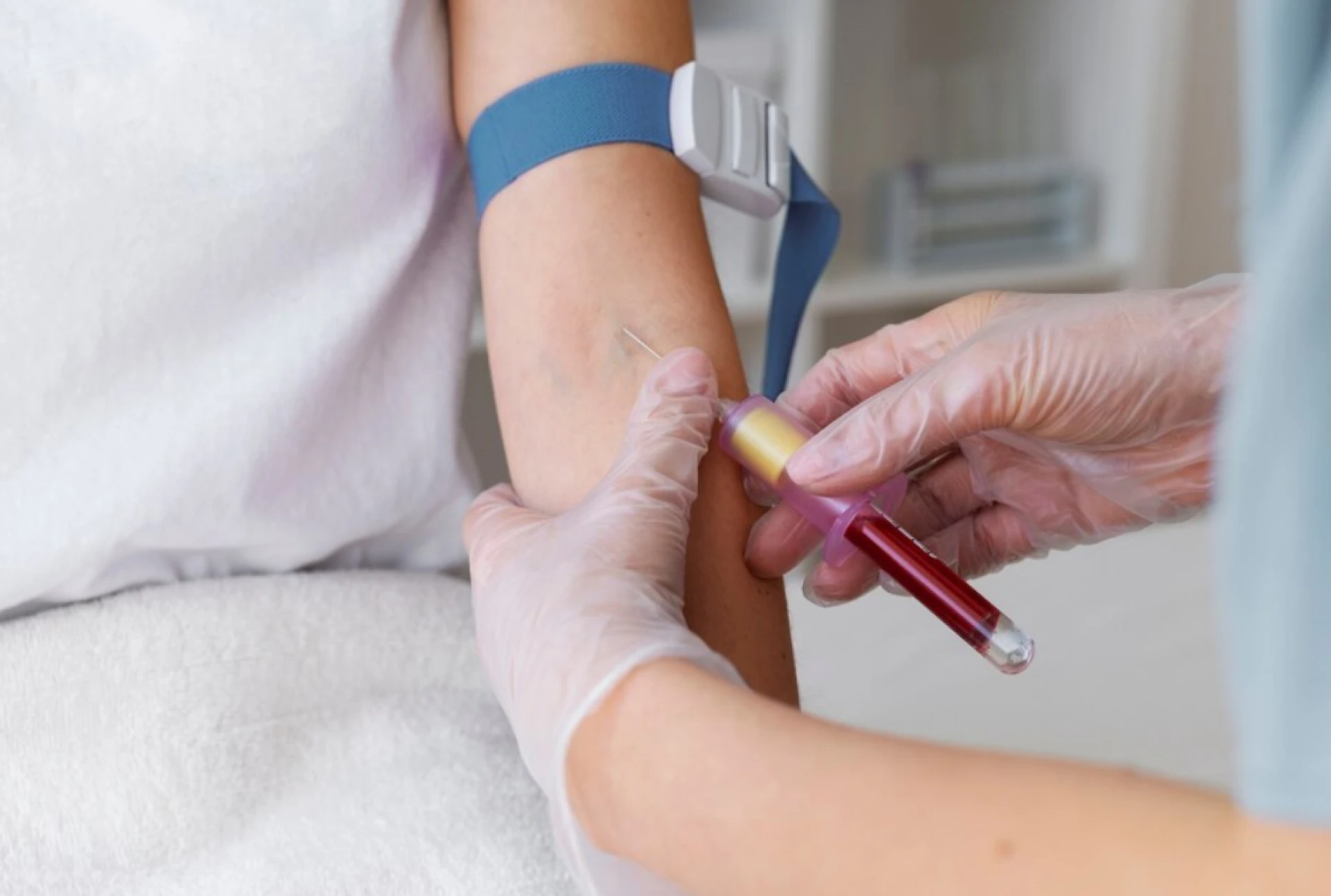
In recent years, the healthcare landscape has witnessed a significant transformation with the rise of home medical tests. These tests, designed to be used in the comfort of one's home, have revolutionized the way individuals monitor and manage their health. Whether it’s checking cholesterol levels, monitoring blood sugar, or performing pregnancy tests, medical test at home has become an increasingly popular choice for many. This shift is driven by convenience, cost-effectiveness, and the growing desire for privacy and autonomy in health-related matters.
The Growth of Home Medical Tests
The idea of testing for certain medical conditions from home is not entirely new, but technological advancements and the increase in telemedicine have brought these tests to the forefront. Home medical tests now come in various forms, including test kits for conditions such as diabetes, heart disease, sexually transmitted infections (STIs), and even genetic predispositions. With these kits, individuals can obtain quick and accurate results without the need to visit a healthcare provider.
One of the key factors contributing to the popularity of at-home tests is convenience. In today's fast-paced world, many people lead busy lives and may find it difficult to schedule and attend doctor’s appointments or lab visits. With at-home tests, individuals can take the test at a time that works best for them, without the hassle of waiting for an appointment or taking time off from work. Additionally, these tests are often simple to use, with instructions provided in the kit itself, making it accessible to a wide range of individuals.
Benefits of Home Medical Tests
1. Privacy and Confidentiality
For some individuals, the thought of visiting a doctor or clinic to have certain tests done can be uncomfortable or embarrassing. This is especially true for tests related to sexual health or genetic conditions. Home medical tests provide a sense of privacy and confidentiality that might be hard to achieve in a traditional healthcare setting. People can conduct tests in the privacy of their own home and receive results discreetly, without having to worry about judgment or discussing sensitive health concerns face-to-face.
2. Convenience and Flexibility
Home medical tests are incredibly convenient. People can take the test at their own pace, without needing to schedule an appointment or take time off from work. Whether it’s monitoring cholesterol levels, pregnancy, or even a food allergy test, individuals can perform these tests without any inconvenience. The results are often available quickly, sometimes within minutes, and in many cases, can be accessed online.
3. Cost-Effective
Visiting a healthcare provider or clinic for tests can be expensive, especially when factoring in consultation fees, lab costs, and additional tests. Home medical tests are often a more cost-effective alternative, especially for routine checks and preventive measures. The upfront cost of the test kit can be significantly lower than a visit to a healthcare provider, making it a viable option for individuals without insurance or those looking to avoid expensive medical bills.
4. Monitoring Chronic Conditions
For individuals living with chronic conditions like diabetes, heart disease, or high blood pressure, home medical tests can be a game-changer. Regular monitoring of these conditions is essential for preventing complications and ensuring effective management. Home medical tests allow individuals to track their health metrics on a regular basis, providing them with the information they need to make informed decisions about their care and lifestyle changes.
The Role of Technology in Home Medical Tests
Advancements in technology have played a pivotal role in the evolution of home medical tests. Many at-home test kits now utilize smartphone apps, sensors, and cloud-based platforms to provide users with real-time data and even connect them with healthcare professionals. For example, some blood glucose meters can sync with apps that track glucose levels, providing users with detailed graphs and insights into their condition.
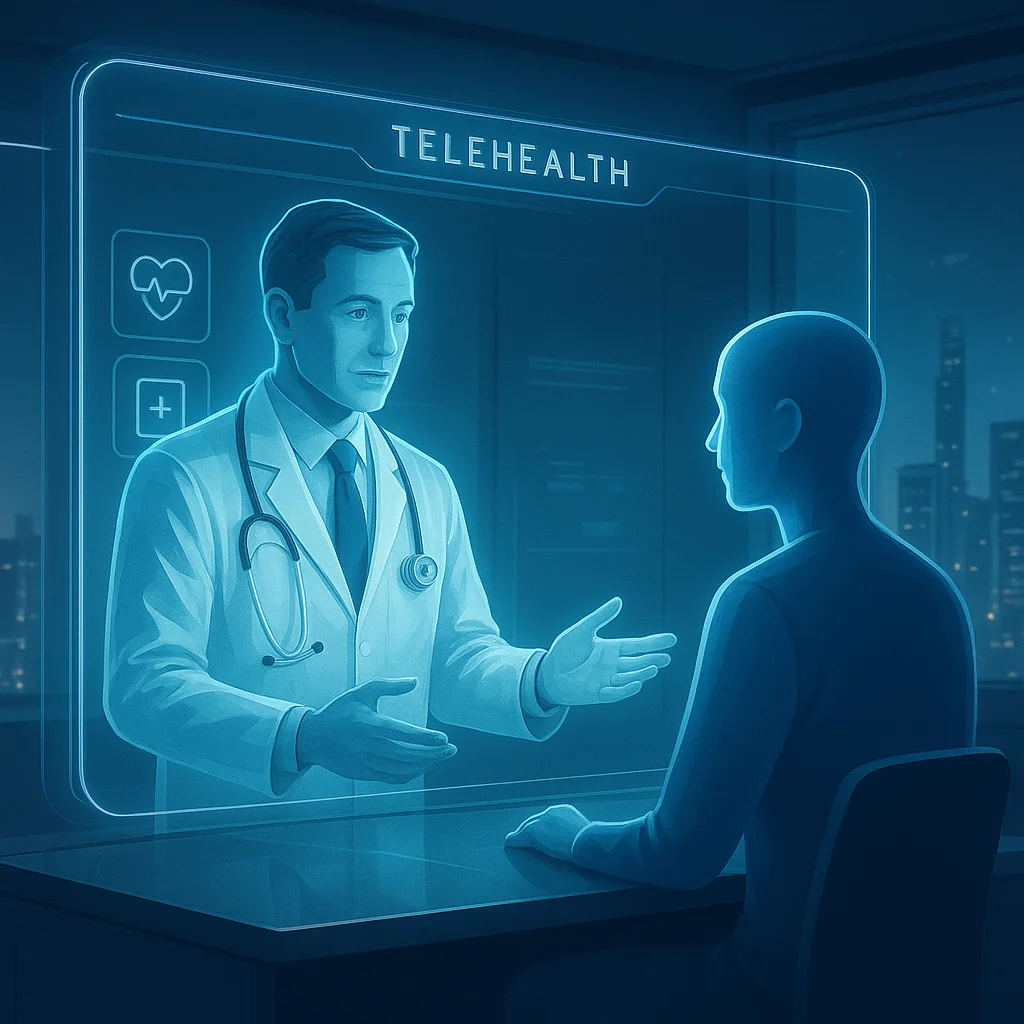
Furthermore, many home medical test kits now offer telemedicine services. If a result is abnormal or concerning, individuals can consult a licensed healthcare professional remotely to discuss the next steps. This added layer of support ensures that individuals are not left in the dark, especially when dealing with potentially serious health issues.
Ensuring Accuracy and Reliability
While home medical tests offer convenience and accessibility, accuracy remains a key concern. Not all tests are created equal, and it’s essential for individuals to choose tests from reputable manufacturers. Many reliable home medical test kits are FDA-approved or cleared, ensuring that they meet stringent standards for accuracy and reliability. However, it’s important for users to follow the instructions carefully and seek professional medical advice if they have concerns about the results.
It is also crucial to remember that home medical tests are not a replacement for regular visits to a healthcare provider. While they can help individuals monitor their health and catch potential issues early, they are best used in conjunction with professional medical advice and follow-up care.
Conclusion
Home medical tests are an empowering tool for individuals seeking to take control of their health. By offering convenience, privacy, and affordability, these tests are making it easier for people to monitor their well-being and detect potential health issues early. As technology continues to advance, the future of home medical testing looks even more promising, with innovations aimed at improving accuracy, ease of use, and access to healthcare professionals. However, it’s important for individuals to use these tests responsibly and in conjunction with professional medical guidance to ensure optimal health outcomes.


























Sign in to leave a comment.