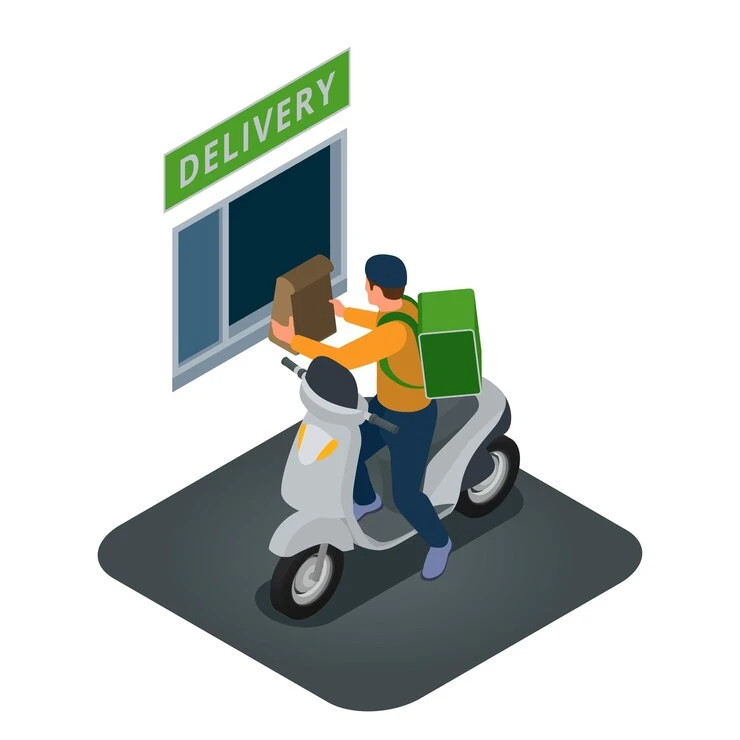

In the digital age, convenience is king. One of the most significant trends transforming the market is the rise of on-demand beverage delivery services. Imagine having your favorite beverages delivered right to your doorstep with just a few clicks. It’s no wonder this sector is booming, driven by the growing demand for instant gratification and hassle-free experiences.
Beverage delivery services are not just a passing fad. They represent a fundamental shift in consumer behavior, where speed, convenience, and variety are paramount. This trend is reshaping the way people consume beverages, from daily coffee orders to evening cocktails. For website and mobile app developers, understanding this evolving landscape offers an exciting opportunity to innovate and cater to a tech-savvy audience.
In this blog post, we’ll explore the technology behind these services, the importance of user experience, effective business models, marketing strategies, case studies of successful ventures, and future trends. By the end, you'll gain valuable insights into how to stay ahead in the competitive world of beverage delivery.
The Technology Behind the Service
The backbone of any successful beverage delivery service lies in its technology. For website and mobile app developers, it’s crucial to leverage the right tools and platforms to create seamless and efficient systems.
Website and Mobile App Development
Developing a beverage delivery service starts with building a robust website and mobile app. These platforms must be user-friendly, responsive, and capable of handling high traffic volumes. Using modern programming languages and frameworks, such as JavaScript for front-end development and Node.js for back-end services, can ensure smooth performance.
Integration of Real-Time Tracking
Real-time tracking is a key feature that sets top-tier delivery services apart. By integrating GPS and mapping services, such as Google Maps API, developers can provide customers with live updates on their orders. This transparency builds trust and enhances the user experience.
Payment Gateways and Security
Secure payment processing is non-negotiable. Implementing reliable payment gateways like Stripe or PayPal ensures that transactions are seamless and secure. Additionally, employing encryption protocols and adhering to PCI-DSS standards protects customer data from breaches.
User Experience
User experience (UX) is the heart of any digital service. For beverage delivery apps, a well-designed interface can make all the difference between a one-time user and a loyal customer.
Intuitive Design
An intuitive design means users can easily navigate the app without a steep learning curve. Simple layouts, clear icons, and easy-to-read fonts contribute to a pleasant user experience. Conducting usability tests can help identify and rectify any design issues early on.
Personalization
Personalization enhances user satisfaction. Features such as saved preferences, personalized recommendations, and targeted promotions can make users feel valued. Utilizing AI and machine learning algorithms can help deliver personalized experiences based on user behavior and preferences.
Seamless Ordering Process
A seamless ordering process minimizes friction. Streamlining steps from product selection to checkout ensures a smooth transaction. Incorporating options like one-click ordering and saved payment information can significantly enhance convenience.
Business Model and Operations
Running a beverage delivery service involves more than just technology. Efficient operations and a viable business model are key to sustainability and growth.
Inventory Management
Effective inventory management is crucial. Using ERP systems and inventory management software helps keep track of stock levels, manage suppliers, and forecast demand. This ensures that popular items are always available, and overstock is minimized.
Delivery Logistics
Delivery logistics can make or break a service. Partnering with reliable delivery providers or maintaining an in-house fleet ensures timely deliveries. Using route optimization algorithms can reduce delivery times and operational costs, enhancing overall efficiency.
Revenue Streams
Identifying multiple revenue streams is essential. Subscription models, premium memberships, and partnerships with beverage brands can generate additional income. Diversifying revenue sources helps mitigate risks and ensures steady cash flow.
Marketing Strategies
Effective marketing strategies are vital for reaching the target audience and driving engagement. Digital marketing, especially, offers numerous tools and platforms to connect with potential customers.
Search Engine Optimization (SEO)
SEO is critical for visibility. By targeting keywords like "beverage delivery service" and "opensource delivery app," businesses can improve their search rankings. Content marketing, including blogs and social media posts, can drive organic traffic to the website.
Social Media Marketing
Social media platforms are powerful tools for engagement. Regularly posting engaging content, running targeted ads, and interacting with followers can build a loyal community. Collaborating with influencers can also amplify reach and credibility.
Email Campaigns
Email campaigns are effective for retaining customers. Regular newsletters, special offers, and personalized recommendations keep customers engaged. Automated email sequences can welcome new subscribers and keep them informed about new products and services.
Case Studies
Analyzing successful beverage delivery services provides valuable insights into best practices and innovative approaches.
Case Study 1: Foodpanda
Foodpanda has become a household name in the food and beverage delivery industry. Their success lies in their user-friendly app, efficient delivery logistics, and strong marketing strategies. By continuously improving their technology and expanding their reach, they have maintained a competitive edge.
Case Study 2: UberEats
UberEats leverages the extensive Uber network to ensure prompt deliveries. Their use of real-time tracking, personalized recommendations, and seamless payment options has set a high standard in the industry. Partnering with local restaurants and beverage providers has allowed them to offer a diverse range of options.
Case Study 3: Enatega
Enatega offers a customizable beverage delivery solution. Their platform is designed to be easily deployed, making it ideal for businesses looking to enter the market quickly. By providing expert curation and exclusive deals for subscribers, they have built a loyal customer base.
Future Trends
The future of beverage delivery services is bright, with technology continuing to play a pivotal role.
AI and Machine Learning
AI and machine learning will drive further personalization and efficiency. Predictive analytics can forecast demand, while chatbots can handle customer inquiries, enhancing overall service quality.
Drone Deliveries
Drone deliveries are on the horizon. Companies like Amazon are already testing drone delivery systems, which could revolutionize the industry by reducing delivery times and operational costs.
Sustainability
Sustainability will become increasingly important. Eco-friendly packaging, electric delivery vehicles, and partnerships with sustainable brands will appeal to environmentally conscious consumers.
Conclusion
The on-demand beverage delivery industry offers exciting opportunities for website and mobile app developers. By leveraging the right technology, focusing on user experience, implementing effective operations, and adopting innovative marketing strategies, businesses can thrive in this competitive market.
Staying ahead of the curve with emerging trends and continuously improving technology will be key to long-term success. If you’re looking to deploy a ready-made and easy-to-use platform for your beverage delivery business, Enatega is the perfect solution. Contact Enatega today to get started on your customized beverage delivery app and take the first step towards transforming your business.










Sign in to leave a comment.