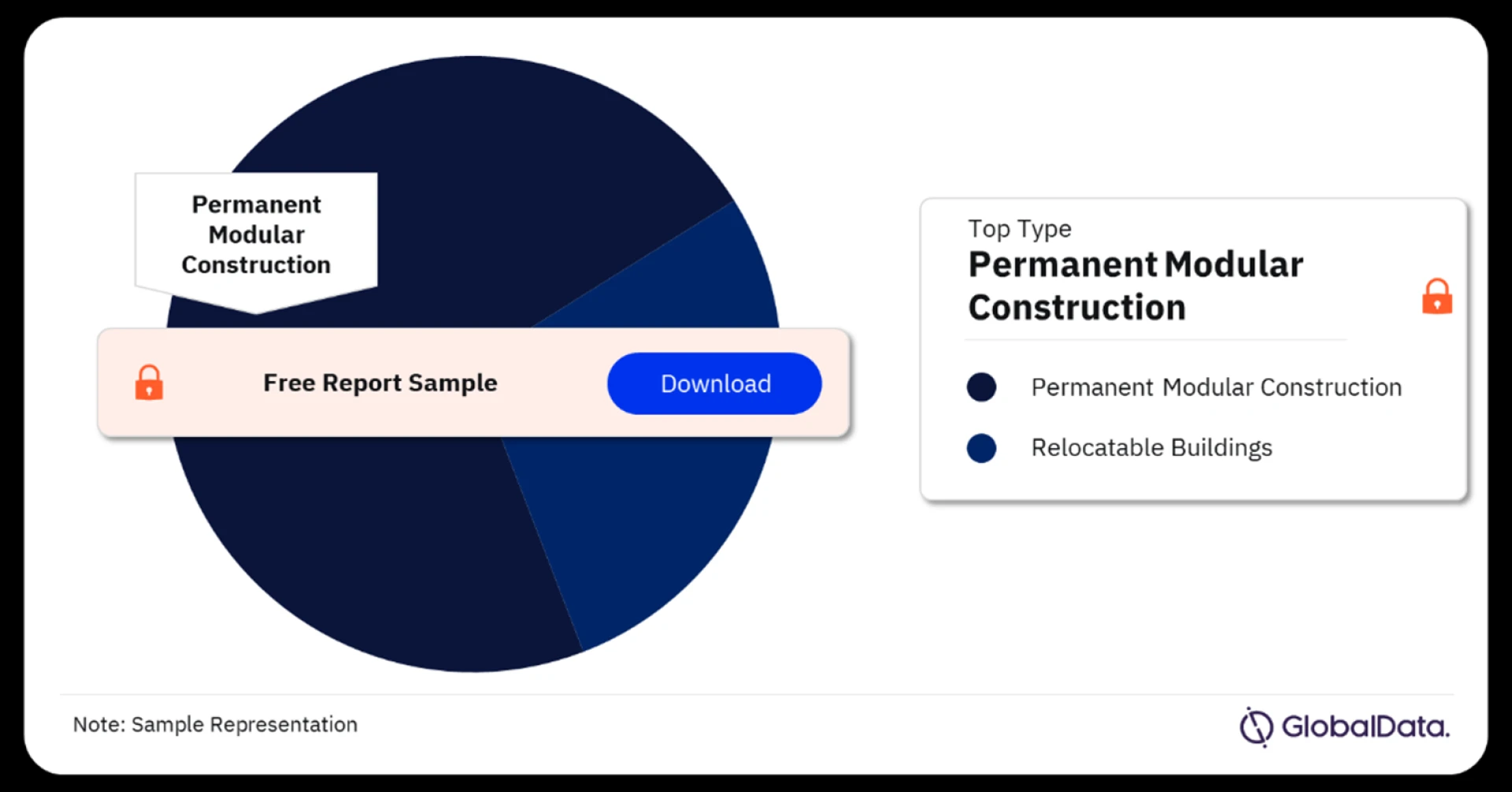

This method, also known as prefabrication, involves building structures from prefabricated modules manufactured off-site in a controlled environment. These modules are then transported and assembled on-site, leading to faster project completion times, improved quality control, and significant cost savings.
This article delves into the ever-expanding world of modular construction, exploring its market size, growth potential, key applications, and the factors driving its adoption. We\'ll also analyze the market landscape, highlighting prominent players and future trends.
Market Size and Growth Trajectory
The global modular construction market is witnessing phenomenal growth. According to MarketsandMarkets, the market size is projected to reach a staggering USD 140.8 billion by 2029, reflecting a healthy Compound Annual Growth Rate (CAGR) of 6.2% during the forecast period [1]. This growth is fueled by several factors, including:
- Rising Demand for Affordable Housing: The global housing shortage is a pressing concern, and modular construction offers a faster and more cost-effective solution for building quality housing units.
- Increased Infrastructure Investment: Governments around the world are ramping up investments in infrastructure development, creating a significant demand for prefabricated structures for hospitals, schools, and other public facilities.
- Focus on Speed and Efficiency: In today\'s fast-paced world, project timelines are crucial. Modular construction offers significant advantages in terms of faster completion times, making it an attractive option for developers and construction companies.
- Growing Environmental Concerns: Prefabricated construction generates less waste compared to traditional methods and offers better energy efficiency, aligning with the increasing focus on sustainability in the construction sector.
Applications of Modular Construction
The versatility of modular construction is a key driver of its popularity. Here\'s a glimpse into some of the prominent applications:
- Residential Buildings: From single-family homes to multi-story apartments, modular construction is revolutionizing residential development. It offers faster construction times, improved quality control, and cost-effectiveness, making it ideal for addressing the global housing shortage.
- Commercial Buildings: Office spaces, retail stores, and hotels can all benefit from modular construction. The flexibility of prefabricated units allows for quick construction and easy customization to meet specific needs.
- Educational Facilities: Schools and universities are increasingly adopting modular construction for classrooms, dormitories, and other facilities. This approach allows for rapid expansion and modification as educational needs evolve.
- Healthcare Facilities: Hospitals, clinics, and other healthcare facilities can be built faster and more efficiently using modular construction. This is particularly beneficial in emergencies or disaster situations where temporary medical facilities are required.
- Industrial Buildings: Warehouses, factories, and other industrial structures can be constructed using prefabricated modules. This method offers advantages in terms of durability, energy efficiency, and faster turnaround times.
Benefits of Modular Construction
Modular construction offers a compelling value proposition compared to traditional methods. Here are some of the key benefits:
- Faster Completion Times: By manufacturing modules off-site in controlled environments, construction timelines can be significantly reduced. This translates to earlier occupancy for projects and faster returns on investment.
- Enhanced Quality Control: Factory-controlled production environments allow for stricter quality control measures, leading to fewer defects and a more consistent final product.
- Reduced Construction Costs: Prefabrication eliminates the need for on-site construction crews and minimizes material waste, leading to substantial cost savings.
- Improved Safety: Off-site construction reduces on-site hazards associated with traditional methods, leading to a safer work environment for construction workers.
- Greater Sustainability: Modular construction generates less construction waste on-site and often utilizes sustainable materials and practices, making it an environmentally friendly alternative.
- Increased Design Flexibility: Prefabricated modules offer a high degree of design flexibility, allowing for customization to meet specific project requirements and architectural styles.
Market Landscape: Key Players and Future Trends
The modular construction market is witnessing a surge in activity, attracting established construction companies and new entrants alike. Some of the prominent players in the market include:
- Laing O\'Rourke (UK)
- Red Sea Housing (Saudi Arabia)
- Atco Ltd. (Canada)
- Skanska AB (Sweden)
- Modulaire Group (UK)
- Bechtel Corporation (US)
- Fluor Corporation (US)
- Lendlease Corporation (Australia)
- Kleusberg GmbH (Germany)
These companies are actively involved in expanding their production capacities, forging strategic partnerships, and adopting innovative technologies to further enhance the efficiency and sustainability of modular construction.
Buy the Full Report for Segment-Specific Revenues and Shares, Download a Free Report Sample



























Sign in to leave a comment.