

Are you aiming to elevate your business to the next level?
Exceptional customer service is crucial for enhancing business success. With customers becoming increasingly demanding and having multiple options, businesses must ensure they are always available to address their needs and queries promptly.
According to Surveysparrow, 81% of customers are willing to pay more for better customer service, and 95% of customers who had a bad experience with a company will tell others about it. Additionally, customer retention rates increase by 5% for every 1% increase in customer satisfaction.
This is where inbound call centers come into play. Their primary role is to provide excellent customer service by effectively managing and resolving customer issues promptly.
Inbound customers represent valuable opportunities for engagement and conversion, as they actively reach out to your company for information, assistance, or to explore your offerings.
This involves taking the time to understand the customer’s concerns, providing accurate information, and offering relevant solutions to their problems.
What is an Inbound Call Center?
An inbound contact center is a centralized hub within a company or outsourced service provider that handles incoming calls from customers or clients.
Unlike outbound call centers that focus on making calls (e.g., sales calls, marketing campaigns), inbound call center solutions are dedicated to receiving calls where customer service representatives address customer inquiries, provide support, and resolve issues.
The function of Inbound Call Centers
The primary function of an inbound call center service is to facilitate seamless communication between a business and its customers.
This involves a range of activities, including:
1. Customer Support:
One of the core functions of an inbound call center is to provide customer support. An inbound call center agent assists customers with products and services related queries, provides technical support, and offers guidance on effectively using the company's offerings.
2. Issue Resolution:
Inbound call centers are vital in resolving customer issues and complaints. Trained representatives listen to customer concerns, analyze the root cause of problems, and work towards finding appropriate solutions, ensuring customer satisfaction and retention.
3. Order Processing:
Many businesses use inbound call centers for order processing. Customers can place orders over the phone, make inquiries about products or services, track shipments, and receive assistance with billing or payment-related matters.
4. Appointment Scheduling:
Some industries, such as healthcare or service-based businesses, rely on inbound call centers for appointment scheduling. Customers can call to book appointments, reschedule, or inquire about availability, streamlining the booking process and improving customer experience.
5. Information Dissemination:
Inbound call centers also serve as a channel for disseminating important information to customers. This includes updates about new products or services, promotional offers, changes in business operations, and other relevant announcements.
Why Your Business Needs an Inbound Call Center for Boosting Success
An inbound call center is not just a support function but a strategic asset contributing to business success by enhancing customer satisfaction, improving retention rates, driving sales, and maintaining a positive brand image.
Investing in an inbound contact center is a proactive step toward meeting customer expectations and staying ahead in the market.
1. Enhanced Customer Service:
An inbound call center is crucial for delivering exceptional customer service. It provides a dedicated channel for customers to reach out, seek assistance, and resolve their queries promptly, leading to higher customer satisfaction and loyalty.
2. Improved Customer Retention:
An inbound call center helps boost customer retention rates by effectively addressing customer concerns and providing personalized support. Satisfied customers are likelier to stay loyal to your brand and make repeat purchases.
3. 24/7 Availability:
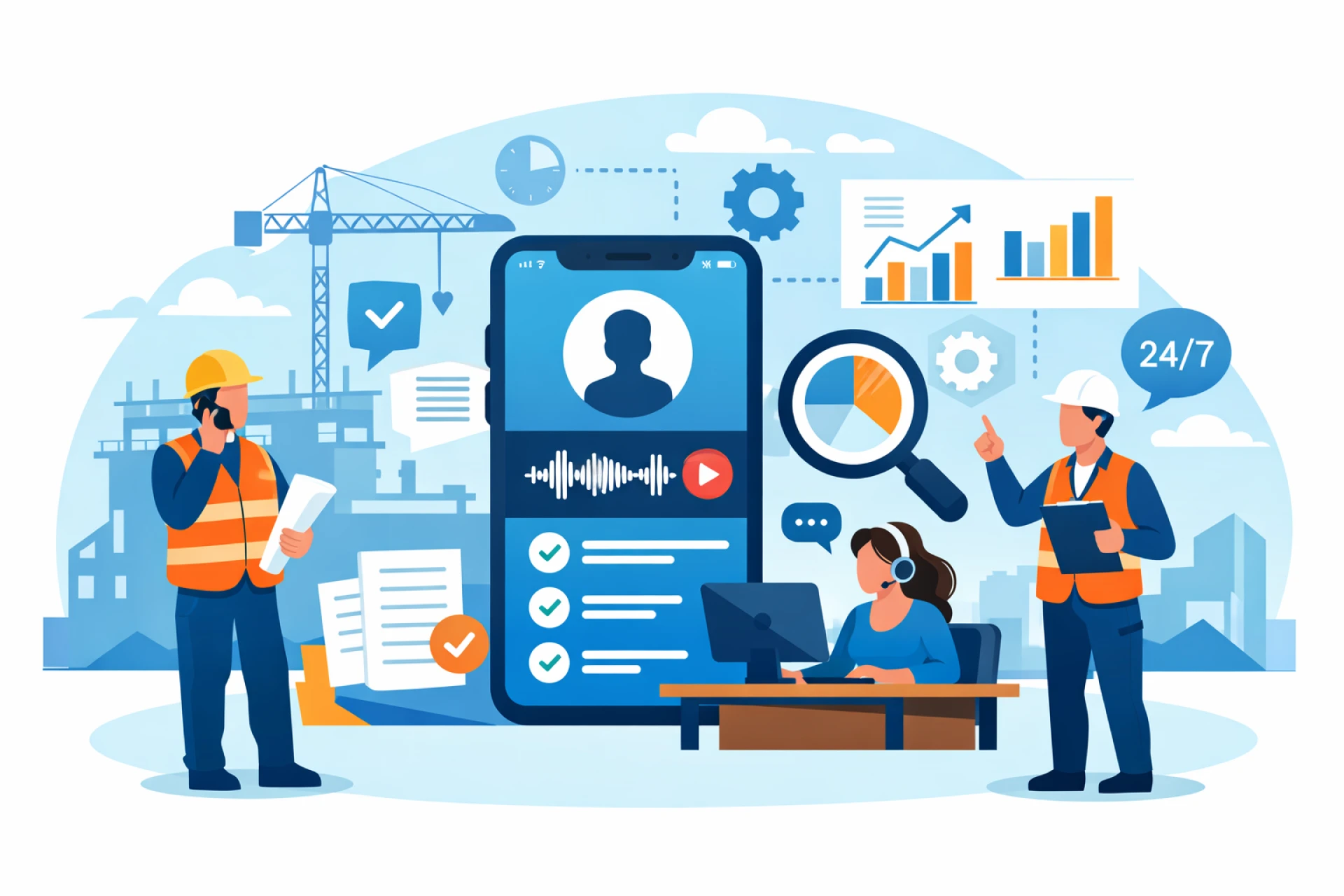
Inbound call centers can operate round-the-clock, ensuring customers can reach out for support or information any day or night. This level of availability is vital for businesses catering to global or diverse customer bases.
4. Handling High Call Volumes:
During peak periods or promotional events, businesses often experience a surge in incoming calls. An inbound call center is equipped to handle high call volumes efficiently, minimizing wait times and ensuring that every customer inquiry is addressed.
5. Professional Image:
A well-managed inbound call center projects a professional image of your business. Customers perceive companies with responsive and accessible customer support as reliable, trustworthy, and committed to their needs.
6. Sales and Upselling Opportunities:
Inbound call centers can be leveraged for sales and upselling initiatives besides customer support. Trained agents can identify cross-selling opportunities, promote new products or services, and guide customers toward making informed purchasing decisions.
7. Cost-Effective Customer Support:
Contrary to popular belief, implementing an inbound call center can be cost-effective in the long run. It streamlines customer support processes, reduces the need for an extensive workforce, and can lead to significant savings compared to handling inquiries through other channels.
8. Data Collection and Insights:
Inbound call centers gather valuable data and insights from customer interactions. Collected data can be analyzed to understand customer preferences, identify trends, and make data-driven decisions to improve products, services, and overall customer experience.
9. Crisis Management:
During times of crisis or emergencies, such as product recalls or service disruptions, an inbound call center plays a critical role in managing customer inquiries, providing timely updates, and mitigating reputational damage by addressing concerns proactively.
10. Competitive Advantage:
A well-functioning inbound contact center gives your business a competitive edge by providing superior customer service, building trust, and fostering long-term customer relationships in today's competitive business world.
Inbound call center sales techniques to help you boost conversions
Implementing inbound call center sales techniques can enhance the effectiveness of your sales efforts, increase conversion rates, and drive revenue growth for your business.
Implementing inbound call center sales techniques can enhance the effectiveness of your sales efforts, increase conversion rates, and drive revenue growth for your business.
1. Active Listening:
Train your agents to actively listen to customers' needs, concerns, and preferences. Understanding the customer's perspective allows agents to tailor their approach and offer relevant solutions, increasing the chances of conversion.
2. Build Rapport:
Encourage agents to build rapport with customers by being friendly, empathetic, and engaging. A positive rapport creates a comfortable environment for the customer and enhances trust, which is crucial for driving conversions.
3. Product Knowledge:
Ensure your agents have in-depth knowledge about your products or services. This enables them to answer customer questions confidently, highlight key benefits, and address objections effectively, leading to higher conversion rates.
4. Ask Probing Questions:
Train agents to ask probing questions to uncover customer needs and pain points. By understanding the customer's requirements, agents can recommend tailored solutions that resonate with the customer, driving conversions.
5. Handle Objections:
Equip agents with techniques to handle objections professionally and overcome customer hesitations. Addressing objections with empathy, providing additional information or alternatives, and showcasing value can help close sales.
6. Upselling and Cross-selling:
Judiciously utilize upselling and cross-selling techniques to maximize revenue per customer. Recommend complementary products or upgrades based on the customer's interests and needs, adding value to their purchase experience.
7. Follow-Up:
Implement a follow-up strategy to nurture leads and prospects who didn't convert initially. Follow-up calls or emails can remind customers of the value proposition, address any lingering concerns, and encourage them to purchase.
8. Utilize Call Center Software & CRM Tools:
Leverage Customer Relationship Management (CRM) tools or a call management system to track customer interactions, preferences, and purchase history. And call center software streamlines communication, automates processes, and empowers agents with tools to deliver efficient and personalized customer service.
9. Offer Incentives:
Consider offering incentives or promotions to incentivize purchases during the call. Limited-time offers, discounts or special deals can create a sense of urgency and encourage customers to take immediate action, boosting conversions.
10. Continuous Training and Improvement:
Provide ongoing training and coaching to your call center agents to refine their sales skills, stay updated on product updates or promotions, and learn from best practices. Continuous improvement ensures your sales team remains effective and adaptable in driving conversions.
Conclusion
In conclusion, the world of call centers is vast and varied, with different types of centers handling both inbound and outbound customer calls.
Whether you are an inbound call agent providing exceptional customer service or working in a call center business process, the goal is always the same - to ensure a positive service experience for all customers.
An inbound call center serves as a strategic asset for businesses, offering a multitude of benefits including enhanced customer service, improved retention rates, increased sales opportunities, and a positive brand image.
By investing in an inbound call center and implementing effective sales techniques, businesses can meet customer expectations and stay ahead in the competitive market landscape.
Proactive customer engagement, personalized interactions, and continuous improvement in call center operations are key to driving business success and achieving long-term growth.
































Sign in to leave a comment.