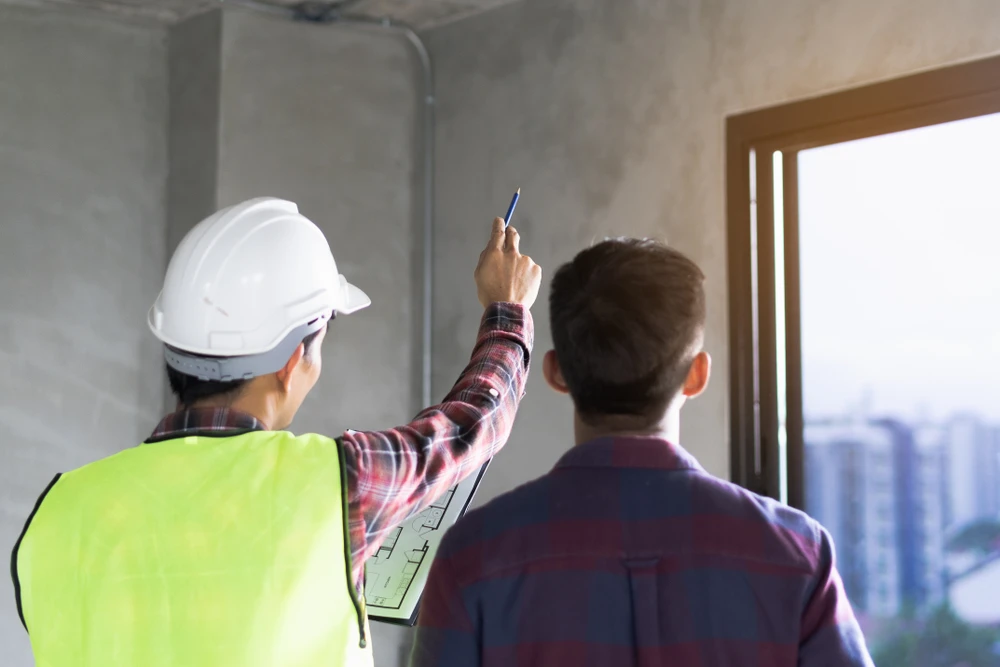

The construction industry in Sydney is booming, with numerous projects transforming the city's skyline. However, amidst the excitement of new developments, the importance of construction safety cannot be overlooked. Building inspectors in Sydney play a crucial role in ensuring that construction sites adhere to safety standards and regulations. This article explores the vital role of building inspectors in safeguarding construction safety in Sydney.
Importance of Construction Safety
The construction industry is inherently complex and carries inherent risks and hazards. From working at heights and handling heavy machinery to dealing with hazardous materials, construction sites pose numerous potential dangers. Prioritising construction safety is of paramount importance.
Potential risks and hazards in construction projects:
Construction sites are dynamic environments where workers are exposed to a wide range of risks. Falls from heights, electrical hazards, structural failures, exposure to harmful substances, and accidents involving heavy machinery are just a few examples. These risks can result in severe injuries, loss of life, property damage, and legal liabilities.
Implications of inadequate safety measures:
Neglecting construction safety can have far-reaching consequences. Beyond the immediate harm to workers, it can lead to project delays, increased costs, and damage to a company's reputation. Non-compliance with safety regulations can result in penalties, fines, and legal actions. The emotional toll on workers and their families in the event of accidents or fatalities cannot be underestimated.
Role of Building Inspectors
Building inspectors play a crucial role in ensuring construction safety in Sydney. Their responsibilities extend beyond conducting routine inspections; they are the frontline defenders of safety on construction sites. Let's delve into their role and the methodologies they employ.
Building inspectors in Sydney have a wide range of responsibilities and duties. They are responsible for evaluating construction projects at various stages, from initial planning to completion. They meticulously review building plans, permits, and specifications to ensure compliance with local building codes and regulations. By doing so, they help prevent potential safety hazards and ensure that construction projects meet the necessary standards for structural stability, fire safety, electrical systems, accessibility, and more.
Ensuring Compliance with Building Codes and Regulations
Building codes and regulations serve as the foundation for ensuring construction safety. Building inspectors in Sydney play a crucial role in enforcing compliance with these codes and regulations, ensuring that construction projects meet the required standards. Let's explore how they achieve this important task.
Building codes and regulations are established by local government authorities to set minimum standards for construction practices. These codes cover a wide range of aspects, including structural integrity, fire safety, electrical systems, plumbing, accessibility, energy efficiency, and environmental considerations. In Sydney, specific codes and regulations are in place to address the unique challenges and requirements of the city.
Identifying and Mitigating Safety Hazards
Identifying and mitigating safety hazards is a crucial aspect of the role of building inspectors in ensuring construction safety in Sydney. By carefully examining construction sites and employing various techniques, building inspectors play a vital role in identifying potential hazards and taking proactive measures to mitigate them.
Common safety hazards in construction:
Construction sites are rife with potential safety hazards that can jeopardise the well-being of workers and the public. These hazards include falls from heights, inadequate scaffolding, electrical hazards, improper use of tools and equipment, hazardous materials, unstable structures, and insufficient fire safety measures, among others. Building inspectors are trained to recognise and assess these hazards comprehensively.
Collaboration with Construction Stakeholders
Collaboration with construction stakeholders is an essential aspect of the role of building inspectors in ensuring construction safety in Sydney. Building inspectors work closely with architects, engineers, contractors, and other professionals involved in construction projects to foster a culture of safety and promote effective risk mitigation measures.
Working with architects, engineers, and contractors:
Building inspectors collaborate with architects and engineers during the planning and design stages of construction projects. They provide valuable insights and guidance to ensure that safety considerations are integrated into the architectural and engineering plans. Inspectors review these plans to identify potential safety hazards and offer recommendations for mitigating risks.
Documentation and Reporting
Documentation and reporting are crucial components of the role of building inspectors in ensuring construction safety in Sydney. Building inspectors meticulously document their findings, inspections, and recommendations to provide a comprehensive record of safety assessments and facilitate effective communication with construction stakeholders.
Types of inspection reports:
Building inspectors prepare various types of inspection reports to document their findings and communicate them to relevant parties. These reports typically include detailed information about the inspected areas, identified safety hazards, compliance status with building codes and regulations, and recommendations for corrective actions. Inspection reports may also include photographs, diagrams, and measurements to support their observations and facilitate a better understanding of the identified issues.
Enforcement and Follow-up Actions
Enforcement and follow-up actions are essential components of the role of building inspectors in ensuring construction safety in Sydney. Building inspectors not only identify safety hazards but also play a crucial role in ensuring that necessary actions are taken to address these hazards and enforce compliance with safety regulations.
Consequences for non-compliance:
Building inspectors have the authority to take enforcement actions when safety violations are identified. This can include issuing citations, stop-work orders, or imposing fines and penalties to ensure compliance. These consequences serve as deterrents and incentives for construction stakeholders to prioritise safety measures and rectify any non-compliance issues promptly.
Continuous Professional Development
Continuous professional development is a vital aspect of the role of building inspectors in ensuring construction safety in Sydney. As the construction industry evolves and new technologies, materials, and safety standards emerge, building inspectors in Sydney must actively engage in ongoing education and training to stay up-to-date and maintain their expertise.
Continuous professional development allows building inspectors to enhance their knowledge, skills, and understanding of evolving construction practices and safety regulations. It enables them to stay abreast of the latest advancements in construction techniques, materials, and technologies, which in turn helps them better identify and address safety hazards.
Expert Building Inspector
Building inspectors are the unsung heroes of the construction industry, diligently working to ensure the safety of construction sites in Sydney. By carrying out inspections, enforcing compliance with building codes and regulations, and identifying potential hazards, they play a vital role in preventing accidents and protecting lives. Their collaboration with construction stakeholders and commitment to continuous professional development further enhance their effectiveness. With their expertise and dedication, building inspectors are instrumental in ensuring that construction projects in Sydney prioritise safety above all.


























Sign in to leave a comment.