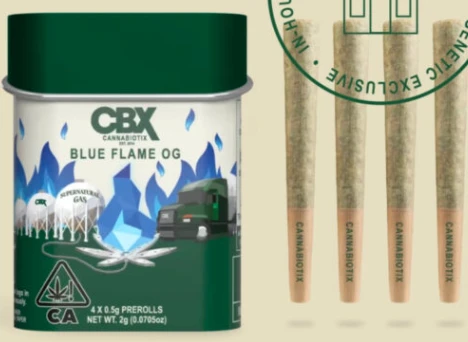

Injury prevention isn’t just about stretching, foam rollers, and good shoes—it’s also about what’s going on inside your body. Inflammation is a natural part of healing, but when it’s over the top, it can keep you sidelined for way longer than you’d like. That’s where CBD comes into the conversation. This non-intoxicating cannabinoid has been catching the attention of researchers, athletes, and weekend warriors for its potential role in dialing down inflammation and supporting faster recovery. Forbes has already covered CBD’s growing use in sports and wellness, which you can check out here. Today, we’re diving into how CBD might help keep you moving—and maybe even out of the injury cycle—without overhyping the science.
The Science Behind CBD and Inflammation
CBD works through the endocannabinoid system, a network of receptors (mainly CB1 and CB2) and enzymes that help regulate everything from mood to immune response. When it comes to inflammation, CBD is believed to influence CB2 receptors, which are mostly found in immune cells. By modulating the release of pro-inflammatory cytokines like IL-6 and TNF-α, CBD may help calm the swelling that comes after strains, sprains, or overuse injuries.
Studies in both animals and humans have shown that CBD has anti-inflammatory and antioxidant properties. This means it could not only reduce the swelling that limits movement but also protect tissues from oxidative stress, which can slow healing. For athletes and active people, that’s a win—less inflammation may mean less downtime and more consistent training.
From Lab to Locker Room
Research on CBD is still young, but the findings so far are interesting. In animal models, CBD has been shown to reduce swelling and pain behaviors after joint injuries. A 2023 review in Frontiers in Neurology even explored CBD’s neuroprotective potential in cases of traumatic brain injury, suggesting it might help with inflammation in more than just muscles and joints.
In real life, athletes and fitness enthusiasts report using CBD after intense sessions to speed up recovery, reduce soreness, and keep inflammation under control. While personal experience isn’t the same as clinical proof, these stories align with what’s been observed in lab settings.
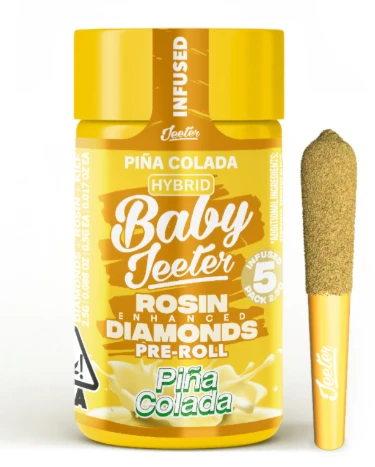
How CBD Could Help Prevent Injuries
Here’s the thing—injuries often happen when small issues build up over time. Microtears in muscle fibers, repetitive strain on joints, or chronic low-grade inflammation can eventually lead to something bigger. CBD might help by:
· Reducing baseline inflammation: Keeping swelling in check can help tissues stay healthy and resilient.
· Supporting pain management: If you’re not overcompensating for a sore muscle, you’re less likely to hurt something else.
· Encouraging recovery habits: When you feel less sore, you might be more consistent with stretching, mobility work, and good form.
It’s not magic, but it could be a useful part of a bigger injury-prevention strategy.
The Role of Topicals and Targeted Application
CBD doesn’t have to be taken the same way for everyone. Topical creams, balms, and gels are popular for people looking to target specific areas—think knees after a long run, or shoulders after heavy lifting. By applying CBD directly to the skin over sore muscles or joints, it may help reduce localized inflammation without affecting the rest of the body.
For example, someone could enjoy a California honey edibles digital art-inspired wellness ritual that incorporates stretching, heat therapy, and topical CBD. It’s about the vibe as much as the science.
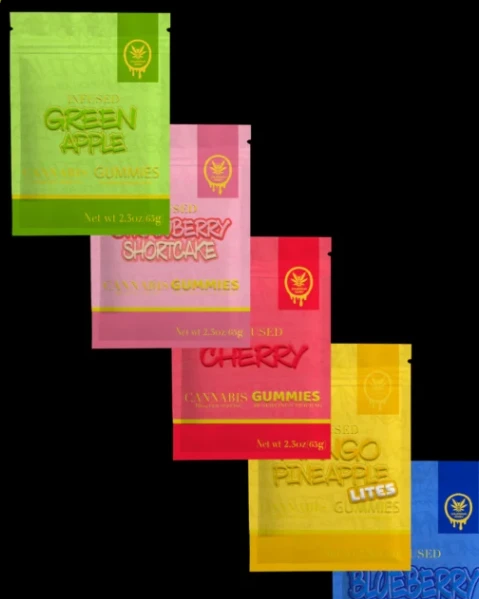
Safety and Quality Matter
While CBD is generally considered safe, quality control in the market can be hit-or-miss. Studies have found that some products contain more or less CBD than labeled, and some even contain unwanted contaminants. This is why choosing a reputable source matters—products should be third-party tested for potency and purity.
When CBD is part of a recovery routine—whether alongside marzbarz bites, digital art stretching sessions, or cool-down rituals—it’s worth knowing exactly what you’re using.
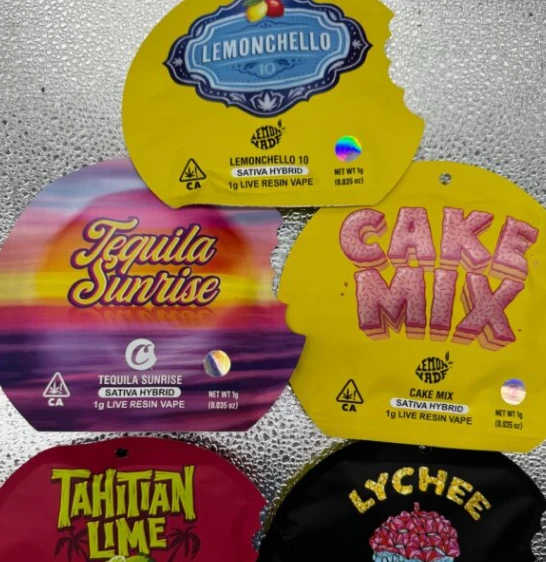
The New Jersey Angle
In New Jersey, hemp-derived CBD with less than 0.3% THC is legal at the state level, making it accessible for people who want to explore its potential wellness benefits. Since the laws are clear on hemp products, it gives local CBD enthusiasts peace of mind when incorporating it into their health and fitness routines.
That said, legal doesn’t mean unregulated—stick to products that are clearly labeled as hemp-derived, especially if your routine involves anything like melted diamonds digital art-inspired relaxation.
Integrating CBD into Your Recovery Game Plan
CBD isn’t a replacement for the basics—good nutrition, proper sleep, balanced training, and rest days. But for some people, it might make those fundamentals more effective by reducing discomfort and helping them stay consistent.
If you decide to try CBD for injury prevention:
· Start with a low dose and see how you feel.
· Track your soreness, performance, and recovery times.
· Choose a format that fits your lifestyle—topicals for targeted areas, or oral forms for overall balance.
It’s about creating a recovery plan that feels good, works for your body, and keeps you in the game longer.
The Bottom Line
The science is promising, the stories are compelling, and the risks (with quality products) are low. While CBD won’t make you injury-proof, it may help reduce inflammation, ease pain, and promote healing—key pieces in keeping your body moving.
Pair that with mindful training and recovery practices, and you’re looking at a more sustainable, injury-resistant lifestyle. Whether you’re running marathons, lifting heavy, or just keeping active, CBD could be your quiet ally in your corner.
Explore ERB-HUB’s Creative Digital Art World
The team at ERB-HUB knows that recovery isn’t just about what you do—it’s about the atmosphere you create around it. That’s why their digital art collection features inspired pieces like gas factory melted diamonds digital art, mad bites edibles digital art, big chief disposable digital art, and glitch extracts disposable vape digital art—perfect for adding personality to your downtime. Check out their menu, see the delivery process, explore their FAQ, and call now to connect with their creative world.
Author Bio
The author is a U.S.-based wellness writer and fitness enthusiast with a passion for blending science and lifestyle. With years of experience covering sports recovery, holistic health, and emerging wellness trends, his work aims to make complex research accessible and engaging. When not diving into the latest CBD studies, he enjoys trail running, yoga, and experimenting with creative recovery routines. His laid-back yet informed style resonates with readers looking for practical ways to stay active and injury-free. He believes that a balanced approach—mixing science, creativity, and self-care—is the key to sustainable health and performance.













Sign in to leave a comment.