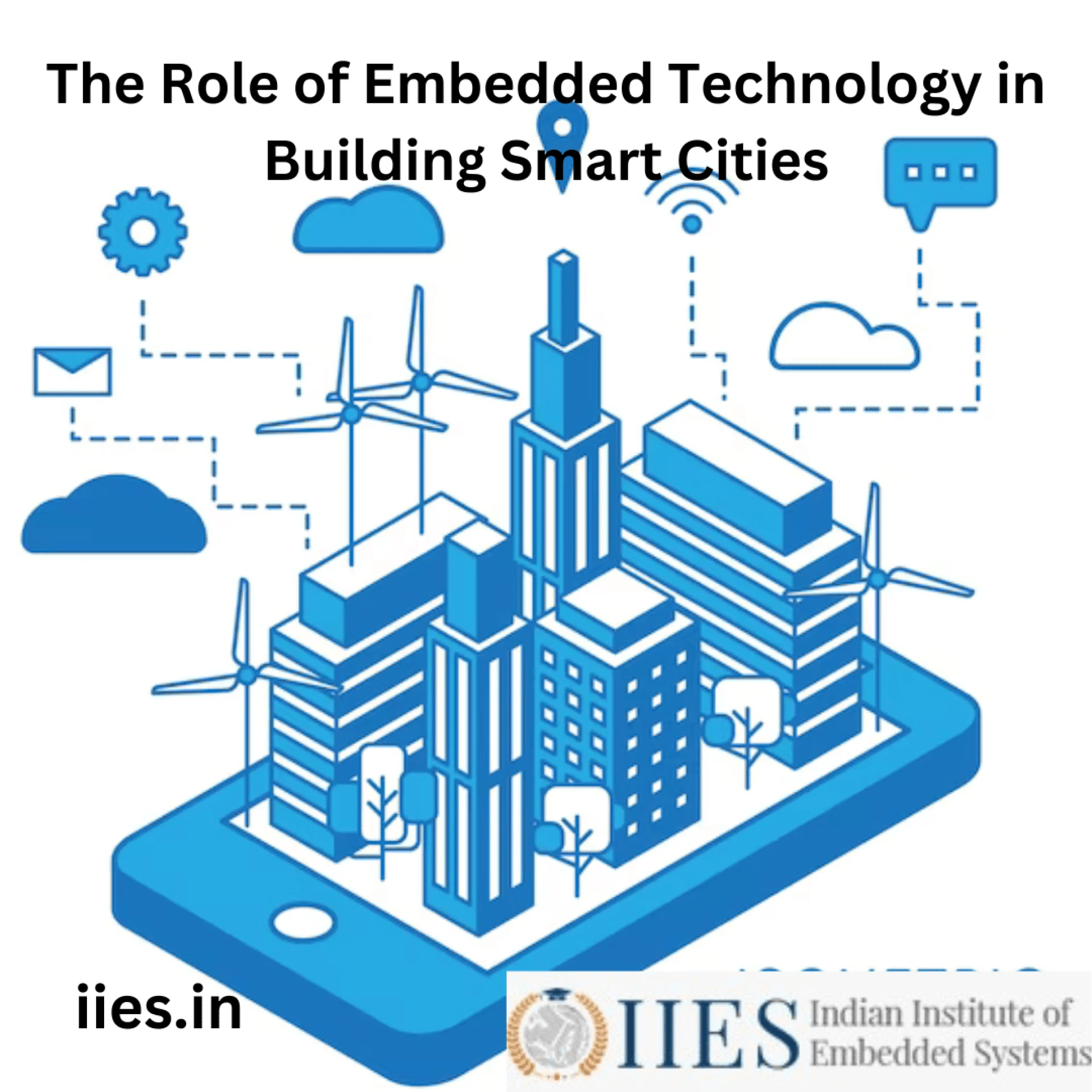

As cities continue to grow at an unprecedented rate, there is an increasing need for technological solutions that can make urban living more sustainable, efficient, and comfortable for residents. The concept of smart cities has gained significant momentum in recent years, thanks to the widespread use of embedded technology. In this blog, we will explore the various ways in which embedded technology is being used to build smart cities.
What is Embedded Technology?
Embedded technology refers to the use of electronic systems that are built into machines or devices to control or monitor mechanical or electrical functions. In other words, it is the integration of hardware and software to create smart, connected devices.
The Benefits of Embedded system for Smart Cities
There are numerous benefits of embedded technology for smart cities, including:
Energy Efficiency
Embedded technology allows for the easy monitoring and management of energy consumption in buildings, streetlights, and transportation systems. Smart buildings, for instance, can use sensors to adjust lighting and temperature settings based on occupancy and time of day, reducing energy consumption and costs.
Traffic Management
Embedded technology can be used to optimize traffic flow and alleviate congestion in busy cities. Smart traffic management systems can use sensors and analytics to adjust traffic signals in real-time, controlling the flow of traffic and reducing wait times.
Public Safety
Smart cities can use embedded technology to enhance public safety and security. For instance, surveillance cameras and sensors can be used to detect criminal activity in real-time, allowing law enforcement to respond quickly and effectively.
Waste Management
Embedded technology can help cities manage waste in a more efficient and sustainable manner. Smart garbage cans, for example, can use sensors to detect when they need to be emptied. This can reduce the number of trucks needed for waste collection, leading to a reduction in carbon emissions.
Applications of Embedded Technology in Smart Cities
There are numerous applications of embedded system in building smart cities, including:
Smart Homes
Embedding technology into homes can allow residents to control lighting, heating, and appliances remotely. Additionally, smart homes can provide information about energy consumption and suggest ways to reduce energy usage.
Intelligent Transportation Systems
Intelligent transportation systems (ITS) use embedded technology to optimize traffic flow, reduce congestion, and improve safety. For example, ITS can use sensors to detect when a vehicle is approaching an intersection, allowing traffic signals to adjust timings to prevent collisions.
Smart Grids
Embedded technology can be used to create smart grids that monitor and manage energy consumption and distribution. This can lead to more efficient energy usage and distribution, reducing energy waste and lowering costs.
Automated Waste Management
Automated waste management systems use sensors and analytics to optimize waste collection and reduce waste production. This leads to fewer trucks on the road for waste collection and lower carbon emissions.
Challenges and Limitations
Despite the numerous benefits of embedded technology for smart cities, there are several challenges and limitations to consider. These include:
Cybersecurity Risks
Smart cities are vulnerable to cyber-attacks that can disrupt services and cause significant damage. As more devices are connected to the internet, there is an increasing need for robust cybersecurity systems to protect against threats.
Infrastructure Costs
Building a smart city requires significant investment in infrastructure such as sensors, data centers, and communication networks. The cost of establishing these infrastructure can limit the adoption of embedded technology.
Privacy Concerns
Smart cities collect vast amounts of personal data through sensors and other connected devices. There is a need for policies and regulations to protect the privacy of citizens and ensure that the data is used ethically.
Conclusion
Embedded technology has significant potential to transform cities, enabling them to become more efficient,
Want to become an industry-ready embedded systems professional? Look no further than IIES, the Indian Institute of Embedded Systems. As the best embedded course providers in Bangalore, we're committed to shaping your career with expert faculty, comprehensive courses, and dedicated placement assistance.










Sign in to leave a comment.