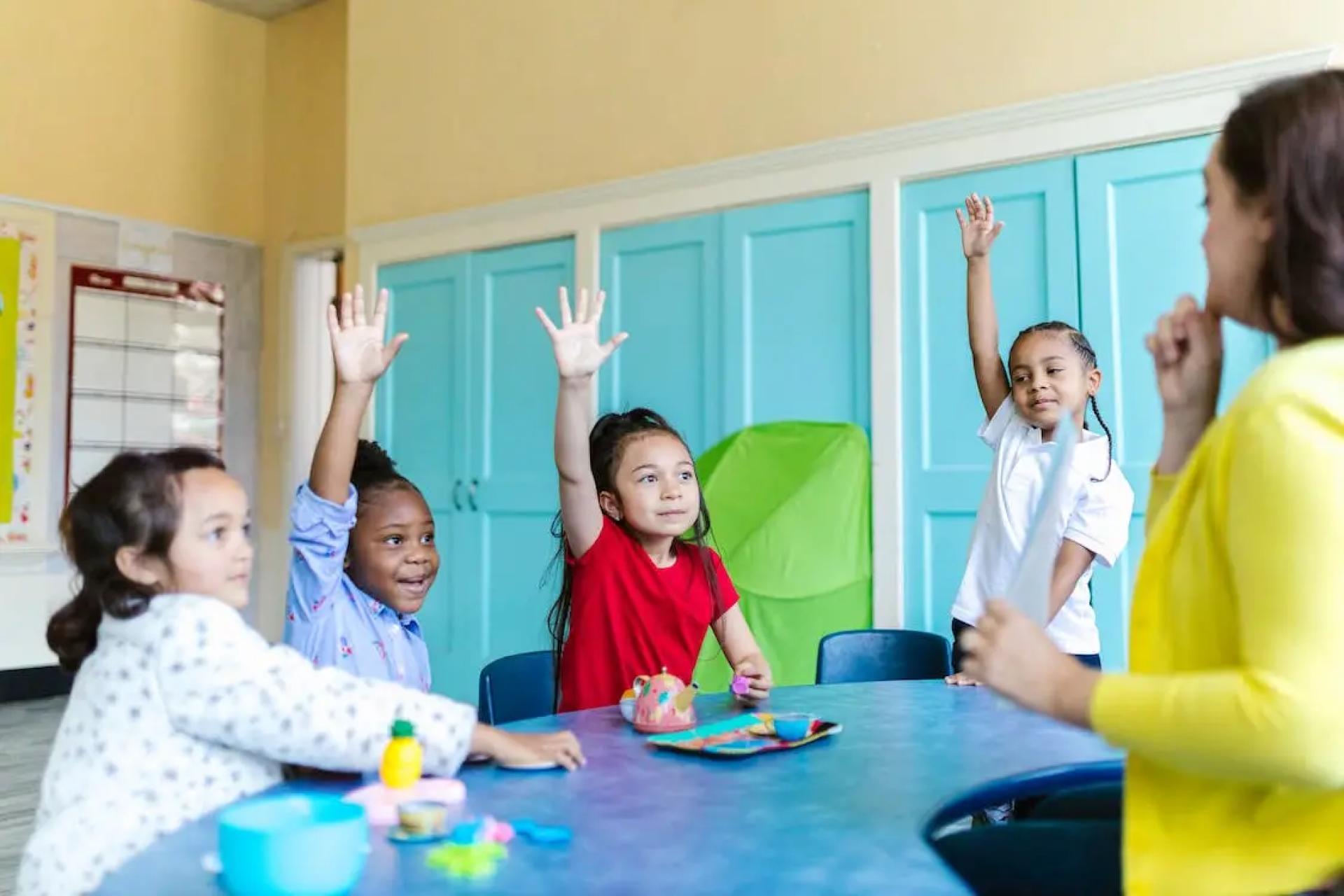

Navigating the complex landscape of special needs education involves recognizing the profound impact of emotional intelligence. More than just an academic pursuit, understanding and fostering emotional intelligence is integral to the holistic development of special needs students.
Emotional intelligence, often defined as the ability to recognize, understand, and manage one's emotions and those of others, serves as a guiding force in creating an enriching educational experience for these unique learners.
This blog will thus explore in detail how emotional intelligence contributes to the holistic development of special needs students.
Understanding Emotional Intelligence in Special Needs Education
Emotional intelligence is the guiding force that shapes the educational experience for special needs students. Comprising essential components such as self-awareness, empathy, and interpersonal skills, it becomes a beacon for creating an inclusive environment.
Self-awareness empowers students to recognize and understand their emotions, while empathy fosters meaningful connections within the diverse special needs community. Additionally, interpersonal skills, including effective communication and collaboration, play a pivotal role in building a supportive educational space.
Recognizing and addressing challenges with emotional intelligence goes beyond academic considerations, creating an atmosphere where each student feels valued and understood. In special needs education centers, prioritizing emotional intelligence is a commitment to cultivating an environment where every student can thrive emotionally and academically.
The Impact of Emotional Intelligence on Special Needs Students
· Improved Self-Awareness and Self-Regulation
For special needs students, enhanced self-awareness means a better understanding of their emotional responses to various stimuli. Recognizing their emotions allows them to develop strategies for self-regulation.
As they become more attuned to their feelings, they can navigate challenging situations with increased emotional control and resilience. This skill is particularly valuable in managing stressors that may arise in academic or social settings.
· Enhanced Communication and Social Skills
Emotional intelligence is a key driver in the improvement of communication and social skills among special needs students. By gaining insight into their emotions, they can more effectively convey their thoughts and feelings to others.
This heightened ability to express themselves contributes to more meaningful connections with peers, educators, and caregivers. In turn, it fosters a positive and inclusive social environment, promoting a sense of belonging for special needs students.
· Positive Effects on Academic Performance and Overall Well-Being
The positive effects of emotional intelligence extend to academic performance and overall well-being. By creating an emotionally supportive environment, special needs students can experience a more positive emotional state conducive to learning.
This emotional resilience contributes to improved academic performance and, importantly, positively influences their overall well-being, contributing to a more optimistic approach to education.
Strategies for Developing Emotional Intelligence in Special Needs Education
Implementing a diverse range of strategies ensures a comprehensive and personalized approach to developing emotional intelligence in special needs education. Here are some effective ways of doing this:
1. Tailoring Teaching Methods
Teachers in special needs education can tailor their teaching methods to prioritize self-awareness. Incorporating activities that encourage reflection, such as journaling or group discussions, provides students with the opportunity to explore and understand their emotions. These tailored approaches create a safe space for self-discovery, fostering a deeper connection with themselves and their peers.
2. Social-Emotional Learning (SEL)
The integration of Social-Emotional Learning (SEL) into the curriculum provides a structured framework for the development of emotional intelligence. SEL lessons focusing on empathy, communication, and conflict resolution equip special needs students with practical tools for navigating social interactions and emotional experiences. These lessons contribute not only to academic growth but also to the overall emotional well-being of the students.
3. Peer Mentoring Programs
Peer mentoring programs play a crucial role in enhancing emotional intelligence by fostering positive social interactions and connections. Pairing special needs students with neurotypical peers creates an inclusive environment where emotional understanding can flourish. Peer mentors serve as positive role models, demonstrating healthy emotional expression and social interactions. Special needs students, in turn, benefit from genuine connections, shared experiences, and a supportive network.
4. Mindfulness Practices
Mindfulness practices are valuable tools for developing emotional intelligence in special needs education. Incorporating activities such as guided meditation, deep breathing exercises, and sensory-focused practices helps students become more attuned to their emotions. Mindfulness encourages present-moment awareness, allowing special needs students to observe and acknowledge their feelings without judgment.
5. Art and Expressive Therapies
Art and expressive therapies offer unique avenues for emotional expression and self-discovery in special needs education. Creative activities such as art, music, or drama provide non-verbal outlets for students to communicate their emotions. These therapeutic approaches create a safe space for emotional exploration and expression, allowing students to convey their feelings in ways that may be challenging verbally.
6. Sensory Regulation Techniques
Incorporating sensory regulation techniques into the classroom environment can also be instrumental in developing emotional intelligence among special needs students. Creating sensory-friendly spaces, providing access to fidget tools, and incorporating sensory breaks help students regulate their emotions by addressing sensory sensitivities.
The Necessity of Collaborative Action
Overall, a collaborative approach involving educators, parents, and therapists is fundamental for the holistic development of emotional intelligence. Regular communication ensures that strategies for developing emotional intelligence are consistent across various environments, reinforcing emotional skills at home and in the classroom.
This collaborative effort creates a unified support system that nurtures the emotional growth of special needs students, emphasizing the importance of a holistic and community-oriented approach to education. So if you’d like your child with special needs to receive an education that encourages and supports emotional intelligence, you should look into KARUNA Schools for Special Education in Hyderabad.
KARUNA, a beacon among Schools for Special Children in Hyderabad, emerged from a couple's commitment to provide deserving education for special needs students, including those with Autism in Kondapur. With a multidimensional education model, trained educators, and customized curriculums, KARUNA ensures a tailored learning experience. Thorough assessments guide individualized support, making it an ideal choice among Schools for Autism Kondapur. Explore more on their website for a specialized and nurturing educational environment for your child.
About The Author
The author is a retired special needs education specialist who often writes informative and helpful guides for KARUNA School.

























Sign in to leave a comment.