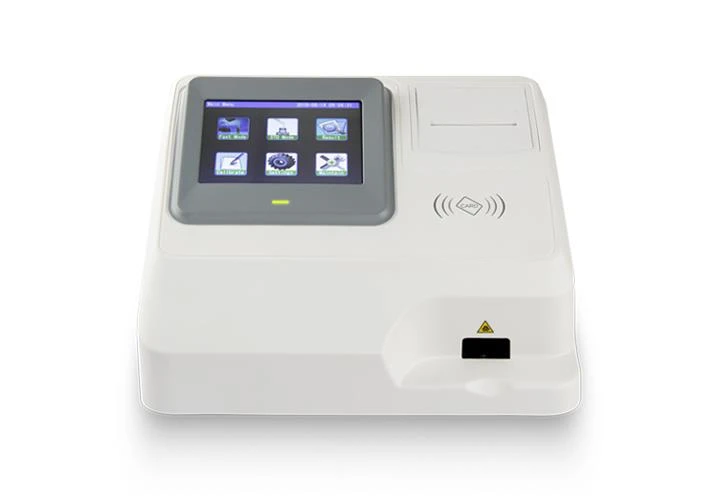

As it enables the identification and measurement of certain proteins or antibodies in biological samples, the immunofluorescence analyzer plays a critical role in medical diagnostics. The analyzer makes use of fluorescent dyes that bond to the sample's target molecules and make them visible under a microscope. Its high sensitivity and specificity make it an effective diagnostic tool for a variety of illnesses, including cancer, autoimmune diseases, and infectious diseases.
The immunofluorescence analyzer aids in the early diagnosis and treatment of these conditions, providing accurate and reliable results. Its ability to detect and quantify the presence of viral antigens, autoantibodies, and cancer biomarkers makes it a powerful tool for identifying the cause of an illness. Moreover, it can monitor disease progression and treatment effectiveness, aiding in the development of targeted treatment plans.
The immunofluorescence analyzer has revolutionized medical diagnosis and has become an essential tool for clinicians and researchers alike. Its high sensitivity and specificity make it a reliable method for identifying the cause of an illness, providing accurate and timely diagnosis, and improving patient outcomes.









Sign in to leave a comment.