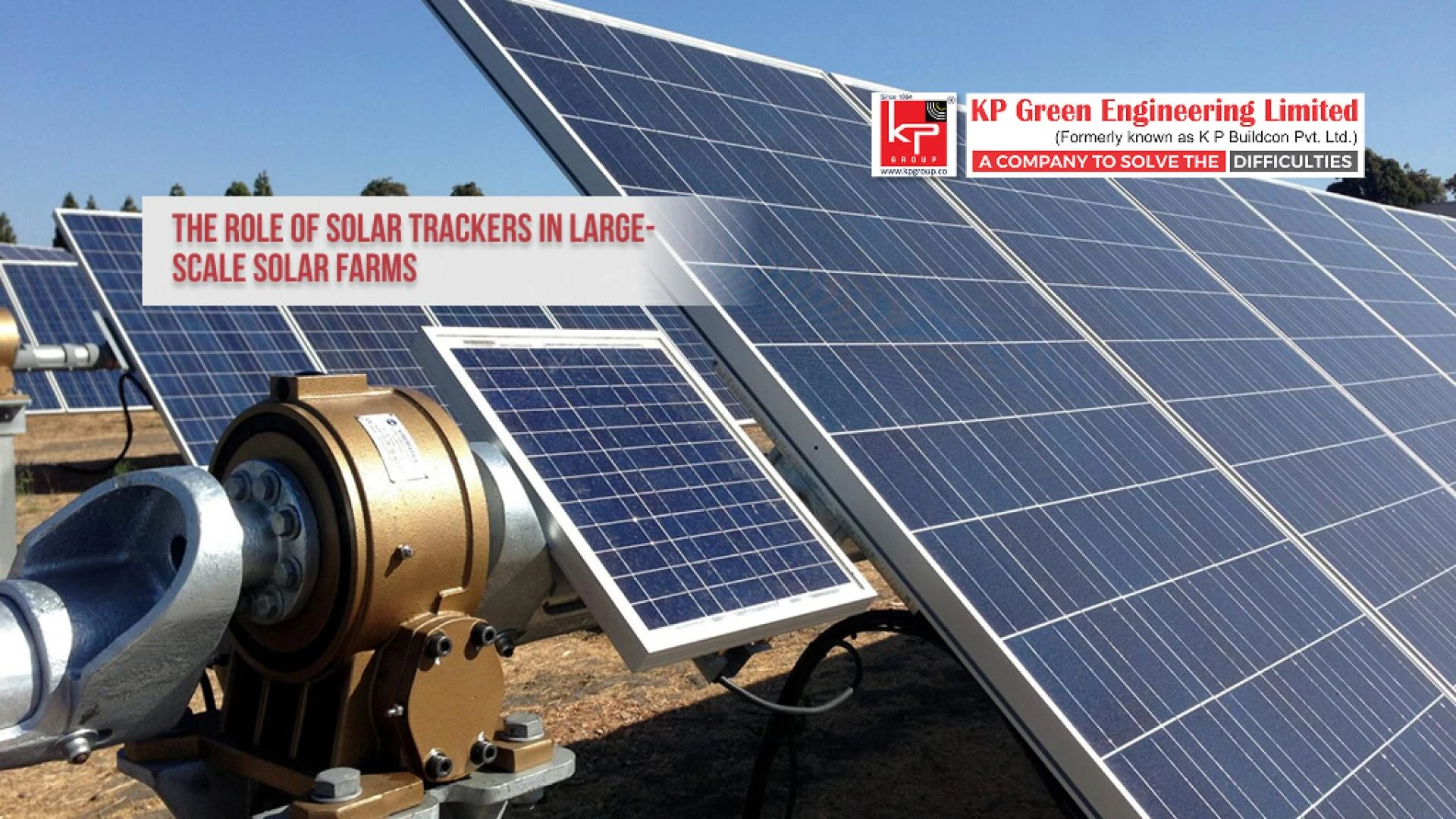

Solar trackers often get most of the attention in large solar farms. They move the panels and keep them facing the sun. But the mounting structure is just as important. Without a strong frame, even the best tracker cannot perform well.
I have seen projects with advanced tracker systems fail to deliver expected output. The controls worked fine, but the mounting structures were weak. The system lost efficiency because the base could not hold steady. To improve solar tracker efficiency, the mounting frame has to be taken as seriously as the tracker itself.
Why Mounting Structures Matter More Than We Admit
A tracker’s job is simple on paper. It rotates panels so they follow the sun. Out in the field, conditions are tougher. Soil shifts. Wind loads change. Heat and cold expand and contract the metal. The structure has to handle all of this while keeping the panels aligned.
Even small misalignments can reduce efficiency. A few percentage points lost each year becomes a major loss over the project’s lifetime. This is where solar module mounting structure manufacturers affect overall performance. They are not just providing steel and aluminum. They are shaping the long-term reliability of the entire plant.
The Overlooked Engineering Challenge
Mounting structures are exposed to every kind of weather. Hot, wet, or freezing conditions. Unlike electronics, you cannot replace them after a few years. Once installed, they stay for decades.
Yet they are often treated as commodities. Developers choose based on steel thickness or cost and move on. This approach causes problems. The design of the structure affects how the tracker moves, how it resists wind, and how it fights corrosion.
Details like galvanization quality, weld strength, and bolt design make the difference. Get them wrong and the tracker will not perform as promised. I have seen rows twist out of position after storms because posts were too shallow. The motors worked fine, but the frames bent just enough to throw the system out of alignment.
Efficiency Isn’t Only About Electronics
Many assume efficiency comes from smarter controls. Sensors, software, predictive systems. These are useful, but they cannot fix a sagging beam or a shifted foundation. Mechanical strength must come first.
Solar tracker efficiency depends as much on structure as it does on software. Good manufacturers understand this. They also know designs must match the site. A tracker frame that works in Arizona may not hold up in Rajasthan. Soil type, wind, and seismic risk all matter. The best suppliers adapt their structures to each project. That level of care often separates strong performance from poor results.
Challenging a Common Assumption
Not every project needs the highest possible efficiency. In some cases, a fixed-tilt system with strong mounting structures provides better long-term returns than a weaker tracker setup.
Trackers make sense when paired with reliable structures that can handle decades of stress. Without that, the system may look good in year one but lose value quickly.
The Human Side of Manufacturing
Visit a factory where mounting structures are made and you see how much depends on people. Machines cut and weld, but choices about steel grade, coating thickness, and inspection define quality.
Manufacturers that choose conservative designs—thicker beams, deeper footings, stricter checks—produce structures that last. They may cost more, but the systems stay aligned through storms and soil shifts. Trackers then keep their efficiency even after fifteen years.
Looking Ahead
Solar plants are moving into harsher locations. Rocky land, cyclone zones, high wind areas. Trackers will need to move faster and stay steady under pressure.
Mounting structures must evolve with them. Stronger alloys, smarter anchoring, better integration with monitoring. Some day the structures themselves may include sensors that report stress data back to the system. The next big gain in tracker efficiency may come from better steel in the ground, not just better software.










Sign in to leave a comment.