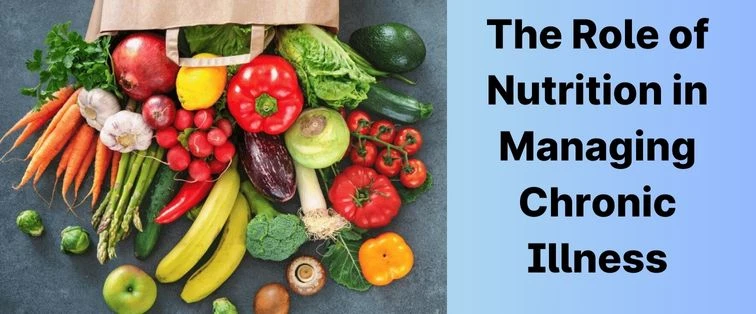

Nutrition plays a vital role in managing chronic illness, and its impact cannot be overstated. Chronic illness refers to conditions that last longer than three months and often require ongoing medical attention. Chronic illnesses, such as diabetes, heart disease, chronic obstructive pulmonary disease, and autoimmune disorders, affect millions of people worldwide and pose significant challenges to individuals, families, and society. However, a healthy diet can help prevent and manage chronic illnesses, and even reduce the risk of developing new conditions.
In recent years, there has been an increasing emphasis on the importance of nutrition in managing chronic illness, with research showing that dietary changes can have a significant impact on disease progression and treatment outcomes. As such, it is crucial to prioritize nutrition as part of a comprehensive approach to managing chronic illness, alongside medical treatments and other lifestyle changes.
The Relationship between Nutrition and Chronic Illness
The relationship between nutrition and chronic illness is complex, as diet impacts not only disease prevention but also disease progression and treatment outcomes. For example, a diet high in fruits, vegetables, whole grains, and lean proteins can help reduce inflammation and improve insulin sensitivity, which is essential in managing conditions like diabetes and heart disease. Additionally, specific diets like the Mediterranean diet, the DASH diet, and the low FODMAP diet have been shown to improve symptoms in individuals with chronic illnesses like Crohn's disease, Irritable Bowel Syndrome, and Multiple Sclerosis, respectively.
Supporting Statistics and Studies
Studies have shown that dietary changes can have a significant impact on chronic illness. For example, a study published in the Journal of the American Medical Association found that a low-fat, plant-based diet can improve cardiovascular health and reduce the risk of heart disease by up to 40%. Another study in the British Medical Journal found that a diet rich in fruits and vegetables can lower the risk of developing cancer by up to 15%.
Diverse Perspectives on Nutrition and Chronic Illness
However, access to nutritious food is a significant challenge for many individuals, especially those from low-income communities, communities of colour, and marginalized populations. The cost of healthy food, limited access to grocery stores and fresh produce, and cultural and social factors can all contribute to poor nutrition and an increased risk of chronic illness. Furthermore, some individuals with chronic illnesses may face unique dietary challenges, such as food allergies, digestive issues, or difficulty swallowing, which can further complicate their ability to obtain adequate nutrition.
Challenges and Barriers to Implementing Dietary Changes
While the benefits of a healthy diet for managing chronic illness are clear, implementing dietary changes can be challenging for many individuals. There are several barriers and challenges that can make it difficult for people to adopt and maintain healthy eating habits.
One of the most significant barriers to implementing dietary changes is the availability and accessibility of healthy foods. Many individuals, particularly those living in low-income or rural areas, may not have easy access to fresh, nutritious foods, such as fruits and vegetables. This lack of access can make it challenging for individuals to follow a healthy diet and make it more likely that they will rely on processed or convenience foods, which are often high in calories, sugar, and sodium.
Another challenge is the high cost of healthy foods. Fresh produce and other healthy foods can be expensive, making it difficult for individuals on a tight budget to afford a nutritious diet. This cost barrier can be particularly challenging for those living on fixed incomes, such as seniors or people with disabilities, who may have limited financial resources to devote to food.
Overcoming these challenges and barriers requires a multi-faceted approach, including community-based initiatives, policy changes, and personal responsibility. Strategies like community gardens, farmers' markets, and nutrition education programs can help increase access to fresh produce and promote healthier eating habits. Additionally, policies that support healthy food options in schools, workplaces, and healthcare settings can help improve overall nutrition and reduce the risk of chronic illness.
Practical Tips for Overcoming Barriers to Nutrition
Individuals can also take personal responsibility for their nutrition by making small, gradual changes to their diet, such as reducing sugar intake, increasing water consumption, and adding more fruits and vegetables to their meals. Working with a registered dietitian or nutritionist can also provide valuable guidance and support in managing chronic illness through diet and lifestyle changes.
The Call-to-Action for Prioritizing Nutrition in Managing Chronic Illness
In conclusion, the role of nutrition in managing a chronic illness cannot be overlooked. A healthy diet can prevent and manage chronic illness and improve overall health outcomes. However, access to nutritious food remains a significant challenge for many individuals, requiring a multi-faceted approach to address. It is essential to prioritize nutrition and advocate for policies and initiatives that promote healthy eating habits and improve access to nutritious food for all.












Sign in to leave a comment.