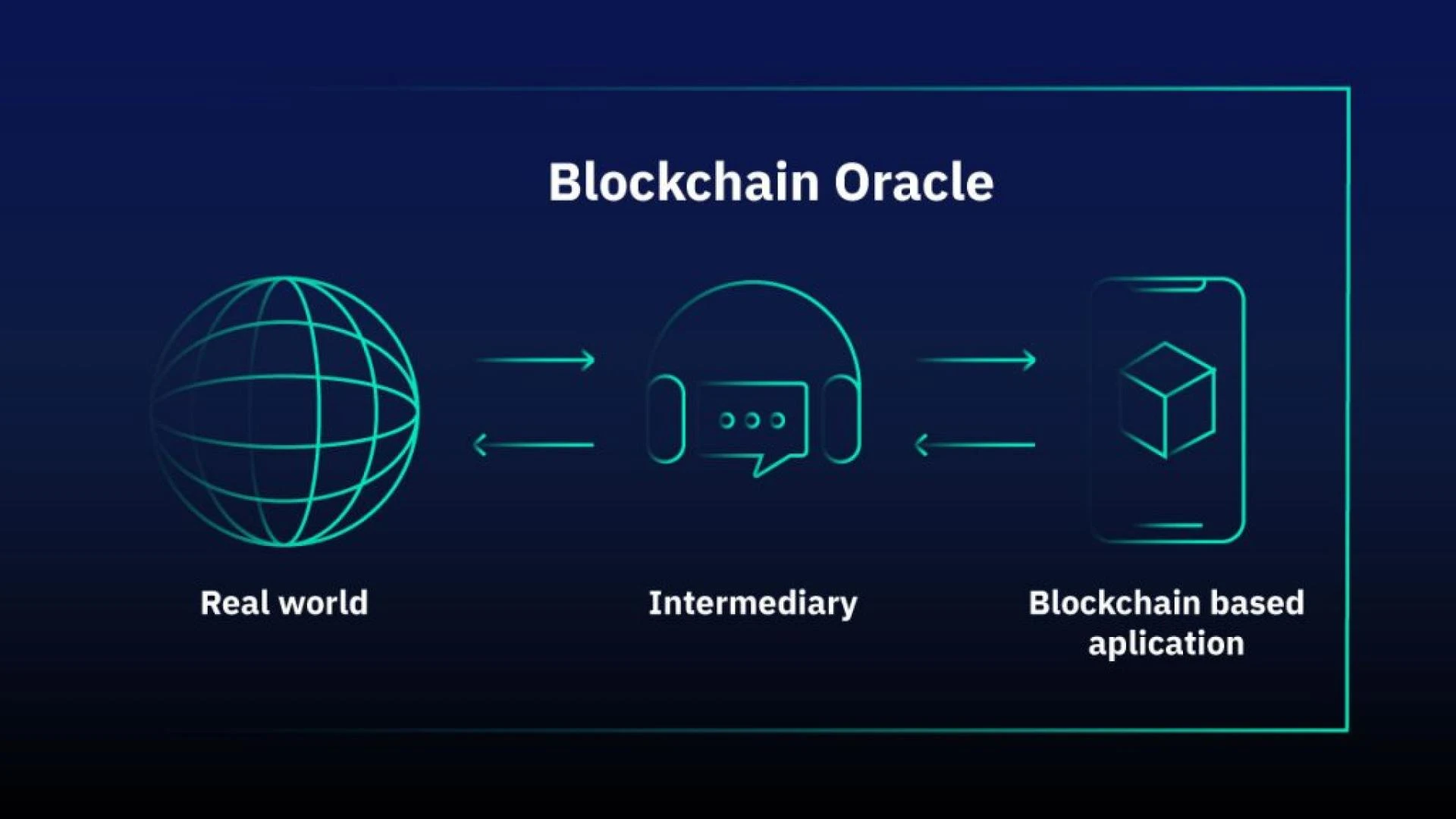

I\'ve spent years in the trenches of decentralized finance, witnessing firsthand the transformative power of blockchain technology. But there\'s one component that continues to enthrall me – the enigmatic oracle. Imagine a world where trustless systems, like decentralized exchanges (DEXs), can interact with the messy, real-world data that fuels our daily lives. Sounds impossible, right? Enter the oracle – a silent, yet indispensable, hero bridging the gap between the digital and the tangible.
These oracles aren\'t your average fortune tellers; they\'re sophisticated systems that act as gateways, fetching crucial information from the outside world and feeding it into the veins of smart contracts that power DEXs. This empowers these contracts to make informed decisions based on real-time data, be it the fluctuating price of an asset or the outcome of a global event.
The implications are nothing short of revolutionary. With oracles in the mix, DEXs can unlock a universe of possibilities. Imagine a world where:
- Decentralized lending and borrowing becomes seamless, with loan rates automatically adjusting based on real-world market conditions.
- Stablecoins maintain their peg to real-world assets, ensuring their value remains tethered to the tangible world.
- Prediction markets thrive, allowing users to wager on real-world events with complete transparency and security.
This is just the tip of the iceberg. Oracles hold the key to unlocking the full potential of DEXs, propelling them from niche tools to mainstream financial platforms. So, buckle up, because as we delve deeper into the role of oracles, we\'re about to embark on a journey that will redefine the future of finance.
Understanding the Oracle Enigma
An oracle, in the context of DEXs, acts as a bridge, fetching and relaying real-world data into the blockchain. This crucial information feeds into smart contracts, the self-executing code that governs transactions on DEXs. Imagine a scenario where you want to trade tokens on a DEX. The price you see depends on the accuracy of data like market prices, exchange rates, or even the outcome of a real-world event, all of which reside outside the blockchain. Oracles bring this external data on-chain, enabling smart contracts to function effectively.
The Many Faces of Oracles
Oracles come in various forms, each with its own strengths and limitations:
- Centralized Oracles: These oracles rely on a single source for data, raising concerns about censorship and manipulation. While simple to implement, they undermine the very principles of decentralization.
- Decentralized Oracles: These distribute data collection and verification across a network of nodes, enhancing security and trust. However, they can be complex to implement and may face challenges in achieving consensus.
- Data Feeds: These oracles aggregate data from multiple sources, increasing reliability. However, they may still be susceptible to manipulation if the underlying sources are compromised.
Decentralized Exchange Development teams must carefully consider the type of oracle they integrate based on the specific needs of their platform, prioritizing security, accuracy, and decentralization.
Unlocking the Potential of DEXs with Oracles
Oracles enable a diverse range of functionalities within DEXs, propelling them beyond simple token swaps:
- Automated Market Making (AMM): Oracles provide crucial price feeds for AMMs, the self-balancing mechanisms driving liquidity on DEXs. This ensures fair and efficient price discovery based on real-world market conditions.
- Margin Trading: By leveraging price feeds from oracles, DEXs can facilitate margin trading, allowing users to leverage their assets for potentially higher returns.
- Decentralized Insurance (DeFi Insurance): Oracles play a critical role in enabling the creation of DeFi insurance products. They can provide data on events triggering payouts, such as exchange hacks or smart contract exploits.
- Prediction Markets: Oracles allow users to wager on real-world events like sports results or political outcomes. Smart contracts automatically determine payouts based on data provided by oracles, ensuring transparency and security.
These are just a few examples, and as Decentralized Exchange Development evolves, oracles will continue to fuel innovation, paving the way for a future of truly decentralized finance.
Challenges and Considerations for Oracle Integration
While oracles offer tremendous potential, there are challenges that need to be addressed:
- Security: Ensuring the integrity of data transmitted by oracles is critical. Robust security measures must be implemented to prevent malicious actors from tampering with data feeds.
- Scalability: As the use of DEXs grows, oracles need to be scalable enough to handle the increasing demand for data and ensure efficient operations.
- Centralization Risks: Even with decentralized oracles, the selection and management of nodes within the network can introduce centralization risks. Developers need to carefully consider these risks and strive for a balance between security, decentralization, and efficiency.
Decentralized Exchange Development teams must be aware of these challenges and actively contribute to the development of secure, scalable, and truly decentralized oracle solutions.
Conclusion
Oracles are the unsung heroes of the DEX revolution, acting as the bridge between the blockchain and the real world. As Decentralized Exchange Development continues to flourish, the role of oracles will become even more crucial in shaping the future of decentralized finance. With continued innovation and collaboration, oracles have the potential to unlock the full potential of DEXs, ushering in a new era of transparent, secure, and accessible financial services.






Sign in to leave a comment.