

Finance management has become increasingly complex as businesses navigate evolving regulations, changing workforce structures, and growing demands for financial transparency. Modern finance teams are expected to contribute far more than traditional bookkeeping and reporting. They now play an active role in planning, forecasting, risk management, and strategic decision-making. As these responsibilities continue to expand, many organisations are exploring new ways to manage workloads efficiently. Outsourcing has emerged as a practical solution, providing access to specialist expertise while helping businesses maintain flexibility and focus on long-term objectives.
Finance Teams Are Being Asked to Do More
The responsibilities of finance departments have changed significantly over the past decade. Business leaders now expect finance teams to provide valuable insights that support growth, improve efficiency, and strengthen decision-making.
Alongside traditional responsibilities such as reporting and compliance, finance professionals are increasingly involved in budgeting, performance analysis, forecasting, and strategic planning. While these expanded responsibilities create opportunities for greater business impact, they can also place considerable pressure on internal resources.
As organisations grow, maintaining the same level of support across all financial functions can become challenging. This is one of the reasons why outsourcing has gained traction among businesses seeking greater operational flexibility.
The Shift Towards Specialised Support
Rather than attempting to manage every financial process internally, many businesses are recognising the value of specialist expertise.
Outsourcing allows organisations to access professionals with specific skills and industry knowledge without the commitment associated with expanding internal teams. This approach enables businesses to strengthen financial processes while maintaining a leaner operating structure.
The shift towards specialist support is not solely about reducing costs. Increasingly, organisations are focused on improving service quality, maintaining consistency, and ensuring that critical financial functions receive the attention they require.
Access to dedicated expertise can also help businesses adapt more effectively to changing market conditions and regulatory requirements.
Areas Commonly Supported Through Outsourcing
Financial operations consist of numerous interconnected functions, many of which require significant time and resources to manage effectively.
Businesses frequently outsource areas such as:
- Financial reporting and reconciliation
- Accounting administration
- Payroll processing
- Compliance support
- Financial analysis and documentation
- Audit preparation activities
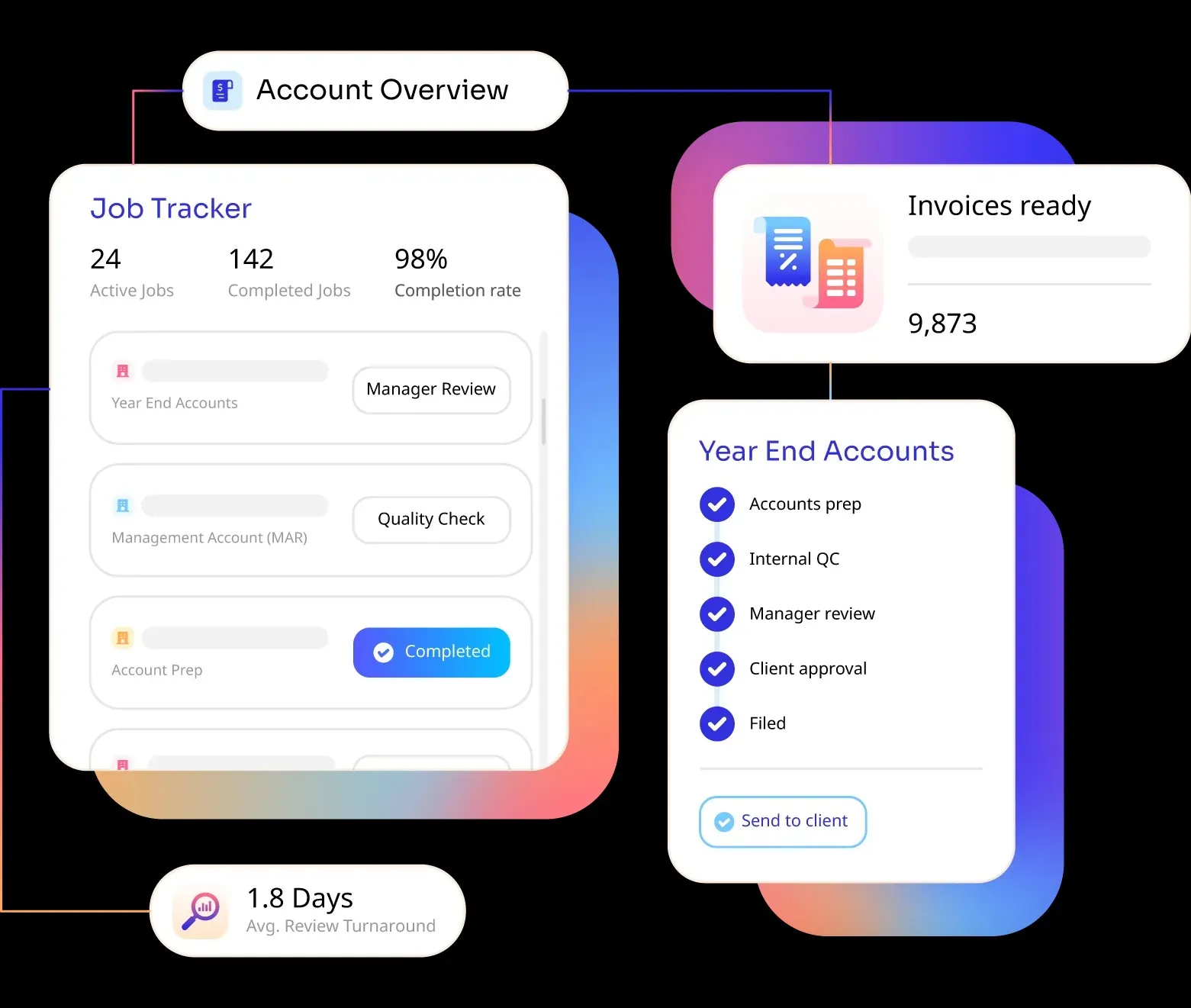
Among these functions, accounting outsourcing has become particularly popular among growing organisations. By leveraging external accounting support, businesses can maintain accurate financial records while allowing internal teams to focus on higher-value activities.
This approach often helps improve workflow efficiency and ensures that financial information remains organised and accessible.
Reducing Complexity Without Expanding Headcount
Business growth often brings additional operational demands. More transactions, increased reporting requirements, and larger workforces can all contribute to greater complexity within finance functions.
Traditionally, organisations may have addressed these challenges by recruiting additional employees. However, recruitment can be time-consuming and may not always provide the flexibility businesses require.
Outsourcing offers an alternative approach. Instead of increasing headcount, organisations can access specialist support according to their specific requirements. This flexibility enables businesses to manage changing workloads more effectively while avoiding many of the challenges associated with recruitment, onboarding, and ongoing workforce management.
As a result, companies can continue expanding their operations without placing excessive strain on internal teams.
When Efficiency Becomes a Competitive Advantage
Operational efficiency has become an increasingly important factor in business performance. Organisations that can access accurate financial information quickly and maintain streamlined processes are often better positioned to respond to opportunities and challenges.
Outsourcing contributes to this efficiency by ensuring that essential financial functions are managed consistently and professionally. Rather than diverting internal resources towards routine administrative tasks, businesses can focus on activities that directly support growth and customer relationships.
This ability to allocate resources strategically can create a significant advantage, particularly in competitive markets where responsiveness and adaptability are highly valued.
Payroll Management in a Changing Workplace
Workplace structures continue to evolve, creating new challenges for payroll administration. Hybrid working arrangements, expanding workforces, and changing compliance requirements have increased the complexity of payroll management for many organisations.
Accurate payroll processing remains essential, not only for compliance purposes but also for maintaining employee trust and satisfaction.
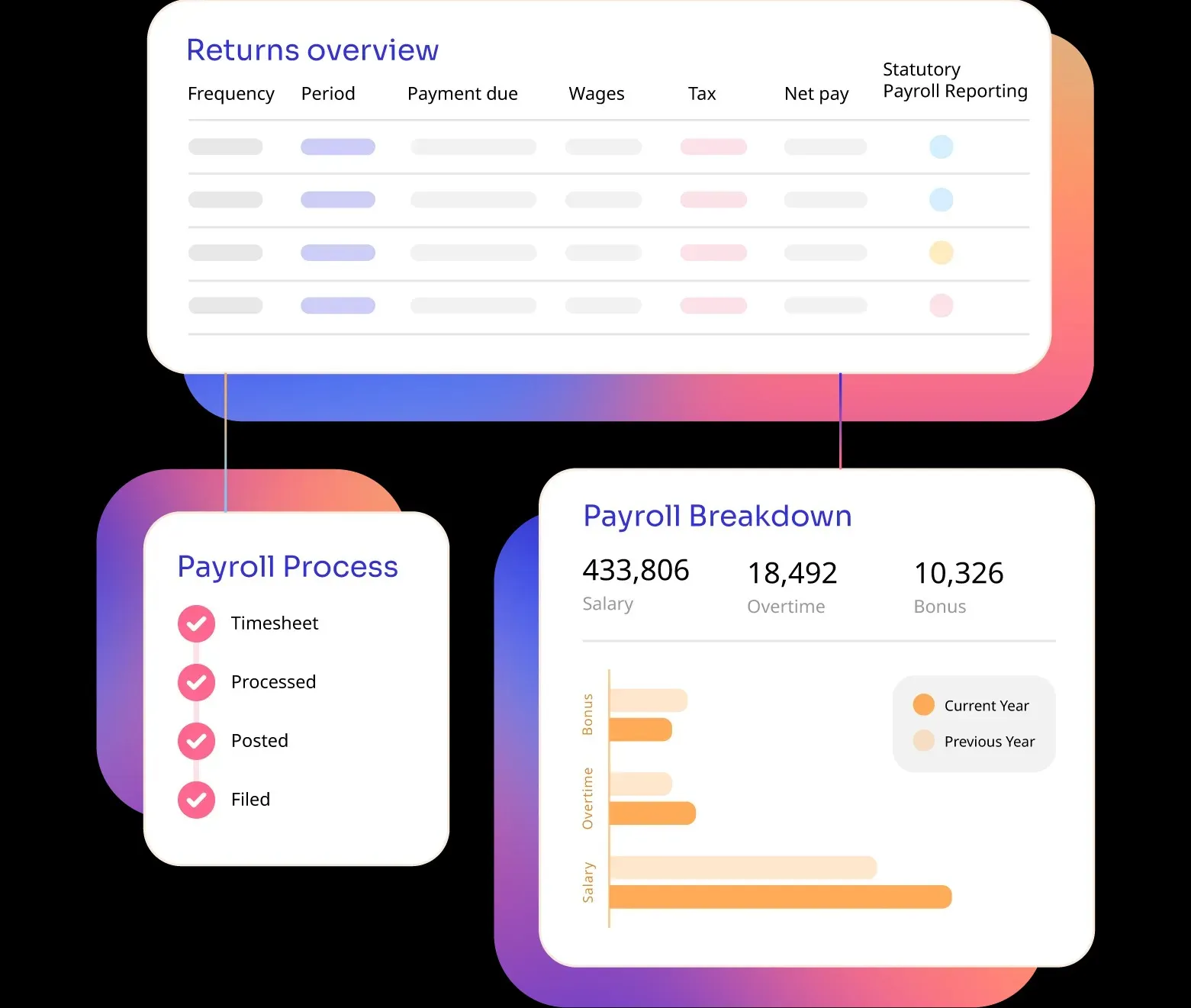
To manage these responsibilities more effectively, many businesses choose to outsource payroll functions to specialist providers. This allows organisations to benefit from dedicated payroll expertise while reducing the administrative burden placed on internal teams.
By outsourcing payroll activities, businesses can improve processing accuracy, maintain consistency, and ensure that payroll obligations are handled efficiently.
Building a More Adaptable Finance Function
A modern finance function must be capable of adapting to changing business needs. Outsourcing provides a level of flexibility that can be difficult to achieve through traditional operating models.
| Traditional Approach | Outsourcing Approach |
| Fixed internal capacity | Flexible access to support |
| Recruitment and training costs | Immediate access to expertise |
| Limited scalability | Support that grows with business needs |
| Resource constraints during busy periods | Additional capacity when required |
| Broad internal responsibilities | Specialist-focused expertise |
This flexibility allows organisations to respond more effectively to growth opportunities while maintaining operational stability.
For many organisations, accounting outsourcing offers a practical way to access specialist financial support while maintaining a streamlined internal structure.
Looking Ahead: The Future of Finance Operations
The future of finance management is likely to be shaped by a combination of technology, specialist expertise, and operational agility. As businesses continue to seek greater efficiency, outsourcing is expected to remain an important component of modern financial strategies.
Organisations increasingly recognise that access to specialist support can strengthen financial processes, improve reporting accuracy, and create greater capacity for strategic activities. Likewise, businesses that outsource payroll often benefit from improved consistency and reduced administrative pressures.
As financial requirements continue to evolve, outsourcing provides a practical way for organisations to remain agile while maintaining strong financial oversight.
Conclusion
Outsourcing plays an increasingly important role in modern finance management by helping businesses access specialist expertise, improve efficiency, and adapt to changing operational demands. From accounting outsourcing that supports accurate financial management to organisations that outsource payroll to streamline workforce administration, specialist support allows internal teams to focus on strategic priorities. As businesses continue to grow and evolve, outsourcing offers the flexibility and expertise needed to maintain effective financial operations. Befree helps organisations strengthen their finance functions through tailored outsourcing solutions designed to support efficiency, scalability, and long-term success.



























Sign in to leave a comment.