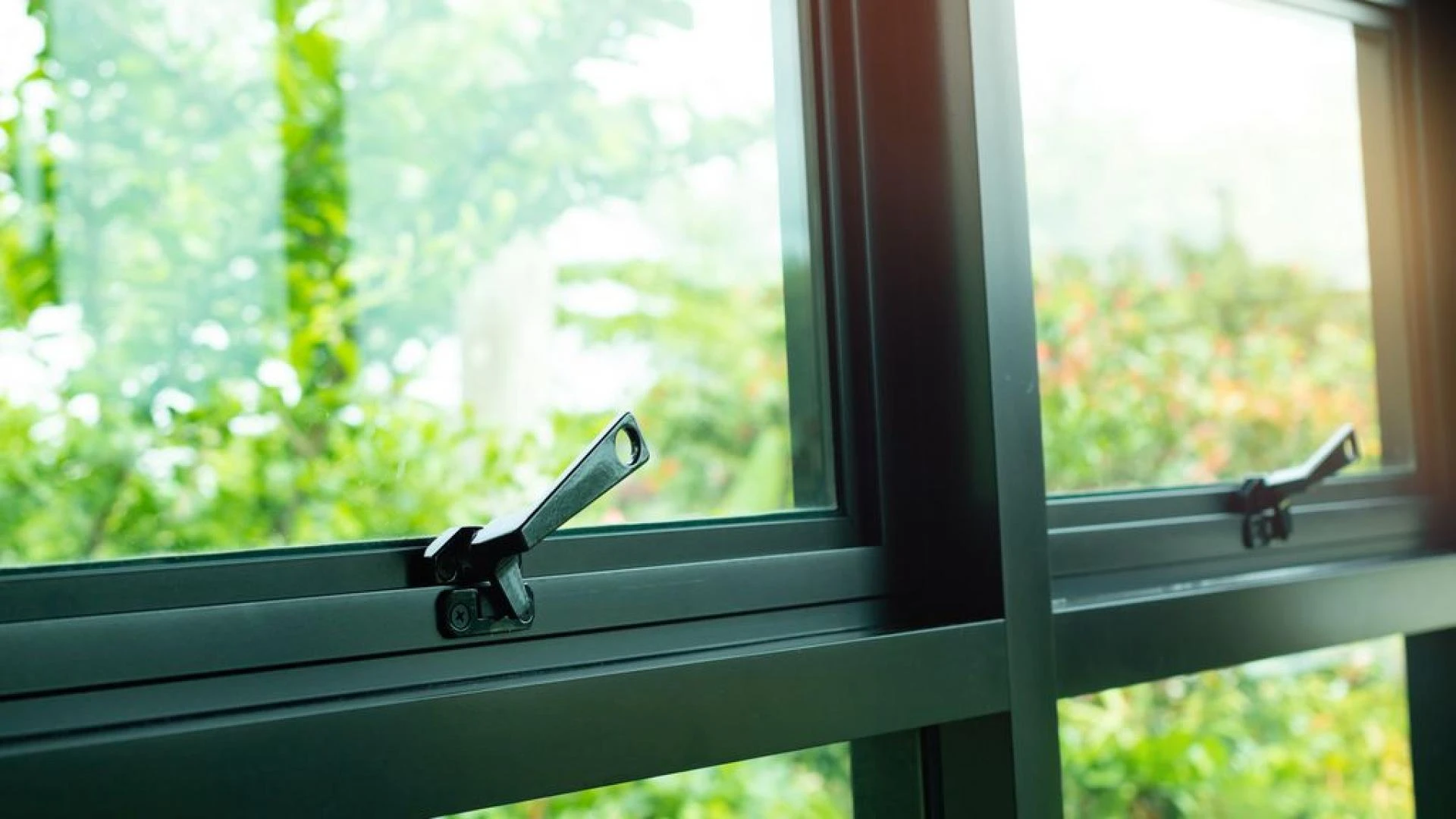

When homeowners think about securing their property, their first thoughts usually focus on doors, alarm systems, and surveillance cameras. However, windows are often the weakest link in a home’s security chain, and the humble window handle plays a surprisingly critical role in protecting against break-ins.
Window handles are not just about opening and closing windows—they are essential components that can determine whether a home is an easy target or a secure fortress. In this article, we’ll explore how handles contribute to home security, the types of handles that offer the best protection, and what to look for when upgrading or replacing them.
Why Window Handles Matter for Security
A window’s lock is only as strong as the handle that controls it. If a handle is poorly designed, weak, or damaged, it can easily be manipulated or forced open, allowing intruders quick access to your home.
Key security roles handles play include:
Controlling the locking mechanism inside the window frame.
Preventing external manipulation of the latch or mechanism.
Restricting how far the window can open, especially useful for ventilation without compromising safety.
Providing key-operated security, especially on ground floor or accessible windows.
An effective handle turns a standard window into a secure barrier, while a subpar one can nullify even the strongest locks.
Common Types of Window Handles and Their Security Features
a) Espagnolette Handles
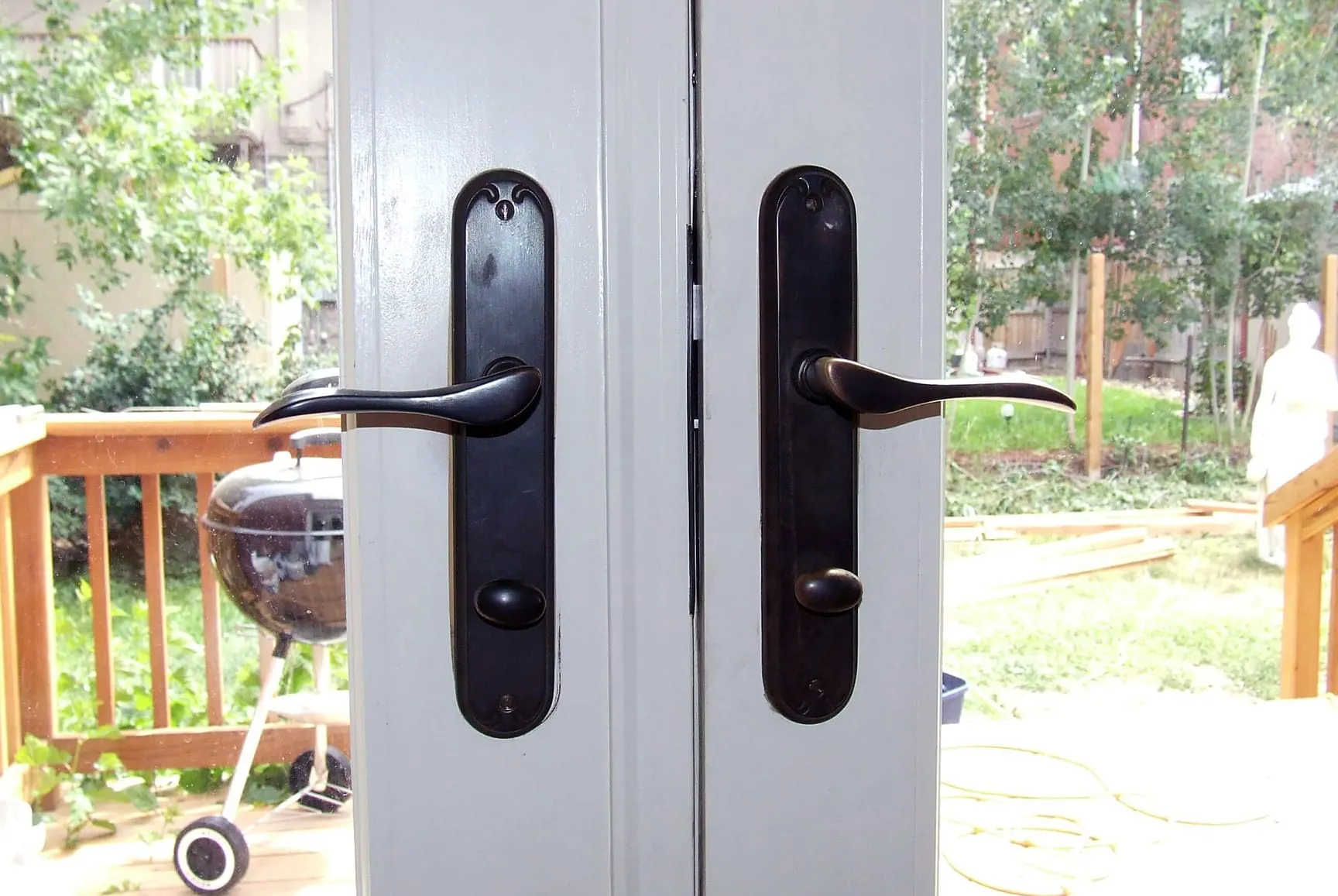
These are commonly used on modern uPVC windows. The handle operates a multi-point locking mechanism, which engages several locks along the window frame when turned.
Security benefit: Multi-point locking makes it extremely difficult to force the window open.
Upgrade tip: Choose models with key-locking capabilities for added protection.
b) Cockspur Handles
Usually found on older uPVC or aluminium windows, cockspur handles have a spur that latches over a catch.
Security drawback: These handles can be vulnerable to forced entry.
Upgrade tip: Replace with espagnolette or shootbolt handles if possible.
c) Tilt and Turn Handles
Common on European-style windows, these allow the window to tilt for ventilation or swing fully open for cleaning or emergency exits.
Security benefit: These are usually built with robust locking mechanisms and can only be operated when in the correct position.
Upgrade tip: Ensure the handle includes a lock to prevent misuse or unauthorized access.
d) Sash Handles (Fitch Fasteners)
Used on traditional sliding sash windows, these are often surface-mounted and operate by twisting a latch.
Security tip: Modern fitch fasteners come with key-lockable options.
Upgrade tip: For older sash windows, consider retrofitting locking restrictors.
Key Features of Secure Window Handles
When shopping for handles that enhance security, look for the following features:
🔐 Key Locking Mechanism
Handles with built-in key locks prevent them from being turned unless unlocked first. This is particularly important on ground-floor or accessible windows.
🔧 Strong Build Quality
Choose handles made from materials like zinc alloy, stainless steel, or reinforced plastic. Avoid handles that feel flimsy or hollow—they’re more susceptible to breakage or forced entry.
🛡️ Tamper-Resistant Design
Secure handles are designed to resist manipulation from the outside. Look for concealed screws, anti-drill components, and secure fitting plates.
🪟 Restrictor Compatibility
For families with children, restrictors prevent windows from opening fully, helping prevent accidents while also improving security by limiting access.
✅ Certification
In the UK, look for handles that meet BS 7950 or PAS 24 security standards. In other regions, check for equivalent certifications or police-endorsed products (e.g., Secured by Design).
Common Security Weaknesses with Handles
Even if your handles look intact, there could be underlying security issues. Here are common weaknesses to watch for:
Loose or wobbly handles: Over time, screws and fixtures can loosen, making the handle easy to force.
Cracked or brittle plastic: Handles exposed to the sun and weather can deteriorate, especially in cheap plastic models.
No locking mechanism: Handles that don’t lock can be turned with minimal effort if a window is left ajar or slightly open.
Universal keys: Some older models use generic keys that are easy to duplicate or obtain.
Enhancing Security Without Replacing the Entire Window
If you’re concerned about window security but don’t want to replace your entire window unit, updating the handles is a cost-effective and simple solution. Many modern security handles are retrofit-compatible, meaning they can be installed on existing frames.
Quick improvement tips:
Replace all non-locking handles with key-locking ones.
Install window restrictors on upstairs windows.
Use a consistent key system to reduce confusion while maintaining security.
Periodically check and tighten screws and fastenings on handles.
Window Handles and Child Safety
Home security isn’t just about keeping intruders out—it’s also about keeping your loved ones safe. Secure handles can help prevent children from accidentally opening windows and falling out, especially in high-rise homes or upstairs rooms.
Handles with built-in restrictors or child-safety locks are ideal for family homes. Some models also include:
Push-button locks
Detachable keys
Restricted tilt functions
Integration with Smart Home Security
As smart home systems become more common, window security has evolved as well. Some modern handles can integrate with:
Alarm systems: Sending alerts if a window is opened.
Smart locks: Allowing control via apps or home automation systems.
Sensors: Detecting tampering or forced entry attempts.
While this technology is still emerging, it's worth considering if you're building a connected security system.
Best Practices for Window Handle Maintenance
Even the most secure handle can fail if not properly maintained. Here’s how to keep yours functioning optimally:
Lubricate the mechanism once or twice a year using light machine oil or silicone spray.
Check for rust or corrosion, especially in coastal areas.
Tighten screws and check for cracks regularly.
Replace old or worn handles proactively—don’t wait for a break-in attempt.
Conclusion
Window handles might seem like minor hardware, but they serve as the first line of defense against unwanted entry. Choosing strong, lockable, tamper-resistant handles is one of the simplest and most cost-effective ways to boost your home’s overall security.
When evaluating your home security setup, don’t overlook the windows. A secure handle can transform a window from a weak point into a safety feature. Whether you're upgrading for security, convenience, or peace of mind, investing in high-quality handles is a smart and often underestimated choice.





























Sign in to leave a comment.