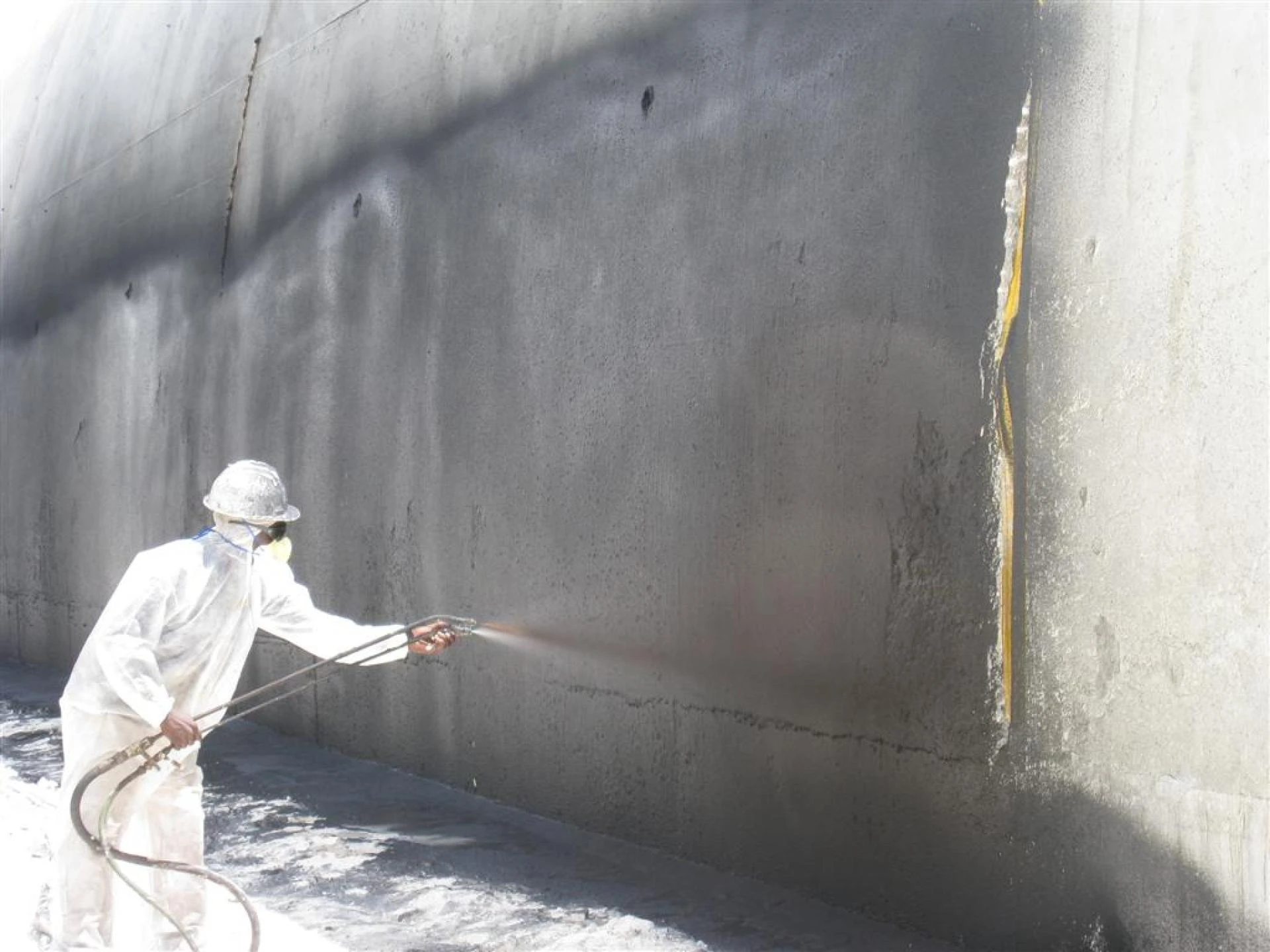

In the realm of modern construction, the quest for energy efficiency and sustainable building practices has led to the prominence of innovative insulation solutions. Among these, spray foam insulation has emerged as a versatile and highly effective method for enhancing thermal performance and addressing various construction challenges.
In this guide, we will delve into everything you need to know about spray foam insulation, from its fundamental principles to real-world applications.
Understanding Spray Foam Insulation
Spray foam insulation is a cutting-edge solution designed to create a seamless thermal barrier within a building. Comprising two primary types—open-cell and closed-cell—the material is applied as a liquid, expanding to fill cavities, gaps, and crevices once in place. This results in a durable, airtight seal that effectively prevents heat transfer, making it a popular choice for both residential and commercial applications.
Types of Spray Foam Insulation
Open-Cell Spray FoamOpen-cell spray foam is characterized by its lightweight structure and high flexibility. It is ideal for interior applications, providing excellent soundproofing capabilities. While open-cell insulation is more cost-effective, it may have limitations in certain weather conditions and moisture-prone areas.
Closed-Cell Spray FoamClosed-cell spray foam is denser and boasts superior structural strength. It is often used in exterior applications and areas prone to moisture, as it acts as a moisture barrier. Closed-cell insulation provides a higher R-value, making it more effective in extreme temperatures, and enhances the structural integrity of the building.
Comparison between Open-Cell and Closed-Cell Spray Foam
The choice between open-cell and closed-cell depends on various factors, such as the specific application, budget constraints, and climate considerations. Both types have their unique advantages, and a professional assessment is crucial to determine the most suitable option for a given project.
How Spray Foam Insulation Works
The application involves the use of specialized equipment to mix and spray the liquid foam components onto surfaces. As the foam expands, it adheres to walls, ceilings, and floors, filling gaps and forming an effective thermal barrier. This process creates a seamless and airtight envelope that significantly reduces air infiltration and heat loss, resulting in enhanced energy efficiency.
Advantages of Spray Foam Insulation
Energy Efficiency and Cost SavingsOne of the remarkable benefits of spray foam insulation is energy efficiency. By forming an airtight seal, it minimizes heat loss and air infiltration, leading to substantial cost savings on heating and cooling bills.
Enhanced Structural IntegrityClosed-cell spray foam, in particular, contributes to the structural stability of buildings. It strengthens walls and roofs, improving overall durability and resistance to external forces.
Moisture Resistance and Mold PreventionThe impermeable nature of closed-cell spray foam acts as a moisture barrier, preventing water infiltration. This characteristic not only protects the building structure but also inhibits the growth of mold and mildew, contributing to healthier indoor air quality.
Improved Indoor Air QualitySpray foam insulation's airtight seal not only keeps conditioned air inside but also prevents the entry of outdoor pollutants and allergens. It results in a healthier and more comfortable indoor environment for occupants.
Considerations and Precautions
While spray foam insulation offers various benefits, it's essential to acknowledge considerations and take necessary precautions during installation. Professional installation is crucial to ensuring proper ventilation, addressing safety concerns, and optimizing the effectiveness of the insulation.
Cost of Spray Foam Insulation
The cost of Spray foam insulation in East Gwillimbury varies based on factors such as the type of foam, the size of the project, and the geographical location. While the initial investment may be higher than traditional insulation methods, the long-term savings in energy costs often outweigh the upfront expenses.
Maintenance and Lifespan
Maintenance is key to maximizing the lifespan of spray foam insulation. Regular inspections, prompt repairs, and professional assessments can contribute to its longevity and sustained performance.
Applications Beyond Insulation
Spray foam insulation's versatility extends beyond its primary role in thermal insulation. It is increasingly used for soundproofing purposes, creating quieter and more comfortable living and working spaces. Additionally, its innovative applications continue to evolve, contributing to advancements in construction technology.
The Bottom Line:
Spray foam insulation stands as a revolutionary solution for achieving superior energy efficiency, structural integrity, and indoor comfort in buildings.
For those considering insulation solutions, consulting with experienced professionals like Toronto Spray Foam Kings is paramount. Whether upgrading an existing structure or embarking on a new construction project, understanding the unique advantages of spray foam insulation and making informed decisions can lead to lasting benefits.



























Sign in to leave a comment.