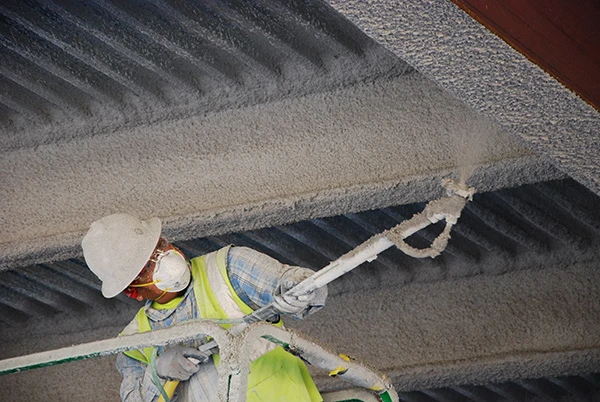

Cementitious waterproofing coatings, renowned for their ability to provide durable protection against moisture intrusion, are formulated with a specific composition designed to withstand water penetration while maintaining structural integrity. Understanding the material properties and composition of these coatings unveils the science behind their waterproofing capabilities. If you are looking for cementitious waterproofing coating in Barrie or anywhere else, read this guest blog to elevate your understanding.
Composition of Cementitious Waterproofing Coatings
Cementitious waterproofing coating in Barrie or anywhere includes the following materials-
Cementitious Materials:At the core of these coatings lies cement, typically Portland cement, acting as the primary binding agent. It provides strength and adhesion, forming the base of the coating. Polymer Additives:
Polymer additives, such as acrylics or latex, are incorporated to enhance the coating's flexibility, adhesion, and resistance to cracking. These polymers improve the overall durability of the coating, especially under varying environmental conditions. Fine Aggregates and Fillers:
Fine aggregates, like silica sand or fine quartz, along with fillers such as limestone, are included to modify the texture and improve the coating's workability. These materials also contribute to the coating's resistance against abrasion and improve its application properties. Water-Repellent Agents:
To enhance the waterproofing properties, hydrophobic agents or water-repellent admixtures are integrated. These agents form a barrier against water penetration without compromising the coating's breathability.
Material Properties and Functions
Water Resistance and Durability:Cementitious coatings boast exceptional water resistance, effectively preventing water from penetrating the applied surface. The combination of cement and polymers creates a barrier, safeguarding against moisture ingress. Adhesion and Bonding:
Their excellent bonding properties ensure strong adhesion to substrates like concrete, masonry, or even metal surfaces. This strong bond creates a seamless protective layer that adheres firmly to the substrate, reducing the risk of delamination or detachment. Flexibility and Crack Resistance:
The incorporation of polymer additives enhances the coating's flexibility, mitigating cracking caused by thermal expansion, shrinkage, or structural movement. This flexibility helps maintain the coating's integrity over time, even in dynamic environments. Breathability and Vapor Transmission:
While offering robust water resistance, these coatings maintain a degree of breathability. This breathability allows trapped moisture within the substrate to escape, preventing the buildup of moisture that could otherwise lead to structural damage or mold growth. Abrasion and Chemical Resistance:
The addition of fine aggregates and fillers increases the coating's resistance to abrasion, making it suitable for surfaces subject to foot traffic or mechanical wear. Moreover, these coatings exhibit resistance to various chemicals, ensuring protection against corrosion or deterioration.
Scientific Principles at Work
The effectiveness of cementitious waterproofing coatings is grounded in scientific principles governing materials engineering and chemistry:
Hydration and Curing:Upon application, the cementitious material undergoes a process of hydration, where water activates the cement particles, initiating a chemical reaction that forms a crystalline structure. This process, known as curing, strengthens the coating and enhances its waterproofing capabilities. Polymerization and Molecular Structure:
The addition of polymers modifies the molecular structure of the coating, introducing cross-linkages that increase its flexibility and durability. These polymers interact with the cement matrix, creating a composite material with improved performance properties. Capillary Action and Surface Tension:
The combination of cement and hydrophobic agents works against capillary action, inhibiting water absorption through surface tension alteration. This alteration prevents water from passing through the coating's microstructure, contributing to its waterproofing efficacy.
Concluding thoughts
Cementitious waterproofing coatings are meticulously formulated to leverage the synergies between cement, polymers, aggregates, and additives. Their composition and material properties form a robust defense against water ingress, promoting durability, adhesion, flexibility, and breathability. Understanding the science behind these coatings unveils the sophisticated engineering and chemistry involved, highlighting their pivotal role in protecting structures from moisture-related damage and ensuring longevity in building materials and construction practices.
Contacting a quality provider for Cementitious waterproofing coating in Barrie or anywhere is paramount to safeguarding your structures against moisture-related damage effectively. A reliable provider brings expertise in tailored solutions, utilizing high-grade materials and precise application techniques specific to Barrie's climate and building requirements. Their experience ensures meticulous attention to detail, offering durable and resilient coatings that create a robust barrier against water infiltration. Choosing a reputable provider guarantees not only effective waterproofing but also peace of mind regarding the longevity and structural integrity of your buildings in Barrie.










Sign in to leave a comment.