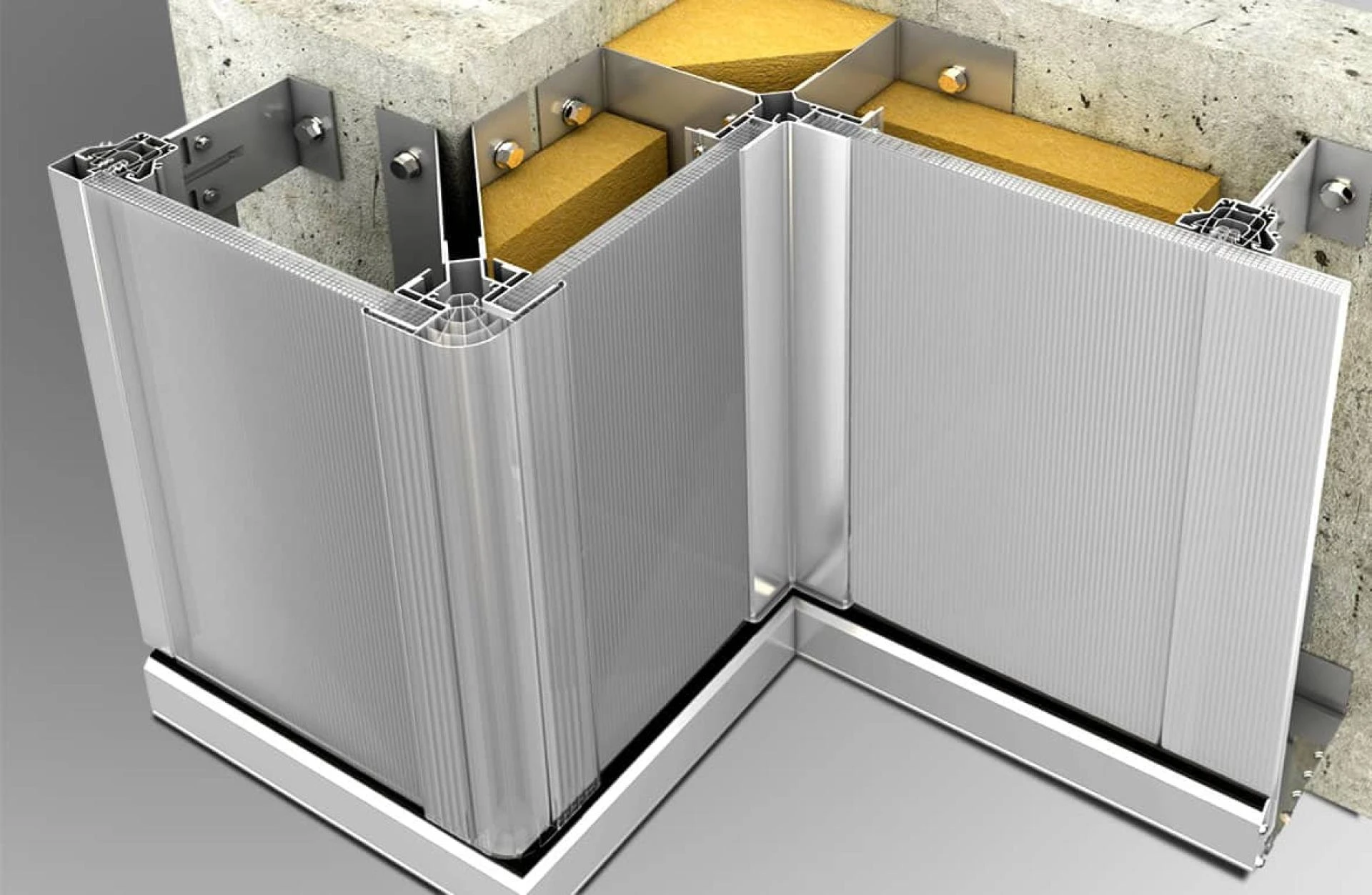

Innovations in construction materials have paved the way for remarkable advancements in modern architecture. Among these, polycarbonate emerges as a high-performing thermoplastic, revolutionising building and construction products. From windows and skylights to wall panels and roof domes, polycarbonate's exceptional qualities have earned it a prominent place in architectural design. This article delves into the science behind polycarbonate cladding, exploring its remarkable attributes and the transformative impact it has on building structures.
The Versatility of Polycarbonate
Polycarbonate, renowned for its lightweight and durable nature, exhibits exceptional optical clarity, high-impact resistance, and remarkable heat resistance. These characteristics render it an invaluable material for a wide array of architectural applications. Whether used as windows, skylights, or exterior elements for LED lighting, polycarbonate's versatility knows no bounds.
Enhancing Natural Lighting with Polycarbonate Panels
In the realm of architectural design, harnessing natural light is a crucial consideration. Polycarbonate cladding panels and sheets play a pivotal role in this endeavour. These panels not only facilitate the ingress of natural light but can also be tinted to reduce interior glare and cooling costs. By replacing traditional glass with polycarbonate, architects can achieve a harmonious balance between aesthetic appeal and energy efficiency.
Efficiency and Sustainability in Temperature Control
The choice of glazing material significantly impacts a building's temperature regulation. Solar-controlled IR multi-wall polycarbonate sheets, available in various gauges, offer an effective solution. By reducing interior heat buildup, they lead to substantial energy savings in climate-controlled environments. This sustainable approach to temperature control underscores the ecological benefits of employing polycarbonate cladding systems.
Strength in Structure: Polycarbonate Cladding Systems
Polycarbonate cladding systems are engineered to meet diverse structural requirements. With a wide range of thicknesses, strengths, and configurations, these systems provide architects and builders with unprecedented flexibility. This adaptability empowers them to design and construct structures that stand the test of time, ensuring both form and function are seamlessly integrated.
Translucence in LED Lighting: A Technological Marvel
The marriage of translucent polycarbonate cladding with LED lighting represents a triumph in modern architecture. This union brings forth a host of benefits, including heat resistance, transparency, and high-impact resistance. Moreover, its low flammability and heightened energy efficiency make it an optimal choice for architectural designs that incorporate LED lighting elements.
Polycarbonate Cladding: A Fire-Resistant Shield
Safety is paramount in architectural design, particularly concerning fire protection. Polycarbonate cladding panels exhibit excellent fire resistance, providing an added layer of security to building structures. This attribute not only enhances occupant safety but also reinforces the durability and longevity of the architectural elements.
The Pinnacle of Architectural Ingenuity: Polycarbonate Cladding in Australia
Across the architectural landscape of Australia, polycarbonate cladding has emerged as a hallmark of innovation and sustainability. Its widespread adoption in building projects across the continent is a testament to its efficacy and reliability. Architects and builders alike turn to polycarbonate cladding for its transformative impact on the architectural canvas.
Conclusion: A Bold Leap into the Future of Architecture
In conclusion, polycarbonate cladding stands as a testament to the marriage of science and architectural ingenuity. Its unique properties, ranging from strength and durability to insulation and fire resistance, elevate it to a league of its own. As architects continue to push the boundaries of design, polycarbonate cladding remains an invaluable tool, shaping the future of modern architecture. Embracing this extraordinary material is not just a choice; it's a commitment to sustainable, efficient, and enduring architectural excellence.
If you are looking for a polycarbonate cladding systems supplier in Australia, you may also get in touch with Danpal with the following details below:
Danpal Australia - Polycarbonate Architecture
Phone: 02 9475 2000
Email: [email protected]
Website: https://danpal.com.au/
Address: Unit 11, 4-6 Junction Street Auburn NSW 2144
Hours: Mon-Fri 8:30 AM - 5:00 PM









Sign in to leave a comment.